Repairing a Broken Tooth: Will it Hurt?
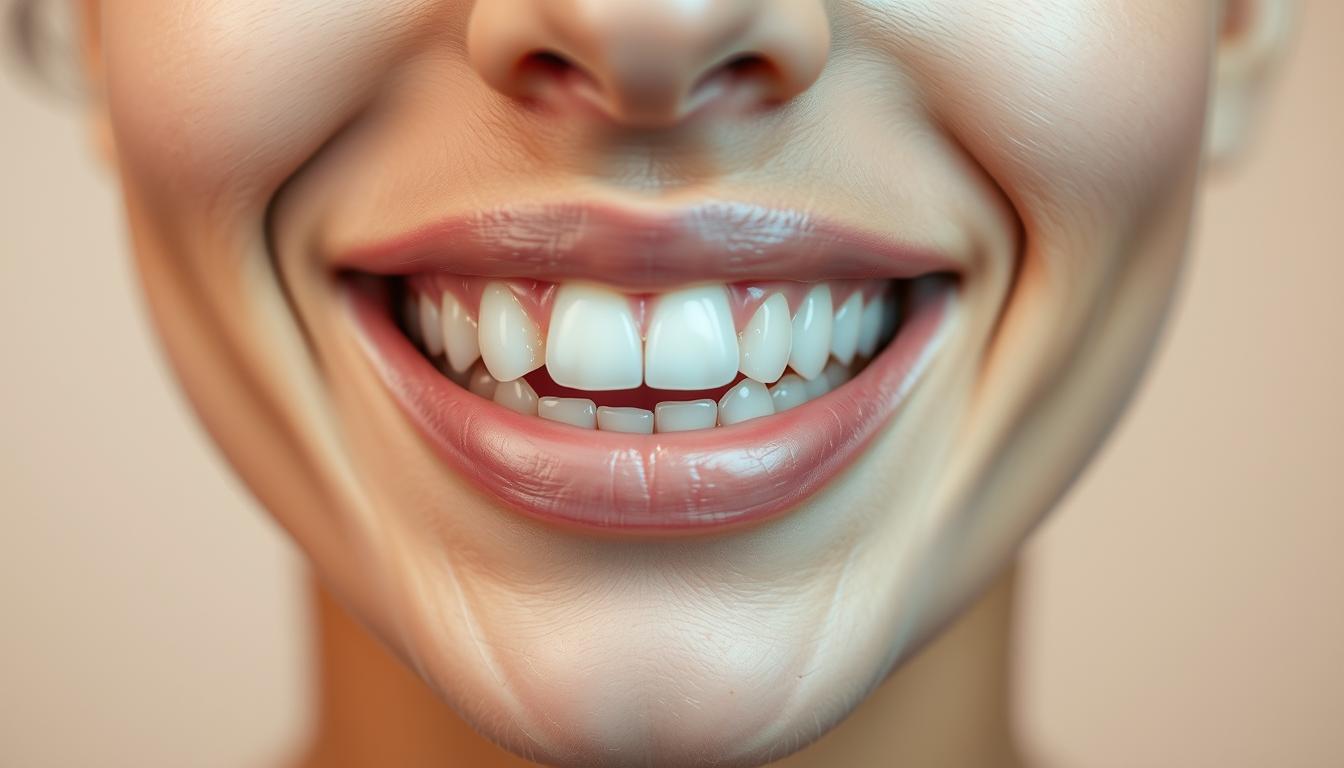
Experts say tooth enamel is stronger than many metals. Yet, millions face broken teeth each year. This often happens when intense pressure or hidden cavities stress the tooth.
Many wonder, “Will it hurt to repair a broken tooth?” The good news is that modern dentistry has found ways to keep pain low. They make sure the outcomes are successful.
Quick action is key because fractures can deepen, leading to more serious problems. Dentists use advanced materials and targeted anesthesia to keep you comfortable. Restoring a damaged tooth often feels less unsettling once you learn how these methods work.
It starts with understanding the steps involved. Then, effective pain management helps put your mind at ease.
Key Takeaways
- Acting fast can prevent further complications.
- Enamel is tough but can break under stress.
- Modern solutions control discomfort during repair.
- Timely treatment reduces the risk of infection.
- Advanced anesthesia methods keep pain levels low.
Understanding Broken Teeth
Damaged enamel or deeper fractures can really disrupt your day and cause a lot of pain. Accidents and grinding can weaken a tooth’s structure. Getting it checked right away can help avoid more problems and ease your worries about pain.
Common Causes of Broken Teeth
These injuries might come from:
- Hard impacts during contact sports
- Falls that strike the jaw or mouth area
- Unresolved enamel damage from severe grinding
Weak spots can get even weaker when you apply a lot of pressure.
Types of Broken Teeth
Some fractures just chip the surface, causing rough edges that can irritate your soft tissues. Others go deeper and expose the pulp, causing sharp pain or sensitivity to temperature. The pain level depends on how deep the damage is, which is why getting a correct diagnosis and quick treatment is so important.
The Importance of Timely Repair
Cracked or fractured teeth need quick attention. They affect both how well you can eat and how you look. Early action can stop bigger problems because bacteria can get in.
For urgent help, check out this chipped tooth guide.
Consequences of Ignoring a Broken Tooth
Not fixing a broken tooth quickly can lead to serious infections. Pain can spread to your jaw and even become a long-term issue. Ignoring it can also cause toothache later, needing more complex treatments.
This can be costly and emotionally tough.
Benefits of Prompt Treatment
Quick dental care fixes the problem and prevents more damage. It stops bacteria from spreading. This means you heal faster and avoid long-term pain.
Getting help right away also keeps your mouth healthy and saves money on repairs.
Pain Levels in Dental Procedures
Many people wonder about the pain they might feel during dental treatments. Today’s dental methods aim to lessen any discomfort. The American Dental Association says sedation can help those who need more pain relief.

Managing pain during dental fillings is important. Your oral health and how much pain you can handle affect your experience. Fear can make even small pains feel worse.
Factors That Influence Pain Perception
- Individual tolerance levels
- Pre-existing inflammation
- Emotional well-being
Some choose sedation to calm their nerves. This helps keep them comfortable during the treatment. Doing restorative work without stress makes it smoother.
Comparing Pain Levels of Different Treatments
Short fillings might cause a bit of pain, but it’s short. Crowns might cause more discomfort. Root canals are more intense but are managed with care.
| Procedure | Potential Discomfort Level |
|---|---|
| Filling | Mild and short-lived |
| Crown | Moderate |
| Root Canal | Higher but controlled |
Types of Dental Repairs
Many restorative procedures fix damage and manage tooth sensitivity. Each method tackles different problems while keeping healthy parts intact. We aim to pick the best approach for long-term oral health and comfort.
Patients looking for reliable treatments have many options. A useful resource is this broken tooth repair guide. It explains modern techniques.
Fillings: Pros and Cons
Composite or amalgam fillings fix small cracks and protect the inside of the tooth. The good news is they’re quick to place and don’t remove much tooth. The bad news is they might change the tooth’s color and cause a bit of pain after.
This fast fix is great for small damage and keeps costs down.
Crowns: When Are They Necessary?
Some teeth need full coverage to prevent more damage. A crown covers the whole visible part of the tooth to strengthen weak enamel. Crowns can be made from porcelain or metal, lasting long and looking natural.
This option usually involves lab work or digital milling for a perfect fit.
Root Canals: Understanding the Process
Severe infections harm the tooth pulp, causing pain and problems. A root canal removes the infected tissue and seals the canal to stop reinfection. This treatment tackles serious issues and reduces tooth sensitivity.
It’s effective when done quickly to stop bacterial spread.
Preparation for Dental Repair
Many patients feel unsure when planning dental treatment. Learning about each step helps. This includes meeting the dentist and checking hidden tooth structures. Our aim is to lessen discomfort during tooth repair by explaining each step. For more on urgent dental needs, check out this useful resource.
“Reaching optimal outcomes often begins with thorough assessments and open communication.”
Some people talk about sedation options during planning. Others plan for follow-up visits for ongoing support. These steps help make repair sessions smoother and reduce anxiety.
Initial Consultation Expectations
The dentist reviews your medical history and listens to your concerns. A brief talk covers possible treatments, from mild sedation to local anesthesia. Patients often ask about costs and treatment time to feel well-informed.
Diagnostic Tools Used
Doctors use technology to accurately see broken areas. This method reduces discomfort and ensures the right treatment, like fillings or crowns.
| Diagnostic Tool | Purpose |
|---|---|
| X-rays | Pinpoint hidden cracks and assess nerve health |
| Digital Imaging | Generate precise measurements for custom restorations |
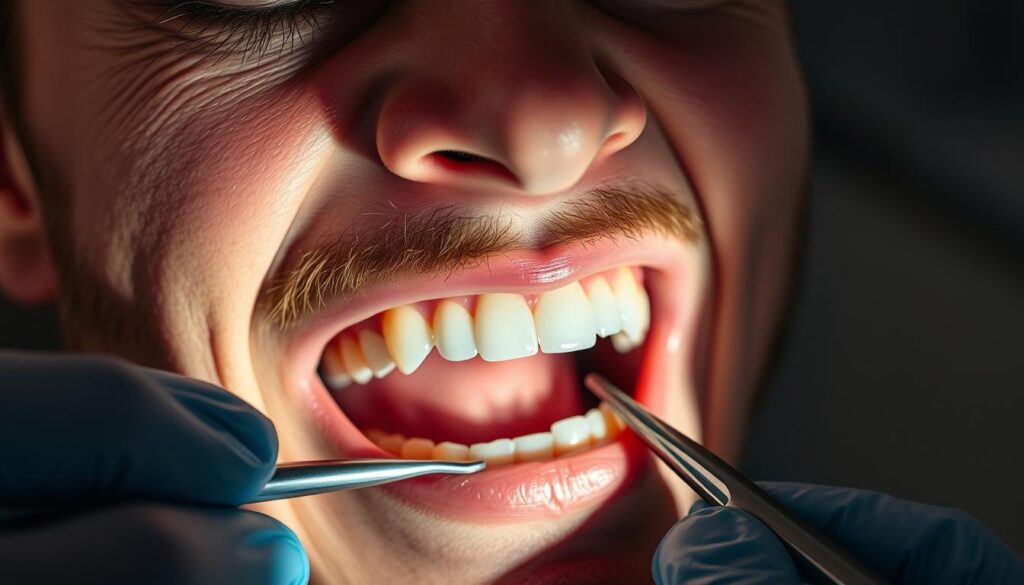
Anesthesia and Pain Management
Choosing the right anesthesia can make complex procedures less painful. The choice depends on the procedure’s length, the patient’s health, and how well they handle dental care. Doctors use safe methods to prevent a post-treatment toothache, which can happen when the anesthesia wears off.
Many patients feel better knowing that modern medicines and sedation help them relax. They often ask about pain relief for any lingering soreness or toothache, which is common for those who are very anxious about dental visits.
Types of Anesthesia Used
Local injections numb the tooth area but don’t make you sleepy. Nitrous oxide, or laughing gas, relaxes you without making you unconscious. Oral sedation is for those who want to feel very calm but don’t need general anesthesia.
Alternatives to Traditional Anesthesia
Some places use non-invasive ways to relax. Techniques like breathing exercises or guided imagery help manage stress. These methods are based on research to reduce pain and improve patient results.
| Anesthesia Method | Primary Benefit | Possible Side Effects |
|---|---|---|
| Local Injection | Numbs the treatment area | Slight swelling or tingling |
| Nitrous Oxide | Induces relaxation while conscious | Nausea in rare cases |
| Oral Sedation | Deeper calm for anxious patients | Drowsiness during recovery |
What to Expect During the Procedure
This stage aims to remove uncertainty about the techniques used to restore a broken tooth. Each appointment focuses on patient comfort while applying dental procedure pain control strategies. Understanding the process helps foster realistic expectations and manage stress levels.
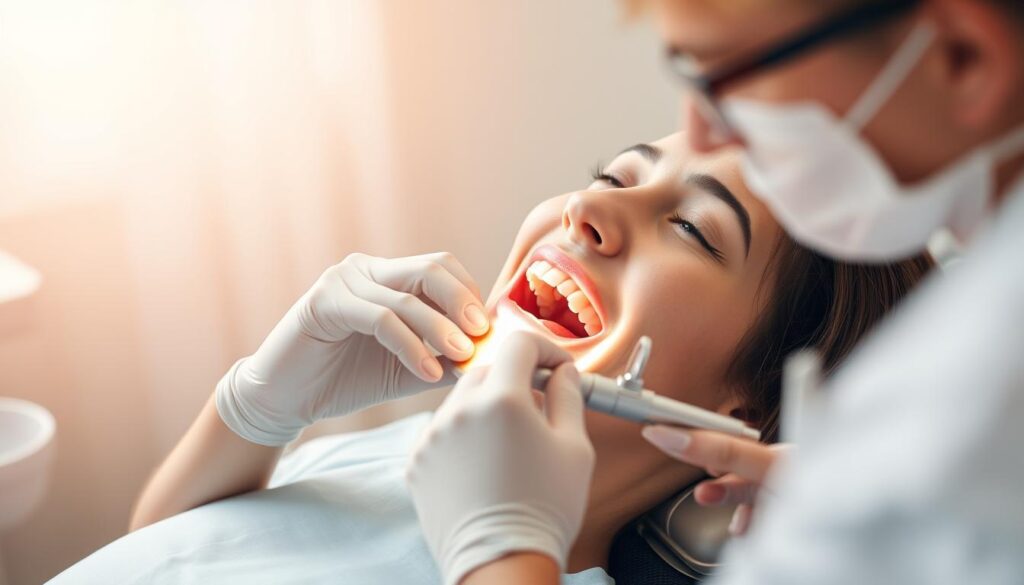
Step-by-Step Overview of the Repair Process
According to the American Dental Association, a well-structured approach promotes both safety and reassurance:
- Tooth Preparation: The damaged area is cleaned and shaped.
- Placement of Filling or Crown: Materials are bonded to the tooth surface.
- Polishing and Adjustments: Surfaces are smoothed to ensure a comfortable bite.
Throughout this protocol, experts monitor every detail to maintain precise dental procedure pain control, reducing discomfort and encouraging a swift recovery.
Duration of Treatment
Treatment time depends on the extent of damage and may range from a single visit to multiple appointments. Fillings often take less than an hour, while complex restorations might span several sessions. More insights on long-term tooth healing can be found by visiting this resource. Clear timelines set realistic goals and help patients plan follow-up care with confidence.
Aftercare Following Tooth Repair
Many patients are curious about how their teeth will feel after the anesthetic fades. The type of tooth repair anesthesia options used can affect how sensitive they are. Dentists give clear advice on managing pain and steps to aid healing.
Simple actions at home can help your teeth heal faster and reduce discomfort.
Managing Discomfort Post-Procedure
Some soreness or mild pain might last for a day or two. Over-the-counter pain relievers can help quickly. Taking short breaks to relax your jaw can also help.
Rinsing with lukewarm saltwater can be soothing. If the pain doesn’t go away, a follow-up visit might be needed to check on it.
Eating Habits to Follow
Stick to soft foods for a while to be gentle on your teeth. Avoid hard candies or very cold foods for a bit. Eating balanced meals at room temperature helps your teeth recover.
Keeping up with good oral hygiene is also key to protecting your teeth.
Complications and Risks
Fixing a damaged tooth can come with surprises. Knowing about possible problems helps keep your mouth healthy. This knowledge is key in managing pain and spotting issues early.
Potential Complications After Repair
Some restorations might not stay in place or show hidden cracks. These issues often come from how well you care for your teeth and follow dentist advice. Eating soft foods and taking meds as directed can help during recovery.
Addressing Infection Risks
Act fast if you notice swelling, warmth, or pain that won’t go away. Learn about breaking a tooth and how it can lead to hidden problems. Dentists might give antibiotics or recommend mouthwashes to prevent bigger issues. Regular dental visits can help ease worries about pain after dental work.
| Issue | Preventive Step |
|---|---|
| Nerve Sensitivity | Use desensitizing toothpaste and limit extreme temperatures |
| Gum Irritation | Rinse with antiseptic solutions and maintain routine cleanings |
| Recurrent Infection | Follow prescribed antibiotic course and return for quick evaluations |
Psychological Aspects of Dental Work
Fear of drills and strange sounds can make you anxious before dental visits. Many people put off dental care because of this fear. Sedation dentistry and clear communication can help ease these worries and keep your mouth healthy.
Overcoming Dental Anxiety
First, understand what makes you nervous. Try slow breathing and short breaks during your visit. Cognitive behavioral therapy can also help change your thoughts. Talking openly with your dentist can lower your fears and make you feel more at ease.
“Research from the American Dental Association suggests that patient confidence improves when the care team addresses psychological aspects directly.”
Tips for Feeling Comfortable During Treatment
Here are some ways to make your visit more relaxing:
- Listen to gentle music or guided relaxation
- Discuss sedation dentistry if stress becomes overwhelming
- Schedule shorter visits to minimize extended discomfort
- Ask about calming amenities like soft blankets or dimmed lighting
Cost Considerations for Dental Repairs
Planning your budget is key when it comes to dental care. People often think about costs when choosing between simple fillings or more complex options like crowns and veneers. Knowing the average prices can help avoid surprises and make better choices.
Average Costs for Various Procedures
Fillings usually cost a few hundred dollars. Crowns, on the other hand, can be much pricier. Root canals can even cost over a thousand dollars. Prices vary based on the materials used, where the tooth is, and the dentist’s fees. Breaking down costs helps both dentists and patients plan how to pay.
Here’s a quick look at what you might expect to pay:
| Procedure | Typical Range (USD) |
|---|---|
| Single-Surface Filling | $100–$300 |
| Crown | $800–$1,500 |
| Root Canal | $700–$1,200 |
Insurance Coverage and Options
Insurance from companies like Delta Dental or Cigna can help with costs. Co-pays and deductibles differ, so it’s important to check your coverage first. Some people use dental savings plans or flexible spending accounts to help pay. Looking into all your options can make dental care less stressful and more affordable.
Finding the Right Dentist
Choosing a good dentist is key for fixing a broken tooth. You need to know about their experience, ask important questions, and check if they belong to professional groups. A dentist with modern tools and a caring attitude makes you feel safe and confident about your teeth’s future.
Questions to Ask Your Dentist
Before you decide, it’s good to get straight answers. Here are some questions to ask:
- How often do you handle complex repairs?
- Are sedation or special pain control options available?
- Which payment or financing plans are offered?
Importance of Reviews and Recommendations
Reviews online and advice from friends can help a lot. They tell you about a dentist’s skills and how they treat patients. Being part of groups like the American Dental Association shows they follow high standards. Hearing from people you trust makes you more sure about your choice.
Long-Term Care for Repaired Teeth
Keeping your teeth in good shape after repairs takes effort and smart choices. Simple daily actions can protect your teeth from harm. This helps your restorations last longer.
Maintaining Good Habits
Good hygiene is key for teeth that have been fixed. Brushing with a soft brush and flossing daily can stop plaque. Using fluoride mouthwash can also strengthen your teeth.
Planning Regular Visits
Regular dental check-ups are important. They catch problems early, like tiny cracks or leaks. Dental teams use special tools to check your teeth and clean them well.
| Home Care Tips | Professional Oversight |
|---|---|
| Brush twice daily with gentle strokes | Routine imaging to detect cracks |
| Floss daily for plaque-free spaces | Cleanings for deeper removal of debris |
| Use fluoride mouth rinses as advised | Assess restoration edges for micro-leaks |
Personal Experiences and Testimonials
Real stories can turn fears into hope. Mayo Clinic case studies show low pain and quick recovery. Many say these new methods are less scary than they thought.
What Patients Say About Their Pain Levels
People share stories of mild twinges, not sharp pains. Sedation helps keep discomfort low. Some say they felt only a little, finding the whole thing less stressful than they thought.
“Before the session, I expected intense pain. The outcome was surprisingly mild, and I went back to work right away.”
Positive Outcomes of Dental Repairs
Doctors agree on the benefits:
- Faster adjustments to chewing and speaking
- Heightened confidence in smiling or conversing
- Greater willingness to keep up with routine oral care
Personal stories show great results. From less swelling to quickly getting back to daily life, these stories encourage safe, effective treatments.
Conclusion: Moving Forward with Confidence
Many people wonder if fixing a broken tooth hurts. Dental studies show that local anesthesia and advanced sedation make it more comfortable. This means most dental work is not painful.
Acting quickly is key. It stops small problems from becoming big ones. This is why getting help right away is important.
Final Thoughts on Pain and Repair Processes
Getting help early has many benefits. It makes you feel less pain and avoids bigger problems. Each treatment is made just for you.
Some people are okay with local anesthesia. Others want deeper sedation for more comfort. This way, you and your dentist can find the best solution together.
Encouragement to Seek Treatment
Talking openly with your dentist builds trust and reduces worry. You can also learn about dental check-ups and cleanings to keep your mouth healthy. This knowledge helps you avoid needing repairs.
Being confident and asking questions is important. It leads to a strong partnership with your dentist. Together, you can keep your teeth healthy for a long time.