How Long Can I Wait to Repair a Broken Tooth?
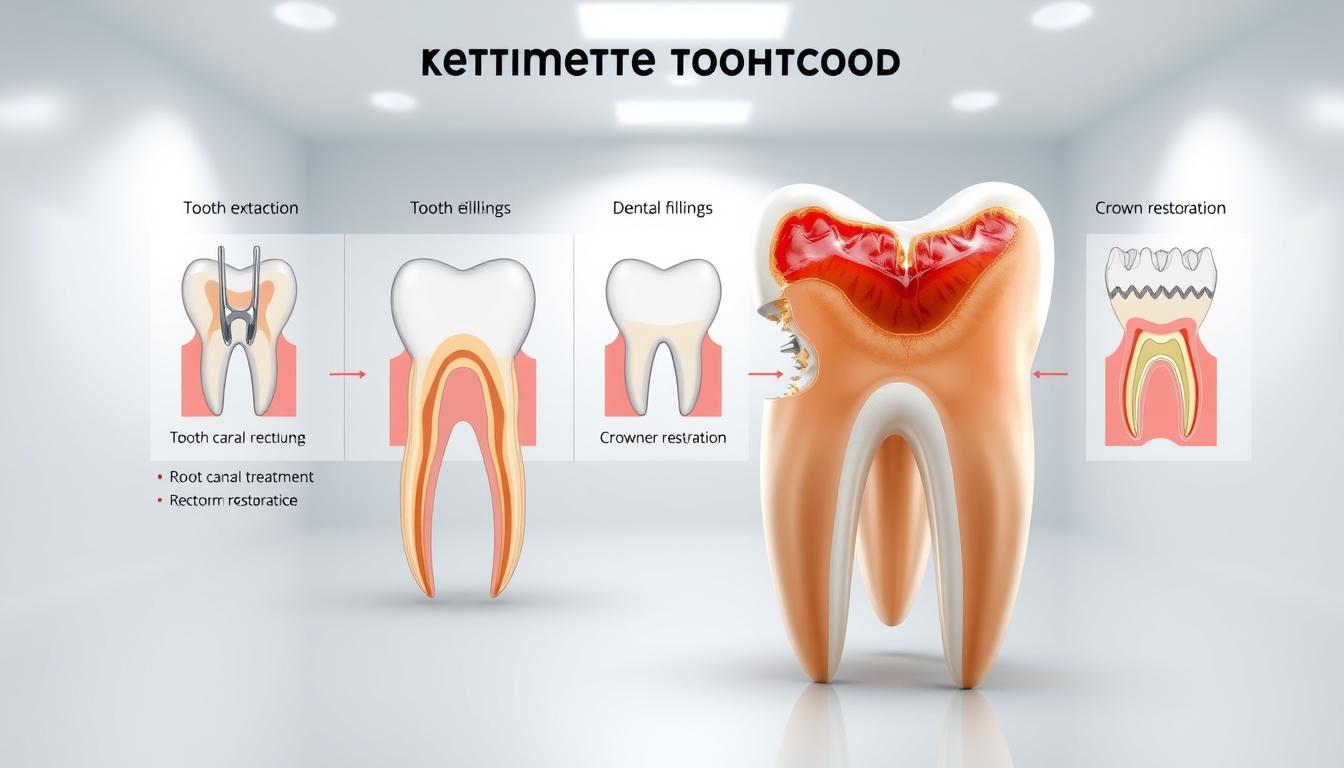
Tooth enamel is very hard, even harder than steel. But, a small hit can crack it. This makes many people ask, “How long can I wait to repair a broken tooth?” Waiting too long can let bacteria in, causing deeper infections and damage.
Seeing a dentist quickly is key to keeping your teeth working right. It also means you might avoid more serious treatments. We all want to keep our teeth healthy. Knowing the risks of waiting too long is a big step.
Key Takeaways
- Tooth enamel is extremely resilient but can break.
- Ignoring cracks can lead to decay and infection.
- Fixing it early keeps your tooth strong and safe.
- Dentists use special exams to find the best fix.
- Seeing a dentist fast saves time, money, and pain.
Understanding the Importance of Timely Dental Care
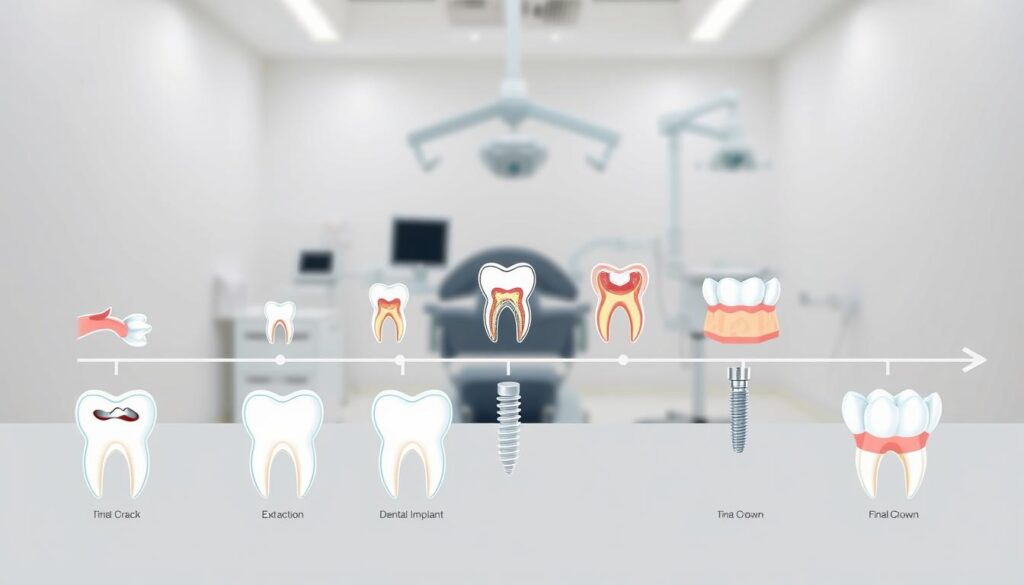
Getting to the dentist quickly helps keep your teeth strong and your mouth working right. The American Dental Association says to see a dentist early. Waiting too long can make it hard to eat and talk.
Waiting too long can make a small chip turn into a big crack. This lets bacteria in and makes your teeth sensitive. Fixing it early can save you from expensive treatments later.
The Risks of Delaying Treatment
A small chip can turn into a big crack if not fixed soon. This lets bacteria in and makes your teeth sensitive. Fixing it early can save you from expensive treatments later.
Potential Complications from a Broken Tooth
If you don’t fix a broken tooth, it can get worse. It can hurt the roots and spread infection to the gums. This makes you need to see a dentist even sooner.
Seeing a dentist quickly can make things more comfortable for you.
The Impact on Overall Oral Health
Not fixing a broken tooth can mess up your bite and hurt your gums. It can also hurt your confidence when you talk or eat. Taking care of it early keeps your mouth healthy and your confidence up.
Getting help early can lead to better results in the long run.
| Symptom | Recommended Action | Potential Outcome |
|---|---|---|
| Sensitivity | Consult a dentist within days | Prevents deepening cracks |
| Sharp Pain | Seek immediate care | Averts nerve involvement |
| Constant Ache | Obtain quick diagnosis | Reduces infection risk |
Signs You Need Immediate Attention
Severe tooth pain or damage means you need to see a dentist fast. Ignoring these signs can lead to bigger problems. Getting help early is key to saving your tooth. For more on dental emergency broken tooth, seek advice from dental experts.
Severe Pain or Discomfort
Sharp or throbbing pain means your tooth’s inner layers are hurt. This pain can lead to infections and more problems. Dentists say to get checked right away to avoid more damage.
Visible Damage or Sharp Edges
Cracks with sharp edges can hurt your mouth or trap food. Even small chips can get worse if not treated. A dentist can tell you how bad the damage is.
Presence of Infection or Swelling
Swelling in your gum or cheek means bacteria might be spreading. Signs like redness and pain are warning signs. Treating these early helps prevent more pain and keeps your mouth healthy.
Factors Influencing Repair Timing
Deciding when to fix a broken tooth depends on several things. Some might choose a quick fix for small issues. But, serious breaks need immediate help. Knowing these factors helps take action quickly and safely.
Type of Damage: Chip vs. Break
Not all tooth injuries are the same. Chips might just scratch the enamel, allowing for quick fixes like dental wax or bonding. But, a big fracture that hits the dentin or pulp is a serious risk for infection and needs fast attention.
Location of the Broken Tooth
A broken front tooth worries people because of how it looks. A molar break affects chewing. Each area has its own problems. For more info, check out this insightful blog on when to see a dentist.
Personal Health Factors
People with diabetes or weak immunity should act fast. Bacteria can spread quickly when your body can’t fight it off. Quick action helps prevent bigger issues.
- Check how bad the chip or break is.
- Think about where the tooth is and what it does.
- Look at any health issues you might have.
| Factor | Recommendation |
|---|---|
| Minor Chips | Use protective wax until a visit can be arranged. |
| Severe Breaks | Seek professional treatment to avoid bacterial growth. |
| Health Risks | Consult a dentist promptly if immunity is compromised. |
Options for Repairing a Broken Tooth
Dentists have many ways to fix broken teeth and keep your mouth healthy. They try to keep as much of your natural tooth as they can. If you wait too long, fixing a broken tooth can become much harder.
There are different treatments for different tooth problems. Some need just a little fix, while others need a lot more work. This way, your tooth can look and work like new again.
Dental Fillings
Small chips or cracks can often be fixed with fillings. A special material fills in the gap and makes the tooth strong again. It also helps prevent more damage and makes biting easier.
Crowns and Caps
For bigger problems, a crown or cap is needed. These strong covers protect the tooth from breaking more. They also help keep your tooth looking good.
Root Canal Treatments
Root canals are needed when the pulp gets infected or exposed. This treatment stops the pain and saves the tooth. Getting it done quickly is important to avoid bigger problems later.
Consequences of Waiting Too Long
Waiting too long to fix a broken tooth can lead to big problems. Bacteria can get into the tooth and make it hurt more. Is it worth the pain when you can get help right away?
Increased Pain and Infection Risk
Not fixing a break soon can make the pain worse. Bacteria can grow in the cracks, leading to serious infections. Getting help quickly helps keep your tooth safe and healthy.
Higher Treatment Costs
Ignoring a small problem can make it much bigger. This can mean more visits to the dentist and more expensive fixes. Getting help early can save you money and keep your teeth healthy. For more tips, check out this guide on what to do with a chipped.
Potential Loss of the Tooth
Not fixing a tooth can make the problem worse. If the tooth gets too damaged, it might not be able to be saved. Getting help quickly can help keep your natural tooth.
| Key Consequence | Possible Outcome | Recommended Action |
|---|---|---|
| Ongoing Discomfort | Deep Infection | Seek Prompt Evaluation |
| High Expenses | Complex Procedures | Address Breaks Early |
| Permanent Loss | Extraction | Protect Tooth Structure |
When to Schedule Your Dental Appointment
Choosing the right time to see a dentist can stop small problems from getting worse. Severe pain or serious damage means you need to go right away. Getting help quickly can help fix your tooth and reduce pain.
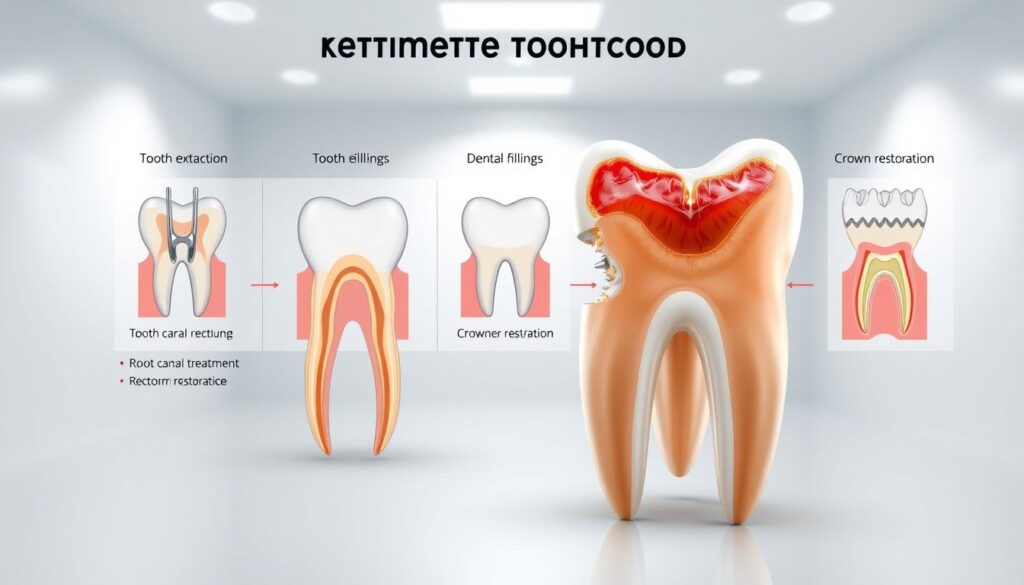
Immediate vs. Non-Urgent Repairs
Some problems need urgent care, like if a crack hurts or swells. For less urgent issues, you might wait a bit to see if it gets better. But, using special treatments can help manage pain and prevent more problems.
Ideal Timeframes for Treatment
It’s best to see a dentist within a few days of noticing damage. They can check your tooth and suggest the best fix. Learning about broken tooth repair helps you understand the process.
How to Prioritize Dental Visits
It can be hard to keep up with dental appointments. Here’s a simple way:
- Check how much pain you’re in or if your tooth looks worse
- Make an appointment as soon as you notice any issues
- Listen to any advice from your dentist
Regular dental visits help keep your mouth healthy and avoid expensive fixes later.
Managing Pain and Symptoms at Home
Discomfort from a damaged tooth can really disrupt your day. Simple home methods can help until you see a dentist. Many find that a mix of these methods offers quick relief and helps manage pain.
Over-the-Counter Pain Relief
Non-prescription options are a good start. Products like acetaminophen help with pain without the risk of bleeding for most people. Always read labels and stick to the recommended doses.
Rinsing Solutions for Oral Hygiene
Mouth rinses keep bacteria away. Warm water with salt can ease pain and keep the area clean. Swishing gently helps prevent debris buildup and lowers infection risk.
Temporary Fixes Until Your Appointment
Short-term fixes can reduce pain and prevent further damage. Covering sharp edges with dental wax or using softened gum as a shield are examples. Each method helps protect sensitive gums from more irritation.
| Temporary Fix | Main Benefit |
|---|---|
| Dental Wax | Protects inner cheeks and tongue |
| Softened Gum | Offers cushioning around the fracture |
The Role of Regular Dental Check-ups
Routine dental visits can catch hidden problems before they get worse. Dentists use special tools and exams to find issues early. This helps keep your teeth healthy for a long time and might avoid emergency dental visits.
Preventative Care for Tooth Damage
Checking your teeth’s strength is key, if you’re prone to breaks. Dentists might suggest wearing mouthguards or changing your diet to protect your teeth. Regular cleanings and fluoride treatments also help keep your enamel strong.
Importance of Early Detection
Small chips or tiny cracks can be easy to miss. But, X-rays can find problems that aren’t visible to the naked eye. This early detection helps fix issues before they get worse, saving time and money. For more information, check out this resource.
When to Consult Your Dentist
If you feel pain or sensitivity, see your dentist right away. If you have deep cracks or pain when chewing, it’s time to visit. A dentist can keep your mouth healthy and prevent emergencies.
| Check-Up Focus | Benefit |
|---|---|
| Thorough Cleaning | Removes harmful plaque and bacteria |
| Enamel Assessment | Detects cracks or weak spots early |
| Personalized Advice | Guides patients on prevention strategies |
Cost Considerations for Dental Repairs
Money often plays a big role in deciding when to fix a broken tooth. Clinics might push for quick action to save money in the long run. But, many people worry about the cost of fillings, crowns, and other treatments.
Learning about treatment costs and insurance can help. It lets people take care of their teeth without breaking the bank.
Average Costs for Different Treatments
Filling prices are usually lower. But, more complex treatments cost more. In the U.S., a small filling might be $100 to $300. Root canals or crowns can be $800 to $1,500 or more.
Some dentists give clear price estimates. This helps patients plan their budgets.
- Fillings: $100–$300 in most regions
- Crowns: $800–$1,500 depending on materials
- Root Canals: $700–$2,000 based on complexity
Insurance Coverage and Dental Plans
Insurance like Delta Dental or Cigna might cover some costs. But, each policy is different. It’s smart to check your plan before getting treatment.
Some employers offer dental plans that help pay for treatments. This can make dental care more affordable.
Financing Options Available
Many dentists work with third-party lenders for payment plans. Some even have their own financing options. This can make it easier to get the dental care you need without a big upfront cost.
Understanding Different Types of Dentists
Teeth can get damaged in ways we don’t expect. Each dentist has special skills to help our teeth stay healthy. Knowing which dentist to see makes us feel more confident about our treatment.
Dentists work hard to prevent problems from cracked or broken teeth. Understanding their roles helps us find the right solution for our pain. This way, we avoid making things worse.
General Dentists vs. Specialists
General dentists handle:
- Basic restorations, like fillings and crowns
- Routine check-ups for preventive care
- Advice on how to keep teeth clean
Specialists, on the other hand, have extra training for complex tasks. They do things like root canals or implants. They work with general dentists to give us the best care.
When to See an Oral Surgeon
Oral surgeons deal with serious breaks that affect the bone or jaw. If you have a complex fracture, they’re the ones to see. They aim to fix your teeth without making things worse.
The Importance of Expertise in Tooth Repair
Finding the right dentist is key to healing. Their education and experience guide their work. This ensures they fix your teeth carefully, reducing pain and keeping your smile natural.
The Healing Process After Repair
Dental restorations can cause some discomfort and sensitivity at first. But, your body starts to heal and strengthen the tooth. This makes the tooth stable for a long time.
What to Expect After Treatment
You might feel some swelling or find it hard to chew at first. Eating soft foods helps ease the pressure on the tooth. Warm saltwater rinses also help keep the area clean. If you need it, over-the-counter painkillers can help with the pain.
Tips for Aiding Recovery
Here are a few tips to help your tooth heal better:
- Try to avoid hot and cold drinks to lessen sensitivity.
- Use a soft-bristled toothbrush near the repaired area.
- Rinse gently with the solution your dentist gave you after meals.
Follow-Up Care and Check-Ups
Your dentist will want to see you soon after the repair. They’ll check if the tooth feels right and looks good. If not, they might need to make some adjustments. Regular check-ups are key to keeping your mouth healthy and avoiding problems.
Myths and Misconceptions About Broken Teeth
Some people think a cracked or chipped tooth is okay if it doesn’t hurt all the time. But, ignoring it can lead to bigger problems. Even a small crack can harm your teeth if not treated.
Debunking Common Misunderstandings
Many believe rinsing a broken tooth keeps it safe from infection. But, getting professional help is key. A dentist can check if you need an X-ray or a simple look.
Understanding the Risks of Home Remedies
Some home fixes can be dangerous. Using unclean items or herbal pastes can trap bacteria. Trying to fix a tooth with over-the-counter products might not fix the real problem.
Professional Care vs. DIY Treatments
Dentists know how to fix broken teeth based on how bad they are. DIY fixes might miss hidden cracks. For more info, check out ways to accidentally break a tooth.
The American Dental Association stresses the importance of quick action. This can prevent the need for tooth removal and help restore function.
Experts choose the right materials and bond them securely. Regular check-ups are also important to ensure the fix lasts.
The Psychological Impact of a Broken Tooth
A broken tooth can cause more than just pain. People might feel shy about talking or laughing in public. This feeling can make them slow down in social situations and feel less comfortable in many places.
Dealing with Confidence Issues
Some people stop smiling when they have a broken tooth. This can make them feel less confident about how they look. The American Dental Association says it’s important to get help quickly to avoid bad habits, like covering your mouth when you talk.
How Oral Health Affects Mental Wellbeing
Good dental health is linked to feeling good about oneself. Pain can cause stress that affects our daily lives. Experts recommend talking openly about dental fixes to help patients feel better and more at ease.
Tips for Coping with Aesthetic Concerns
If you’re worried about how you look, there are things you can do. Here are a few:
- Consulting a qualified dentist for a plan that fits you
- Asking for materials that match your tooth color
- Talking about cosmetic changes that suit your needs
These steps can help you feel more confident and improve your emotional health.
Parents’ Guide to Children’s Dental Emergencies
Young patients might get a broken tooth from accidents or sports. They might cry or have trouble chewing. Quick action is key to avoid bigger problems and keep their smiles safe.
Rinse their mouth gently and stop any bleeding to help them heal. A cold compress can reduce swelling. Staying calm helps the child feel better.
Recognizing Signs of Tooth Damage
Look for chips, cracks, or tooth sensitivity. Some kids might not want to eat or brush their teeth. Bleeding near the gums is a red flag too.
What Parents Should Do First
Rinse with warm water and save any tooth pieces. Have your dentist’s number ready. The American Dental Association says to see a dentist quickly to avoid more issues.
When to Seek Professional Help
Don’t wait if your child’s tooth is knocked out or they’re in a lot of pain. Seeing a dentist fast can save their tooth. Taking care of their teeth helps them feel good about their smile.
Long-Term Oral Health Maintenance
Keeping teeth strong needs ongoing effort. This effort helps prevent cracked enamel and broken teeth. It’s about finding balance, being mindful of daily habits, and fixing small problems quickly.
Best Practices for Preventing Future Breaks
Wearing down teeth can be prevented. Dentists suggest custom mouthguards for those who grind their teeth or play contact sports. These mouthguards protect enamel and reduce stress on sensitive areas.
Regular dental visits help spot cracks or loose fillings early.
Diet and Dental Health
What you eat affects your teeth. Foods like sticky candy or soda can weaken teeth and increase the risk of breaks. Eating balanced meals with veggies, lean proteins, and less sugary snacks helps keep teeth strong.
Regular Hygiene Habits
Brushing and flossing regularly fight off small cracks. Using fluoride toothpaste strengthens enamel and fights cavities. Sticking to a routine helps catch problems early and keeps your smile healthy for years.
Conclusion: Don’t Delay Dental Repair
Getting a broken tooth fixed quickly can prevent a lot of pain and expensive treatments. Early treatment helps keep the tooth strong and avoids infections. It also keeps you feeling confident when you smile.
Summary of Key Points
Fixing a broken tooth right away is important for healing. Solutions like fillings or crowns work best when done early. This approach can save you money and make the process safer.
Encouragement for Proactive Care
Regular dental visits help catch problems early. Dentists can guide you on the best repair options and share tips for keeping your teeth safe. Taking care of your teeth now can make future dental visits less stressful.
Final Thoughts on Dental Health Management
Healthy teeth are essential for your overall well-being. By focusing on prevention and seeking professional help, you can maintain good oral health. With regular check-ups and timely care, you can keep your smile healthy and worry-free.