Is a ‘Dead’ Tooth After a Root Canal Okay?
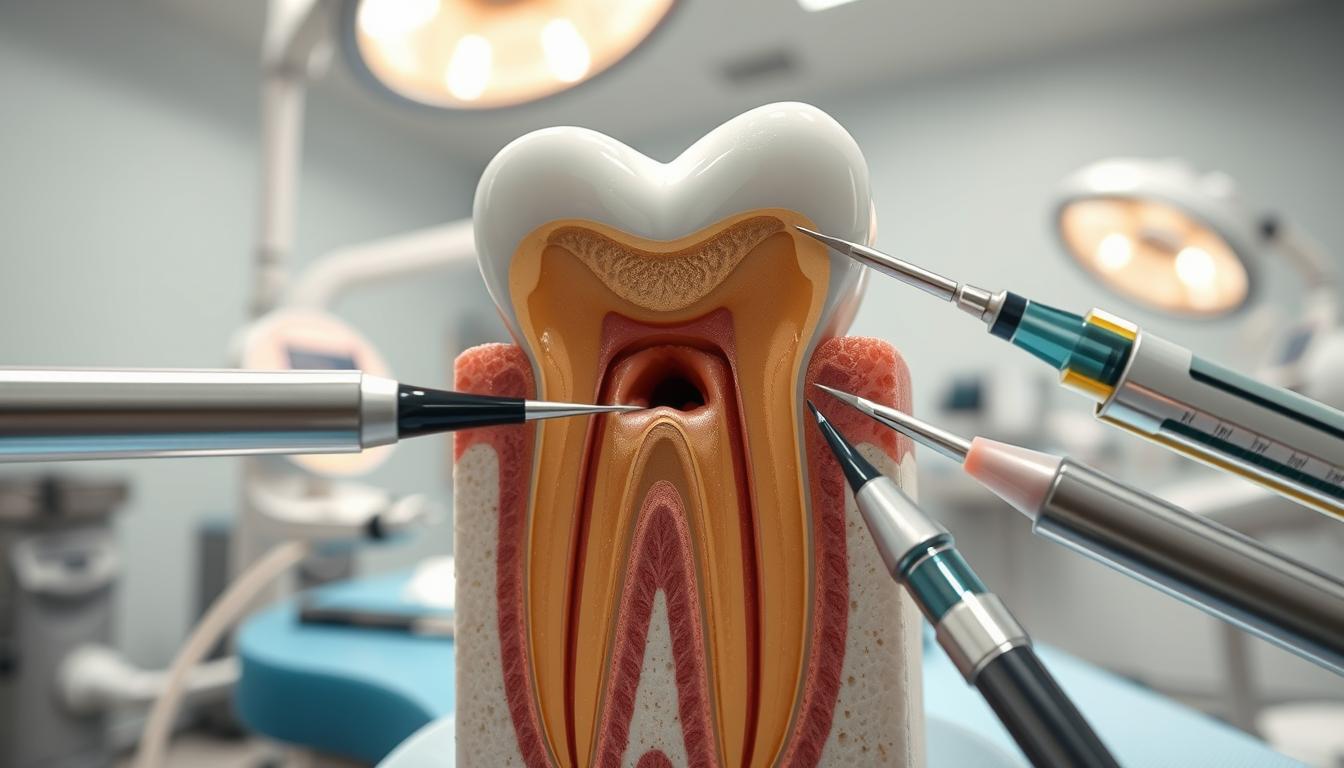
In the United States, about 15 million root canals are done each year. Many people ask if a tooth treated this way is really “dead” or if it has hidden dangers.
Experts take out the infected pulp to get rid of bacteria and protect the tooth. Even without a nerve, the tooth can keep working. It gets nutrients from the tissues around it.
This treatment stops infection and lets the tooth stay in place. It might not feel the same, but it can help with chewing and keep your mouth healthy.
Key Takeaways
- A root canal involves removing infected pulp and sealing the tooth.
- A tooth can survive without a nerve and can bite and chew every day.
- Nutrients come from nearby tissues, keeping the tooth strong.
- Getting treatment quickly lowers the chance of bigger problems.
- Regular check-ups make sure the treated tooth stays healthy and stable.
Understanding Root Canals and Tooth Vitality
Pulp health is key to a tooth’s function. It brings oxygen and nutrients, keeping the tooth strong. If the pulp gets damaged or infected, it needs special care to avoid a dead tooth.
What Is a Root Canal Procedure?
This treatment cleans out the inflamed tissue inside the tooth. An endodontic specialist uses special tools to clean and shape the canal. A filling is then placed to keep bacteria out. This critical step helps keep the natural tooth, protecting your smile and oral health.
“Preserving a tooth’s internal structure through root canal therapy supports long-term stability. A sound foundation helps individuals maintain comfortable chewing and confident smiles.”
Why Do Teeth Become ‘Dead’?
Trauma or decay can cut off the blood supply. This stops nerve signals and leaves non-vital tissue. For structural issues, look into broken tooth repair to strengthen the enamel. Catching pulp damage early can prevent a dead tooth and stop infections.
- Maintain regular check-ups for early detection.
- Protect teeth from impact during sports.
- Seek prompt care when pain or swelling arises.
The Concept of ‘Dead’ Teeth
Many wonder about a tooth’s purpose after its nerve is gone. The outer layer stays, allowing the tooth to remain even without some sensations. A root canal can keep it safe by cleaning and sealing inside.
Modern endodontics aim to keep teeth stable. This shows a bigger goal: to keep teeth working and looking good through science and skill.
What Does It Mean for a Tooth to Be ‘Dead’?
A tooth is called “dead” when it loses its nerve. This might sound scary, but it doesn’t always mean it’s badly damaged. Without blood flow, the tooth can’t feel some things.
Is a ‘Dead’ Tooth Stil Functional?
A tooth without a nerve can chew food if it’s safe from bacteria. After care, a “dead” tooth keeps its shape and helps teeth stay in place. The goal of a root canal is to save as much of the tooth as possible, helping it keep working.
| Aspect | Vital Tooth | Non-Vital Tooth |
|---|---|---|
| Blood Supply | Active Circulation | Absent Nerve Flow |
| Longevity | Relies on Natural Pulp | Maintained Through Restoration |
Symptoms Indicating Need for Root Canal
Warning signs often appear before serious complications develop. Lingering aches or sudden sharp sensations may suggest compromised tooth health. A clinical exam can reveal if internal pulp damage is triggering these issues, helping patients preserve natural tooth structure.
Pain and Discomfort
Ongoing throbbing or stabbing aches can signal problems within the tooth pulp. Some experience short bursts of intense pain that flare unexpectedly, while others endure constant pressure near the jawline. Dentists often use radiographs and bite tests to confirm the precise source of these symptoms.
Sensitivity to Temperature
Unusual responses to hot or cold foods may be more than minor irritation. If tingling or nerve-like jolts linger once the trigger is gone, deeper pulp involvement could be present. In many cases, these reactions point to inflammation or infection below the enamel.
| Symptom | Possible Explanation | Clinical Guidance |
|---|---|---|
| Severe Throbbing Pain | Pulp Inflammation | Evaluate Nerve Health |
| Lingering Sensitivity | Inside Damage | Seek Endodontic Check |
The Root Canal Process Explained
Saving a tooth often keeps it working well. It means removing the infected pulp, cleaning the canals, and making the tooth stable for a long time.
According to the American Dental Association, this intervention can provide relief from intense pain while maintaining the natural tooth structure.
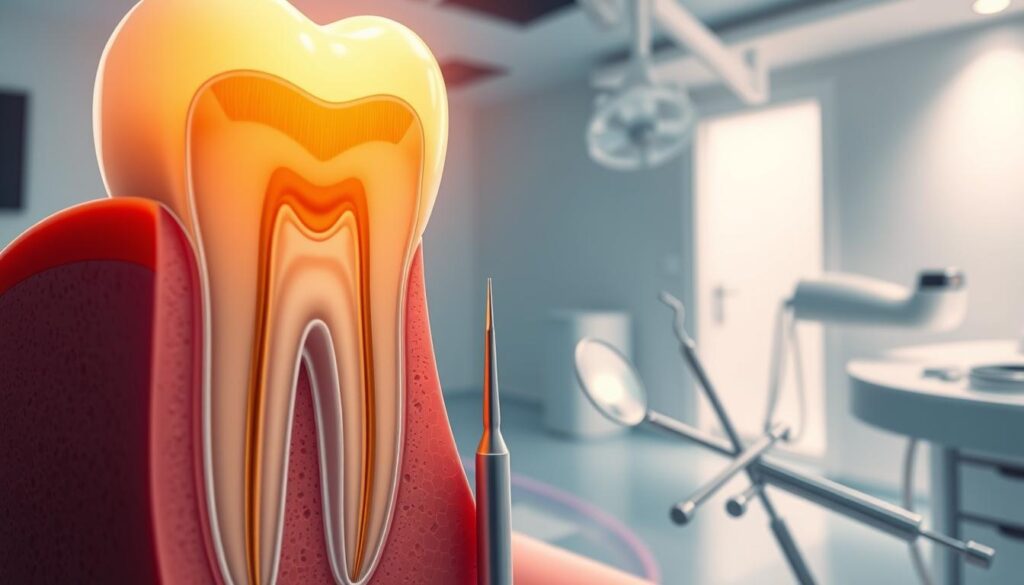
Initial Diagnosis and Treatment Planning
Tests show how bad the infection is. Doctors plan to make the tooth strong again before starting the treatment.
The Procedure Steps
Every step aims to remove all bacteria. This improves dental health.
- Local anesthesia for comfort
- Opening a small access point
- Pulpectomy and thorough cleaning
- Filling canals with gutta-percha
- Placing a crown for protection
Each step helps create a healthier tooth. This reduces the chance of infection coming back.
Post-Procedure Care
Follow-up visits check on the tooth’s health. Some people might feel a little pain, but it goes away.
Good dental care helps avoid problems. It leads to a stable tooth and better comfort every day.
Aftercare for a Root Canaled Tooth
After a root canal, it’s important to take good care of your tooth. This means following some simple steps to help it heal well. Regular check-ups are key to keeping your tooth healthy and avoiding problems.
Managing Discomfort and Pain
It’s normal to feel some pain after a root canal. Your dentist might suggest pain medicine if the pain is too much. You can also try using an ice pack to reduce swelling.
Brushing your teeth gently around the treated area helps prevent plaque. Drinking plenty of water and eating soft foods also helps your tooth heal.
Importance of Follow-Up Visits
Your dentist will want to see you again to check on your tooth. This visit is important to make sure everything is healing right. It’s also a chance to talk about any issues you’re having.
Going to these follow-up visits helps catch any problems early. This keeps your tooth working well for a long time.
| Tip | Benefit |
|---|---|
| Gentle Oral Care | Minimizes irritation to sensitive tissue |
| Timely Checkups | Ensures lasting success of the procedure |
What Happens to the Tooth After a Root Canal?
After a root canal, the inside of the tooth changes. The outer layer, though, stays strong. This is thanks to good care and timely fixes.
Changes in Tooth Structure
Some people worry if a tooth loses strength without a nerve. But, the enamel and dentin stay strong. This means you can chew food normally with the right filling or crown.
The Role of Filling Materials
Dentists use materials like gutta-percha to seal the tooth. This stops bacteria and prevents problems. They often suggest a crown for extra protection. With the right treatment and care, your tooth can function well again.
Potential Complications from Root Canals
Root canal therapy can fix deep infections in damaged teeth. It’s a key procedure, but problems can happen if bacteria get back in. Keeping an eye on the treated area is important. This way, early signs of trouble can be caught, and patients can get help fast.
Infections and Re-Treatment
Bacteria can hide in small spaces in the canal. Sometimes, this shows up as pain or swelling. If this happens, another treatment might be needed to clean the canal again.
Dentists use special scans to find where the infection is. This helps them know where to focus their treatment.
Possible Tooth Fracture
Teeth without a live pulp are less strong. This makes them more likely to break when you bite down hard. To protect them, dentists often suggest crowns or overlays.
These cover the tooth and keep it safe. But, even with these, a sudden hit could cause a fracture. If you accidentally hit your tooth, it’s a good idea to read about a chipped tooth and get advice from a dentist right away.
Long-Term Outlook for Root Canaled Teeth
Studies from the American Dental Association show that root canal therapy can save a tooth. This method often makes a tooth last longer, helping it function well in daily life. Many patients feel confident in their treated tooth’s strength, as long as they follow up with care.
Lifespan of a Treated Tooth
Several things affect how long a treated tooth lasts. The quality of dental work, the strength of the final restoration, and how you bite all matter. A good procedure can last for decades with regular care.
Tooth longevity also increases with careful biting and thorough cleaning. This helps the tooth stay strong for a long time.
Maintenance and Oral Hygiene Tips
Good home care can help a restored tooth last. Regular check-ups and careful habits improve your oral health.
- Limit sugary foods and drinks to reduce enamel erosion.
- Floss carefully to protect the gum line and treated region.
- Stay on track with scheduled cleanings to catch early changes.
These steps protect the treated tissue and keep the tooth strong. Eating balanced meals and watching for any pain helps keep your mouth healthy for years.
Aesthetic Considerations After Root Canal
Many wonder if a treated tooth can look as good as its healthy neighbors. Modern restorative procedures can make a tooth without pulp look natural. This helps keep the tooth’s structure and appearance pleasing.
Dental Crowns and Restorations
There are several ways to protect and beautify a tooth after a root canal. Dental crowns in porcelain or composite resin can strengthen and match the tooth’s color. Inlays or onlays can fill small cavities.
Many choose crowns for their long-lasting support and even color. For special cases, a removable partial denture might be suggested. But most people prefer a custom crown for a seamless smile.
Impact on Smile Appearance
Color changes might happen, but bleaching or veneers can fix that. Many feel more confident with a smile that matches their other teeth. Dentists plan carefully to match colors and strengthen the tooth.
This approach ensures both function and beauty. It helps patients enjoy results that last and boost their confidence.
The Psychological Impact of a ‘Dead’ Tooth
Learning about tooth pulp removal can make people feel uneasy. They might see a treated tooth as “dead.” This raises questions about its value and how it will look in the future. Many worry if it will affect their self-esteem because of discoloration or pain.
Common Fears and Misconceptions
Some think a root canal means the tooth is always painful or ugly. Others believe it shows poor oral health. These fears often come from not knowing much about treatments or possible problems.
- Concern over future discoloration
- Worry about structural reliability
- Doubt regarding treatment success
Addressing Concerns with Dental Professionals
Talking openly with dentists can clear up many worries. They explain how a dead tooth can work just fine. They also talk about how fillings and crowns keep the tooth strong and looking good.
Getting straight answers and seeing examples can really help. Patients learn that a treated tooth can stay healthy for a long time. This knowledge helps them take better care of their smile without worry.
Alternatives to Root Canals
Some people consider removing a badly damaged tooth instead of saving it with endodontic therapy. This choice should be based on a thorough check-up and what’s likely to happen next. Saving the tooth usually means better alignment and fewer future oral problems.
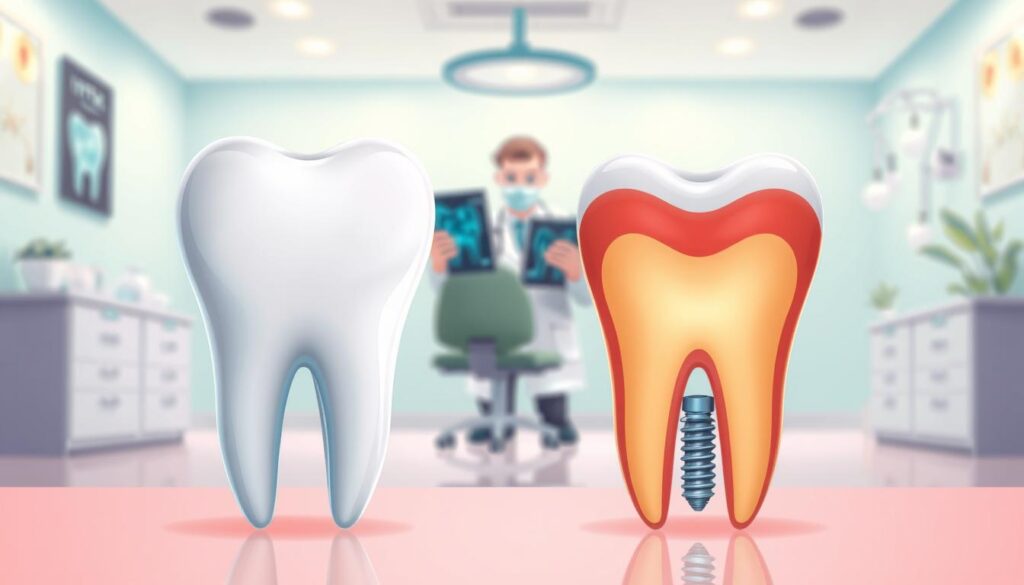
Removing a tooth gets rid of any infection. But it can cause bone loss and teeth to move, leading to bad bites. Root canal therapy keeps the tooth’s natural shape, helping support other teeth and keeping your bite stable.
Keeping a tooth in your mouth helps with chewing and keeps your face looking good. Saving a tooth also saves money by avoiding the need for implants or other fixes. Many doctors see root canal treatments as a smart choice for keeping your mouth healthy for years to come.
| Key Factor | Extraction | Root Canal |
|---|---|---|
| Complexity | Removal of diseased tooth | Cleaning and sealing canals |
| Overall Alignment | Possible shifting or gaps | Preserves jaw and tooth position |
| Long-Term Costs | Potential need for implants | Fewer follow-up treatments |
Cost Considerations for Root Canals
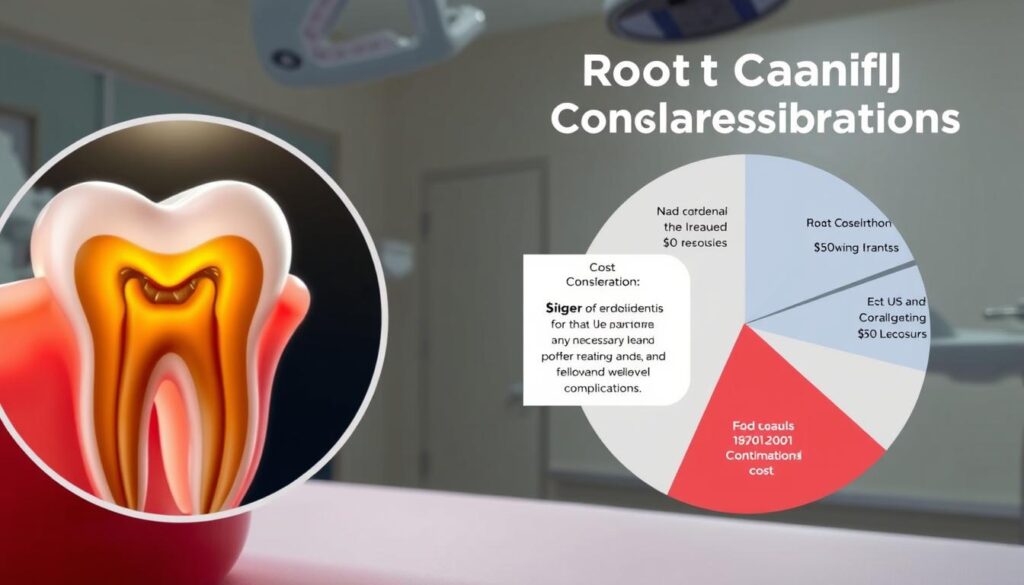
Many patients wonder if investing in endodontic therapy is worthwhile. Fees vary among practices. Yet, the goal is to preserve the tooth and avoid more complex procedures later.
Average Costs and Insurance Coverage
Expenses often depend on tooth location and treatment complexity. Some insurance plans help by covering a percentage of the fee. This can lower what you pay out of pocket. It’s wise to check your policy details for financial planning.
- Tooth type and treatment difficulty influence service fees.
- Insurance assistance may cover a portion of the cost.
- Consultation with a benefits coordinator often clarifies coverage limits.
Long-Term Financial Implications
Root canal therapy often saves money by avoiding future costs. Options like prosthetics can be expensive. Keeping natural teeth can save money over time. This approach also means fewer dental visits and more comfort.
Navigating Aftercare Pain
After a root canal, some people feel a bit sore. This soreness usually goes away as the tooth gets used to its new state. People wonder how to ease this pain without causing more problems.
Over-the-Counter Pain Relief Options
Choosing the right medication can make recovery smoother. It helps to ease any lingering pain. Here are some common options:
- Acetaminophen (Tylenol) for moderate aches
- Ibuprofen (Advil) for inflammation
- Low-dose aspirin in specific cases
Each of these can help with pain. But, it’s important to follow the instructions. Drinking plenty of water and getting enough rest also helps keep you comfortable.
When to Contact Your Dentist
Is a little tenderness a big deal? Usually, a dull ache or slight throb is normal. But, if the pain gets worse, swelling shows up, or you get a fever, see your dentist right away. Talking to your dentist early can prevent bigger problems later.
The Importance of Regular Check-Ups
Dental visits are key to keeping teeth healthy after a root canal. Regular check-ups help doctors catch small problems early. This keeps your teeth working well and feeling good.
Monitoring Tooth Health
Doctors use eye exams and X-rays to check for tooth changes. This careful method spots issues early, so they can be fixed fast.
This careful watching helps your treated tooth last longer. It also makes you feel more confident. You won’t worry about sudden problems.
Preventive Measures Post-Root Canal
Special cleanings get rid of plaque that could harm your tooth. Regular checks also keep your gums healthy. This lowers the chance of infection coming back.

Getting regular follow-ups helps keep your mouth healthy. It also keeps you in the loop. This way, you can enjoy the results for a long time.
| Appointment Interval | Key Focus | Outcome |
|---|---|---|
| Every 6 Months | Routine Exam & Hygiene | Early Detection & Plaque Control |
| Yearly | In-Depth Imaging | Proper Maintenance & Reinforcement |
Myths and Misunderstandings
Many people think root canal therapy is very painful. They believe a tooth is useless once the pulp is gone.
Debunking Misconceptions About Dead Teeth
Some think a tooth without pulp is useless. But, studies show it can stay strong. Enamel and dentin keep it in place.
With the right care, it can last for years. Modern pain control makes the procedure almost painless.
“A properly treated root canal tooth can function like any other healthy tooth,” states the American Association of Endodontists.
Educating Patients on Root Canal Realities
New treatments and regenerative medicine show root canals work well. Restorations help the tooth function normally. Dentists use science to teach the truth.
This helps people understand the value of a treated tooth. It’s key for keeping teeth healthy for a long time.
Conclusion: Moving Forward with a Root Canaled Tooth
A root canaled tooth can stay strong for chewing and speaking. It doesn’t have nerves anymore but keeps the tooth structure. This helps keep your jaw and bite comfortable.
Embracing Oral Health
Regular dental visits are key to a healthy tooth. If you feel pain or sensitivity, see a dentist right away. We all want your teeth to stay healthy and problem-free.
Making Informed Decisions About Dental Care
Having a healthy smile is important for your health. Some people wonder if a broken tooth can heal itself. This question is answered in whether a broken tooth can fix itself.
Knowing about root canal therapy helps you make the best choice for your teeth. With regular care, even a “dead” tooth can keep working well for you.