Should You Get a Root Canal or Just Pull the Tooth?

Every year, over 15 million people in the United States get a root canal. This shows how common the question is. People often ask, is it better to get a root canal or just pull the tooth? Dentists look at the tooth’s structure, symptoms, and health before making a decision.
Both options are for severe tooth damage or decay. The debate between root canals and tooth extractions is ongoing. Each choice has its own benefits and drawbacks that affect the outcome and long-term health.
Key Takeaways
- Root canal treatment helps preserve the natural tooth.
- Extracting a tooth may require future replacements.
- Dental professionals evaluate factors like infection and structural damage.
- Each method comes with different costs and recovery times.
- Ongoing check-ups guide healthy decisions for long-term oral health.
Understanding Dental Health: The Basics
Teeth are key for clear speech, eating right, and keeping our faces in shape. Keeping your natural teeth is usually best, as losing them can mess up your bite and face. This knowledge is vital when comparing dental treatments, helping both patients and dentists make better choices.
The Role of Teeth in Overall Health
Healthy teeth help us chew food well, which is good for digestion and getting nutrients. They also help us speak clearly. Having strong teeth keeps our jaws working right, making eating more comfortable and reducing the chance of more oral problems.
Common Dental Conditions
Tooth decay and gum disease are big issues that can get worse if ignored. Cavities happen when bacteria eat away at tooth enamel. Gum disease comes from plaque near the gums. Catching these early can stop them from getting worse and harming deeper tissues.
Many dentists stress the importance of good oral hygiene and regular check-ups. This can help avoid these serious problems.
What is a Root Canal Treatment?
A root canal is a special treatment for saving teeth. It targets the infected pulp inside a tooth. This way, the tooth’s natural structure can be kept.
Definition and Procedure
Dental experts say it involves removing damaged pulp and cleaning the tooth chamber. Then, it’s sealed with a material that’s safe for the body. This stops bacteria from spreading further.
Crowns are often used next to make the tooth stronger. Looking at broken tooth repair guides can help understand how to keep teeth healthy.
The American Dental Association states, “Root canals help retain the natural tooth, minimizing long-term complications.”
Benefits of a Root Canal Treatment
Keeping the original tooth helps avoid stress on other teeth. It also prevents infections from coming back. Studies show that acting early can make recovery faster.
- Maintains normal biting force
- Prevents gaps that may affect neighboring teeth
- Supports overall oral stability
| Step | Action |
|---|---|
| 1 | Local anesthesia |
| 2 | Removal of infected pulp |
| 3 | Cleaning and sealing canals |
| 4 | Crown placement to protect tooth |
Why Would You Need a Root Canal?
Acting quickly and making smart choices about your teeth is key. Root canal therapy saves a tooth when it’s damaged. It keeps the tooth working and looking good.
Symptoms Requiring a Root Canal
Severe pain and sensitivity to hot or cold are signs of trouble. You might also see your tooth turn dark or swell. These signs tell dentists it’s time for a root canal.
- Persistent pain that disrupts daily activities
- Heightened reaction to hot or cold
- Darkened tooth surface
- Tenderness or localized swelling
Causes of Tooth Damage
Deep cavities can let bacteria reach the pulp. Too many fillings can weaken a tooth. A blow to the mouth can also cause cracks or chips. It’s important to see a dentist if you notice any of these problems.

Pulling a Tooth: What Does It Mean?
Extracting a tooth means removing it from its socket when decay or injury goes beyond repair. This option may seem cheaper at first. But, future problems with tooth alignment or bone loss can happen without proper care. People often compare extractions with endodontic therapy to find the best way to a healthier mouth.
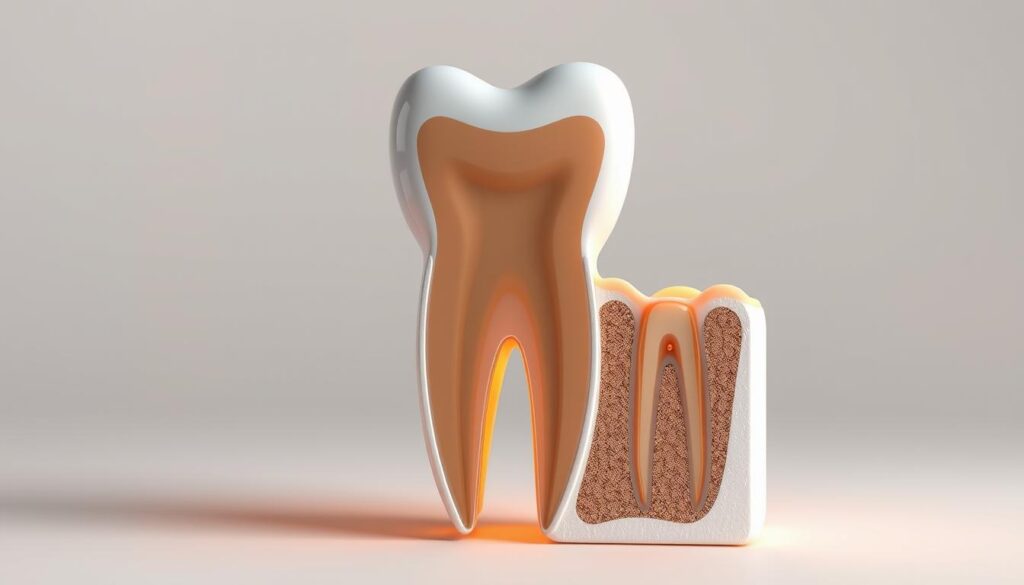
Dental professionals do this under local anesthesia or sedation to lessen pain. The immediate relief of pain is big. But, it’s important to follow up for good oral health. Making smart choices now can help your long-term health.
The Tooth Extraction Process
Clinicians use special tools to loosen the tooth before lifting it from the gums. They apply gentle pressure to remove it, protecting the surrounding tissues. Patients often use ice packs and medicine to help with recovery.
Reasons for Tooth Extraction
Common reasons include:
- Severe decay that threatens adjacent teeth
- Extensive damage below the gum line
- Overcrowding that disrupts proper alignment
Each reason shows why it’s key to compare extraction outcomes with endodontic therapy benefits. This helps people choose the best solution for lasting oral function.
Comparing Root Canals and Tooth Extractions
When deciding between root canals and tooth extractions, people consider healing time, comfort, and risks. Root canals keep the tooth, saving its structure and requiring less downtime. On the other hand, extractions remove the tooth, leaving a space that needs time to heal.
Pain and Recovery Time
Root canals might cause some pain but heal quickly because the area is closed. Extractions can be more painful, with more tenderness after, due to the complexity of the procedure. Dentists may suggest pain relief and check-ups to help with recovery.
Cost Considerations
Root canals can be more expensive, possibly needing a crown for protection. While extractions might cost less upfront, future treatments like implants or bridges can add up. Dentists talk about both immediate and long-term costs to help patients make the best choice.
Long-Term Effects of a Root Canal
Keeping your natural tooth is a big plus when looking at dental care options. It helps keep your teeth in line and your bite stable over time.

Impact on Adjacent Teeth
Choosing to keep a tooth after a root canal helps keep the space between teeth right. The bone around the tooth stays strong, which is good for the teeth next to it. This can help prevent the teeth from moving or putting too much pressure on them.
- Maintains proper bite alignment
- Prevents drifting of adjacent teeth
- Supports overall oral structure
Potential for Future Issues
A tooth fixed with a root canal can become weak without a crown. But, regular dental visits and careful care can lower the risk of infection coming back. Some might need another treatment if problems happen, showing how important good oral care is. This helps people choose the best dental care for long-term comfort and stability.
Long-Term Effects of Tooth Extraction
Removing a tooth can make you feel better but can also affect your mouth’s balance. When a tooth is gone, the teeth next to it might move. This can change how you bite and chew, making everyday tasks harder.
Changes in Bite and Alignment
Without a tooth, the teeth around it can shift. This might cause your teeth to not fit right together. You might need to see an orthodontist to fix this.
Impact on Facial Structure
Teeth help keep the jawbone strong. Without them, the bone can start to break down. This can make your face look different, like it’s sinking in.
Dentists might suggest implants or dentures to fix this. But some people look for other options before choosing to remove a tooth.
The American Dental Association says keeping your natural teeth is best. It helps keep your bite right and your bone healthy.
Our team suggests looking into root canal alternatives if you can save your tooth. This choice helps keep your mouth working right and your face looking good for longer.
Aesthetic Considerations: Appearance Matters
Many patients focus on their smile for personal image. Treatments that save teeth help keep them looking natural. This can avoid the need for big fixes.
Choosing to save or remove a tooth affects your look. Each option has different effects on your face.
How Root Canals Affect Your Smile
A root canal keeps your tooth safe and stable. Dentists might suggest a custom crown to cover the tooth. This helps your smile look natural and keeps your confidence up.
Effects of Extractions on Appearance
Removing a tooth can leave a gap. Prosthetics can hide this gap, but a guide like this one can help. Without a quick fix, your lip support and symmetry might change.
| Aesthetic Factor | Root Canal | Extraction |
|---|---|---|
| Facial Symmetry | Often Maintained | May Shift Over Time |
| Smile Continuity | Natural Tooth Structure Stays | Visible Gap Without Replacement |
| Crown or Prosthetic | Matches Natural Shape | Implant or Denture Required |
Evaluating Your Dental Insurance Coverage
Some insurance plans cover root canals at certain percentages. Extractions also have coverage, but each policy is different. A root canal with a crown might have partial coverage, while an extraction could seem cheaper but might need more treatments later.
Is it better to get a root canal or just pull the tooth? This question depends on your insurance. Look at how your policy handles restorative vs. basic services. Also, check for waiting periods or benefit tiers to match treatment with your budget.
Coverage for Root Canals vs. Extractions
Plans often see root canals as specialized treatments. Extractions might get simpler coverage, but solutions like bridges might not be fully covered. Looking at each provision helps avoid unexpected costs.
Understanding Out-of-Pocket Costs
Deductibles and annual maximums are key. You might face a lot of costs if the procedure goes over plan limits. Reading your contract carefully helps you understand your financial situation. The choice between a root canal or pulling the tooth depends on a detailed policy review.
| Treatment | Typical Coverage | Potential Extra Fees |
|---|---|---|
| Root Canal & Crown | Partial coverage varies by plan | Periodical crown replacement |
| Extraction | Lower initial cost in many cases | Bridge or implant if needed |
The Role of Your Dentist in Decision-Making
Dentists play a big role when a tooth problem arises. They check everything, from how sick the tooth is to how strong it is. They use exams, X-rays, and look at your health history to decide if you need a root canal or if the tooth should be pulled.

How Dentists Evaluate Your Condition
They look at your symptoms and how well the tooth can be saved. They check how deep the decay is, if the nerve is involved, and if there are any old fillings. If a root canal is needed, an endodontist might join the team.
- Examining radiographs for hidden fractures
- Gathering health background to spot healing obstacles
- Using bite tests to check sensitivity
Asking the Right Questions
Talking openly helps make a good choice. People often want to know the total cost, how likely it is to work, and how long it will take to heal. Clear talks help everyone agree on what to do next and make sure it’s the best choice.
| Factors | Key Considerations |
|---|---|
| Clinical Findings | Extent of decay and tooth strength |
| Radiographic Analysis | Hidden issues or infections |
| Patient Goals | Budget, comfort, and timeline |
Alternatives to Root Canals and Extractions
Looking for less invasive care? Conservative approaches might be what you need. Pulp capping is a key option. It aims to save the tooth’s center when decay hasn’t caused too much damage.
Early detection is key. A protective layer is placed over the affected pulp. This helps in tissue repair and keeps the tooth functioning normally. It’s a way to avoid complex treatments and keep your teeth healthy for longer.
Pulp Capping: What Is It?
Pulp capping involves putting a special dressing on the exposed tooth pulp. It encourages healing and can reduce pain. It’s a cost-effective option for some, depending on insurance and the dentist’s findings.
When to Consider Other Treatments
There are other ways to save a tooth. Indirect pulp therapy or protective resins might work if the pulp is only partially damaged. For those missing teeth, there are options that fit personal needs. Each plan is tailored to the individual, based on careful evaluation and expert advice.
The Role of Follow-Up Care
Routine dental visits help dentists check how well you’re healing after big procedures. This includes root canals or tooth extractions. Follow-up appointments are key to spotting any issues early. They help keep your mouth healthy for the long run.
Importance of Regular Check-Ups
Going to the dentist regularly can prevent many problems. Catching infections or gum issues early is a big plus. Just a few minutes every few months can save you from a lot of pain and money.
Managing Pain and Discomfort
Some people don’t feel much pain if they follow the right steps. You can use over-the-counter meds to ease the discomfort. If the pain gets worse, there are stronger options available.
Here are some tips to help you feel better faster:
- Avoid eating rough foods for a few days
- Rinse with a solution your dentist recommends
- Keep up with good oral hygiene
These tips help you heal faster and keep your teeth and gums healthy. They’re important for your overall mouth health.
Patient Experiences: Real-life Perspectives
Many people look for advice from those who have had root canals or tooth extractions. Stories from the American Dental Association and others share both relief and concerns about long-term comfort.

Testimonials on Root Canal Success
Some patients say root canals saved their natural teeth and eased pain. They like keeping all their teeth and avoiding the look of a missing one. The process takes a few visits, but they say it’s worth it for the comfort.
They feel more confident smiling and enjoy having a stable tooth back.
Stories of Tooth Extraction Outcomes
Some people remember quick relief from pulling out a badly damaged tooth. This option might seem cheaper at first, but it can lead to more planning for implants or bridges later. They talk about feeling better in daily life and then deciding on tooth replacement.
These stories show how important it is to choose the right treatment for your dental health and goals.
Making an Informed Decision
Healthcare experts like the American Dental Association say root canals and extractions both fix infections and pain. Both methods work to end discomfort. But, the choice often depends on long-term stability, cost, recovery, and personal comfort.

Talking to your dentist helps find the best option. Each choice has its own good points and downsides. Knowing these helps make a fair decision.
Weighing the Pros and Cons
Many experts suggest keeping natural teeth if possible. A root canal saves the tooth’s base, preventing alignment issues. On the other hand, removing a tooth stops infection quickly if decay is severe. The choice depends on several factors:
- Structural integrity of the tooth
- Budget for treatment
- Potential need for future intervention
Personal Considerations for Each Option
Patients have different priorities. Some want to keep their teeth for looks and function. Others prefer quicker solutions, even if it means losing a tooth. A qualified dentist can help create a plan that fits your health goals, lifestyle, and budget.
Conclusion: Root Canal or Tooth Extraction?
Choosing between a root canal and a tooth extraction is a big decision. Both options help fix serious dental problems and ease pain. The best choice depends on your tooth’s condition, budget, and personal feelings.
Summarizing Key Points
A root canal keeps your natural tooth and helps it function normally. It might cost more and take more visits, but it looks better. On the other hand, a tooth extraction is simpler but leaves a gap.
This gap might need implants or other treatments to keep your teeth aligned and your bite right.
Next Steps for Your Dental Care
See a skilled dentist and think about future treatments or prosthetics. Regular dental visits help catch problems early. This way, you can make informed choices.
Modern treatments aim to improve your smile and health. Think about how each option affects your daily life. Choose what’s best for your long-term oral health.