What Are the Signs of an Infected Tooth or Nerve Damage?
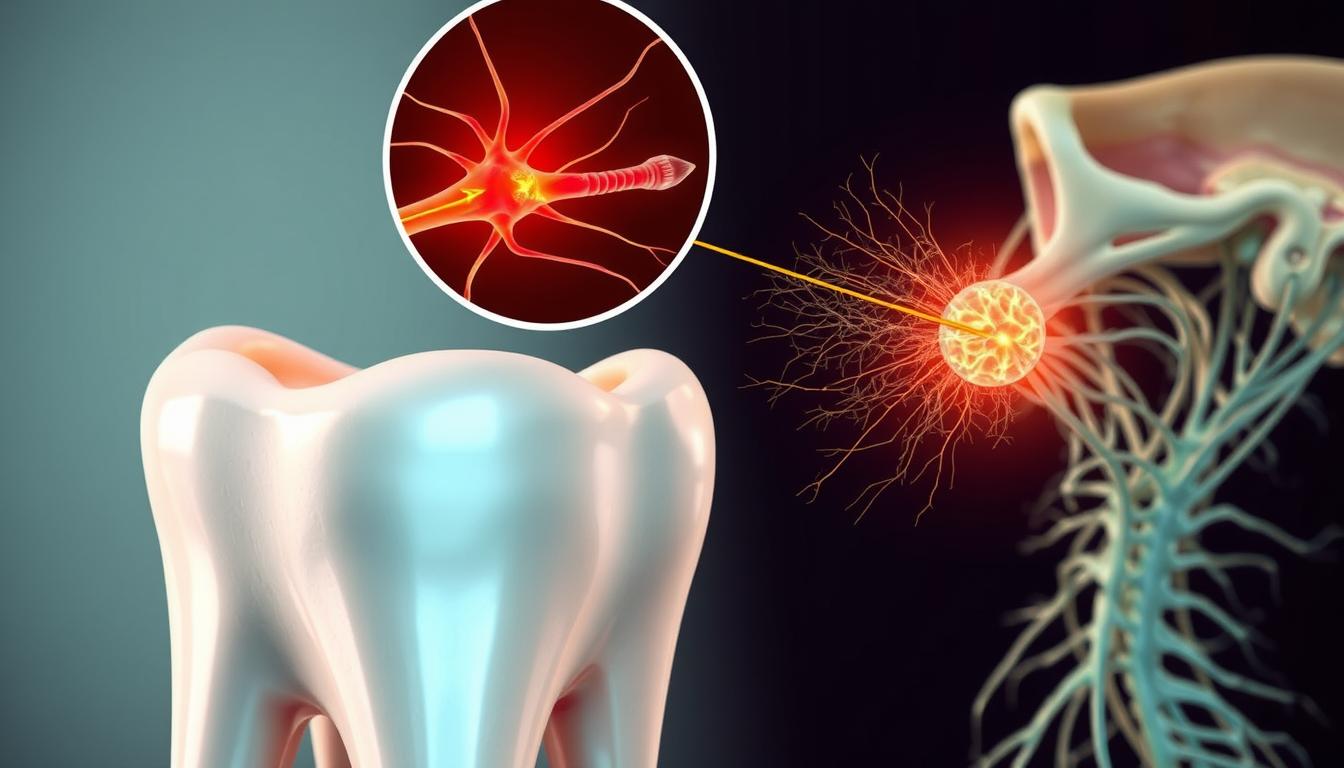
Every year, over two million people in the United States visit emergency rooms for tooth problems. Many don’t know that mild pain can mean serious issues that need quick dental care.
Untreated bacteria or trauma can cause inflamed tissue in the tooth. But, it’s hard to tell if it’s an infection or nerve trouble. Asking, “what are signs of an infected tooth or nerve damage?” helps us spot serious problems early.
Key Takeaways
- Persistent oral pain often signals an underlying dental condition
- Infections may escalate fast when not treated promptly
- Nerve damage can cause sudden sharp aches
- Professionals rely on X-rays, exams, and patient history
- Early prevention measures help safeguard overall well-being
Understanding Tooth Infection and Nerve Damage
Infections in teeth often start quietly. Bacteria get past the enamel, causing swelling that hurts the inner pulp. We want to show how small signs can mean big problems. A serious worry is nerve damage in tooth structures, which can cause pain or go unnoticed until it gets worse.
Ignoring it can lead to a serious abscess, causing a lot of swelling. Not treating it can harm your jaw and overall health. For more urgent info, check this resource.
Definition of Tooth Infection
A tooth infection happens when bacteria get in through cavities or small cracks. This causes pain, gum swelling, or pus. Finding it early is key to prevent serious problems.
Definition of Nerve Damage
Nerves in each tooth send signals about problems. When nerve damage in tooth gets serious, people might feel constant pain or sharp shocks. Keeping nerves healthy and blood flowing is important.
Importance of Recognizing Signs Early
Waiting too long can make things worse. Signs include sharp pains, tender gums, and tooth color changes. Spotting it early helps avoid lasting damage and ensures timely treatment.
Common Symptoms of an Infected Tooth
An infected tooth may show early signs, like tooth abscess symptoms that get worse. Pain that doesn’t go away can make talking and daily tasks hard. Spotting these signs early is key to avoid bigger problems later.
Persistent Toothache
Severe, ongoing pain often means the infection is serious. Some people struggle to chew or bite. The pain might change throughout the day but rarely goes away fully.
Swelling in the Gums
Swollen, sore gums are a big warning sign. This can spread to other tissues, making it urgent to see a dentist. If not treated, swelling can make things worse and disrupt your life.
Learn how to care for chipped teeth in this guide.
Bad Breath or Foul Odor
Bad smells often come from bacteria trapped in the tooth. Some people notice a bitter taste, which means the infection is deeper. Changes in smell are a clear sign you need to see a dentist fast.
Identifying Nerve Damage Symptoms
Dentists often say that long-lasting pain might mean something serious is wrong. Sharp pains can come from inside the tooth, showing problems with the pulp. Finding nerve damage early can help keep your teeth healthy and prevent bigger problems later.
Sharp or Shooting Pain
Pain that shoots through your jaw can mean inflammation near the tooth’s nerve. It feels like a sudden sting that spreads along your jaw. This pain can really disrupt your day and make you seek help right away.
Sensitivity to Temperature
Drinks that are hot or cold, or even small changes in temperature, can cause sharp pain. If your tooth hurts a lot when you eat or drink, it could be a sign of pulp irritation. Dentists might suggest an urgent check-up if you feel a burning or throbbing pain.
Numbness in the Affected Area
Feeling numb can hide problems. It happens when the nerve is damaged. Even if a tooth feels “dead,” it’s important to see a dentist to avoid bigger issues.
How Tooth Infections Develop
Microorganisms thrive in dark spots where teeth decay or have small cracks. This often goes unnoticed but can lead to signs of tooth infection spreading. Symptoms include pain, swollen gums, or pressure in nearby tissues.
Bacterial Causes
Streptococcus mutans and other harmful bacteria attack deeper layers. They feed on leftover sugars and produce acids. These acids erode enamel, allowing infection to spread further.
Poor Oral Hygiene
Not brushing regularly and not flossing enough creates a perfect environment for bacteria. Food gets stuck in gaps between teeth, causing plaque. This plaque leads to pain and discomfort.
Dental Trauma
Injuries that cause cracks or fractures open a path for bacteria to reach the pulp. Quick dental care can prevent further damage. It helps avoid long-term problems for patients.
Risk Factors for Tooth Infections
Many things can harm our teeth and cause deep inflammation. Knowing what these are helps us act fast, mainly for those with tooth decay symptoms.
Preexisting Dental Conditions
Untreated cavities and past dental work can weaken our teeth. Bacteria can get in through holes or cracks, leading to infections. Regular dental check-ups can help prevent this.
Lifestyle Choices
Bad brushing habits, too much sugar, and smoking can harm our teeth and gums. Drinks with high acidity also put extra pressure. Eating well and cleaning our teeth properly can help fight off bacteria.
Age and Health Considerations
Older people with weaker immune systems are more at risk for tooth infections. Conditions like diabetes make it harder for our bodies to fight off infections. Keeping an eye on our teeth and catching problems early is key for those at risk.
The Role of Pulp and Nerve Function
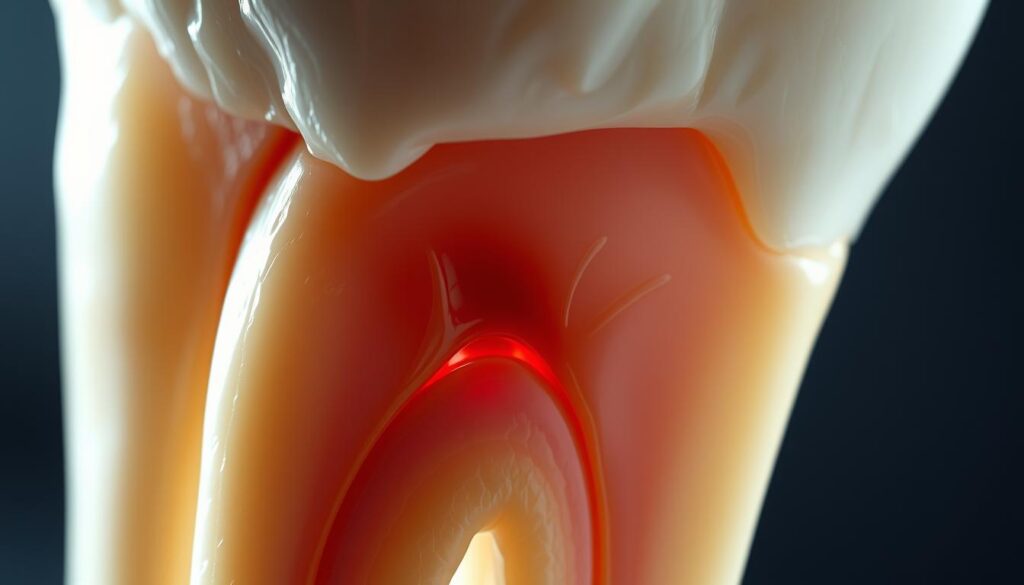
Dental pulp is key, holding blood vessels and nerve fibers. It keeps teeth healthy and fights off germs. For more info, check out this resource.
Importance of Dental Pulp
Pulp tissue is vital for tooth health. It warns us of danger and helps heal after injuries. It also stops infections from reaching the nerve.
Effects of Damage on Nerve Health
Damage to pulp can cause pain and inflammation. Small issues can turn into big problems if germs spread. Catching problems early is key to avoiding serious damage.
- Regular checks find pulp problems early.
- Quick action protects nerves from harm.
| Key Factor | Significance |
|---|---|
| Pulp Vessels | Deliver nutrients and oxygen for continued tooth health |
| Nerve Fibers | Transmit signals linked to sensitivity, including nerve pain in tooth root |
Diagnosis of Tooth Infections
Spotting tooth infection problems early is key. Dentists look for signs like gum color changes or drainage. This helps fix issues before they get worse and keeps your mouth healthy.
Clinical Examination
Dentists check for tender spots, swelling, or loose teeth. They might tap teeth or check how they fit together. Small changes in tooth texture can point to infection.
X-rays and Imaging Techniques
X-rays show hidden cavities or abscesses that can harm teeth. Panoramic X-rays give a wide view of bones and roots. This helps dentists see if infections are spreading.
Patient History Review
Looking at past dental work, injuries, and health is important. Knowing when pain started, recent illnesses, and family health helps dentists plan the best treatment.
| Diagnostic Tool | Purpose | Benefit |
|---|---|---|
| Visual Assessment | Identifies visible decay | Guides immediate treatment |
| Digital X-ray | Detects abscesses | Improves early intervention |
| Patient History | Reveals underlying factors | Supports tailored solutions |
Treatment Options for Tooth Infections
People with tooth pain and swelling look for ways to feel better. They want to stop the infection and the pain. Early treatment can prevent bigger problems.
“Prompt dental care stops small issues from becoming major complications.” – American Dental Association
Antibiotics and Medications
Some infections spread and need antibiotics. These medicines kill bacteria and reduce swelling. Pain relievers and anti-inflammatory drugs help with comfort during healing.
Root Canal Therapy
When the pulp is damaged, it needs a deep clean. Endodontists use special tools to clean the canals. Then, they seal it to keep the tooth strong.
Extractions
Severe damage might mean a tooth can’t be saved. In such cases, removing the tooth stops the infection. A dentist will suggest a replacement to fill the gap. For more information, visit this resource.
| Treatment | Key Benefit | Ideal For |
|---|---|---|
| Antibiotics | Controls bacterial spread | Early or moderate infection |
| Root Canal | Saves natural tooth | Irreversible pulp damage |
| Extraction | Prevents further complications | Severe structural loss |
Treatment Options for Nerve Damage
Damage to the dental nerve can harm your oral health and cause pain. A good plan helps fix the damage and keep your tooth strong. Experts use a mix of modern treatments to fix both the structure and the pain.
Endodontic Treatment
Root canal procedures clean out the diseased pulp and seal the tooth. This helps reduce pain and protects the tooth. Materials like gutta-percha fill the space and stop bacteria from spreading.
Nerve Repair Procedures
Microsurgery or regenerative techniques might help fix partially damaged nerves. Dentists may use these methods along with restorative work. This helps bring back sensation and function. Research on these advanced nerve repair methods is promising.
Pain Management Techniques
Medication, topical anesthetics, or sedation can help with pain. Specialists might suggest analgesics or mild laser treatments for ongoing pain. A well-planned therapy helps keep you stable and comfortable.
Each treatment combines science with care for the patient. A holistic approach helps avoid future pain and promotes good oral health.
| Procedure | Approach | Key Advantage |
|---|---|---|
| Endodontic Therapy | Removal of diseased pulp | Halts bacterial spread |
| Nerve Repair | Regenerative or microsurgical methods | Restores nerve function |
| Pain Management | Medications or sedation | Immediate relief |
Prevention Tips for Tooth Infections
Keeping your mouth healthy is key to avoiding tooth infections. Simple steps can help keep your teeth strong. This way, you can feel confident and avoid pain from tooth infections.

Effective Oral Hygiene Practices
Brushing your teeth twice a day is essential. Use fluoride toothpaste for two minutes to remove plaque and stop bacteria. Flossing daily cleans between your teeth, where germs hide. Rinsing with mouthwash can reach areas brushing misses.
Regular dental visits are also important. They catch problems early and prevent bigger issues. A broken tooth guide can help with unexpected tooth damage.
Diet and Its Impact on Oral Health
Eating foods rich in fiber and dairy helps your teeth. Choose low-sugar foods to keep your mouth healthy. A balanced diet protects your gums and fights off harmful bacteria.
- Brush with fluoride toothpaste
- Floss once a day
- Limit refined sugars
| Beneficial Foods | Foods to Limit |
|---|---|
| Fresh Fruits & Vegetables | Sticky Candies |
| Whole Grains & Dairy | Sugary Beverages |
The Importance of Seeking Immediate Care
Acting fast can stop serious problems with a sudden tooth infection or nerve damage. Doctors say that getting (urgent dental care) right away helps protect the area around the tooth. It also keeps the healthy nerves safe and lowers the chance of needing bigger treatments later.
Signs Indicating Urgent Dental Care
Severe and ongoing pain might mean a deep infection. If your face swells, you have a fever, or trouble swallowing, it’s a sign of a bigger issue. Many doctors, like the American Dental Association, say to see a dentist fast if symptoms get worse.
(Abscess drainage) and specific treatments can stop a problem from getting worse. This helps avoid (systemic complications).
Consequences of Delayed Treatment
Ignoring a problem can let it spread to the jaw or blood. (Facial cellulitis) or long-term (nerve damage) could harm your health. Quick treatment with antibiotics or specific procedures can stop infections before they harm your teeth and health.
| Urgent Indicator | Potential Outcome |
|---|---|
| Intense Toothache | Bacterial Spread and Tissue Damage |
| Continuous Swelling | Possible (facial cellulitis) |
| High Fever | Signs of (systemic complications) |
When to See a Dentist
Waiting too long can cause serious dental problems. Seeing a dentist early can help a lot. Regular visits help catch small issues before they get big.
Going to the dentist regularly keeps your teeth strong. It also builds trust with your dentist. This trust leads to better care in the long run.
Symptoms Requiring Immediate Attention
Some signs need a dentist right away. Ignoring them can lead to bigger problems. Look out for:
- Severe toothache that lasts more than two days
- Fever or swelling
- Bad breath or a metallic taste
Regular Check-Up Guidelines
Seeing your dentist every six months is key. These visits clean your teeth and catch problems early. Talk to your dentist about any issues or changes you notice.
Home Remedies for Tooth Pain Relief
Short-term at-home solutions can ease discomfort while waiting for a thorough exam. These methods may address swelling or throbbing sensations, bringing a temporary sense of calm. Persistent concerns call for prompt professional advice.

Salt water rinses can help flush away bacteria and manage mild gum sensitivity. Some prefer one teaspoon of salt dissolved in lukewarm water, swishing gently to protect tender areas. This technique often gives a soothing effect.
Cold compress application reduces puffiness and offers a numbing sensation for pulsating pain. Many users find relief by pressing a wrapped ice pack on the cheek for brief intervals.
Over-the-counter pain relievers like ibuprofen or acetaminophen may lessen discomfort and support normal daily activities. It is best to follow dosage guidelines, considering any health concerns.
| Home Remedy | Purpose | Precautions |
|---|---|---|
| Salt Water Rinse | Clean gums, reduce bacteria | Avoid swallowing the solution |
| Cold Compress | Lower swelling, relieve pain | Apply in short cycles to prevent skin irritation |
| OTC Pain Medications | Limit discomfort | Stick to recommended dosage |
Recognizing the Difference: Tooth Pain vs. Nerve Pain
Knowing the difference between (tooth pain) and (nerve pain) helps find the right solution. Tooth pain often feels like a sharp, throbbing (symptoms) that gets worse with pressure. Nerve pain, on the other hand, can start without chewing and may feel like a dull ache that spreads through the jaw.
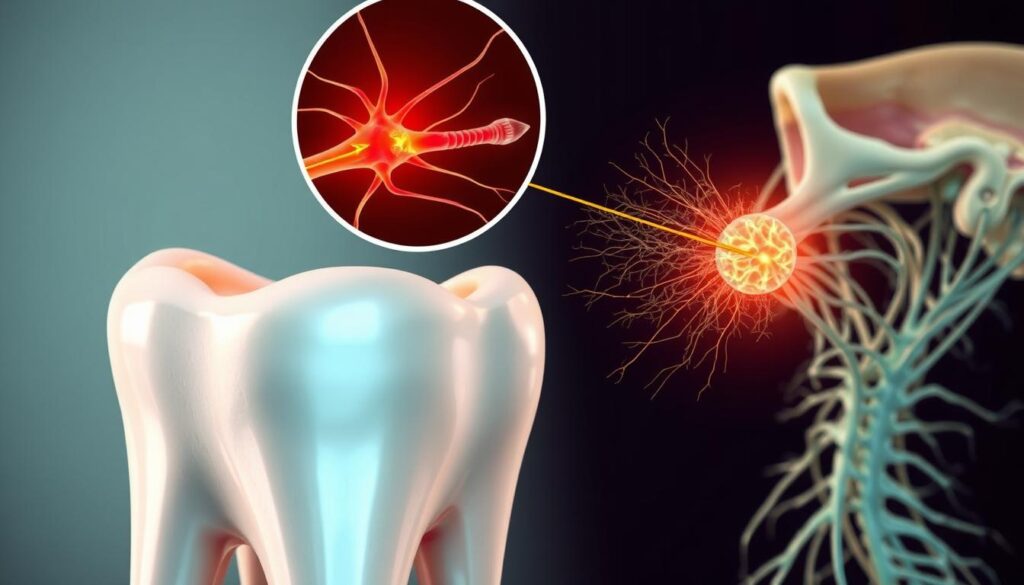
Finding out what’s causing the pain is the first step to treatment. Some people notice their gums swelling around the tooth, which might mean an infection. Others feel sudden, random (nerve pain) that doesn’t go away even when they’re not doing anything.
Symptoms Comparison
Looking at the (symptoms) can help figure out if it’s a tooth infection or nerve issue:
- Infection-based discomfort gets worse with chewing or contact
- Nerve-related pangs linger unpredictably and may spread
“A sudden jolt that spreads across the face may signal nerve involvement and requires timely evaluation.” — Mayo Clinic
Underlying Causes
Tooth pain usually comes from bacteria getting into the tooth, often due to decay or injury. This leads to ongoing (tooth pain). Nerve problems, on the other hand, can come from trauma or inflammation in the dental pulp, causing (nerve pain) that lasts. Knowing if it’s an infection or a nerve issue is important for choosing the right treatment, like antibiotics, root canal therapy, or other dental work.
Long-Term Effects of Untreated Infections
Ignoring an infection can lead to serious problems. Bacteria can damage tissues and harm important structures. Swelling can also spread, affecting how things work in the area.
Potential Complications
Some people might get abscesses or damage to the tooth’s base. Others could struggle with jaw stability, making it hard to chew or speak. Chronic irritation can also affect soft tissues around the teeth, making dental care harder.
Impact on Overall Health
When an infection spreads, it’s a big worry. Studies show links between dental issues and heart problems. This highlights the need to act fast on any symptoms.
Pain or trouble eating can lead to malnutrition. Taking care of ourselves is vital to avoid more harm and keep our health good.
Conclusion: Prioritizing Oral Health
Keeping your smile strong means catching problems early and taking care of your teeth. Ignoring tooth infections or nerve damage can lead to big issues. By flossing daily, brushing gently, and seeing your dentist, you can avoid abscesses and worse.
Recap of Key Signs and Symptoms
Look out for red gums, bad breath, and tooth sensitivity. These signs might seem small, but they can get worse fast. Catching them early helps keep your mouth healthy and stops pain.
Encouragement to Seek Professional Help
For serious tooth issues, see a specialist. Getting help quickly can prevent more complicated treatments. Pay attention to any unusual symptoms and make sure to visit your dentist regularly. This way, you protect your teeth and overall health.