My Tooth Broke But It Doesn’t Hurt – Do I Still Need to See a Dentist?

In the United States, about one in five adults have a broken or chipped tooth each year. Yet, many don’t feel any pain. So, the question is: Do I still need to see a dentist if my tooth broke but it doesn’t hurt? Deep cracks can hide and let bacteria get in.
Waiting too long can lead to infection or nerve damage. A dentist can spot a small break before it gets worse. Our research in regenerative medicine shows the need for quick action. That small crack might need broken tooth repair to keep your teeth healthy for a long time.
Key Takeaways
- Minor breaks might not hurt, yet they can weaken tooth structure.
- Bacteria can enter unnoticed cracks and cause infection.
- Early professional care helps prevent nerve damage.
- Delay can lead to bigger fractures or even tooth loss.
- Painless chips often mask underlying issues.
Understanding Broken Teeth
Many people don’t think much of a small crack. But, it can be a sign of a bigger problem. Weakened enamel or a blow to the tooth can lead to chips or worse. If not treated, it could even cause an infection.
Common Causes of Tooth Breakage
Things like biting hard foods or clenching during stress can break teeth. Acid erosion or grinding can also weaken enamel, making teeth more prone to fractures. Sometimes, a small crack can happen without you even noticing.
Types of Broken Teeth
- Minor chips along the tooth edge
- Deep cracks that travel beneath the gum line
- Fractured roots reaching the inner nerve
Each type of break is different. A small crack might seem harmless, but it could be more serious than it looks.
Symptoms of Broken Teeth
Some breaks hurt a lot or make teeth sensitive to cold or hot. Others might not hurt at all. That’s why it’s important to get a dental exam and cleaning if you think you might have a broken tooth. Signs like bleeding, swollen gums, or sharp edges are also warning signs.
Signs You Should Visit the Dentist
Small cracks in a tooth might not hurt at first. But, not feeling pain doesn’t mean the tooth is okay. Sensitivity to cold drinks or a dull ache can pop up anytime, showing hidden damage that needs a dentist’s help.
Hidden Damage and Risks
Hairline cracks can go deeper into the tooth, leading to infection if not fixed. Even a mild ache could mean a bigger problem is growing. People often miss early signs, but these can get worse. Here are some warning signs:
- Unusual tingling or temperature sensitivity
- Occasional sharp twinges
- Visible chips with no obvious tooth pain
The Importance of Professional Evaluation
Dentists use X-rays and detailed exams to find tiny cracks early. This careful check often finds problems you can’t see. Catching issues early stops big problems later. Regular visits keep your teeth healthy and prevent small issues from becoming big ones.

When to Seek Immediate Help
Quick swelling or severe pain is a big warning sign. You should act fast if you bleed or feel a lot of pain. Quick action can stop infection and save your tooth, avoiding more serious treatments.
Potential Complications of Not Visiting a Dentist
Is that small crack really nothing to worry about? Even if it doesn’t hurt, it can hide problems that get worse over time. Waiting too long to see a dentist can let bacteria spread, harming your mouth and body.

Infection Risks
A small crack can let bad germs in. If the pulp is exposed, bacteria can spread. This can lead to abscesses and bigger health issues that need serious treatment.
Long-term Dental Health Issues
Weak spots in teeth let cavities grow faster. This can weaken your teeth, needing costly and time-consuming fixes.
Impact on Adjacent Teeth
Ignoring a broken tooth can mess up your bite. This puts stress on other teeth, causing problems with alignment and function.
“Leaving a broken tooth untreated can escalate bacterial growth and compromise overall oral health.” – American Dental Association
Seeing a dentist quickly can prevent these problems. It keeps your teeth stable and comfortable for the long run.
What to Expect During Your Dental Visit
Many patients wonder if a fractured tooth is a big deal or a dental emergency. A calm and clear environment helps ease worries. This makes the care process more precise and effective.
Initial Assessment Procedures
The dentist starts with a visual check to spot cracks or chips. Bite tests might follow to check for sensitivity and hidden damage. X-rays then provide deeper insight, helping decide on treatments like root canal therapy.
Treatment Options for Broken Teeth
Doctors choose treatments based on the tooth’s condition. Some might need bonding or fillings, while others might require crowns. Extraction is considered last if the tooth is too damaged. Good treatment can stop a dental emergency from getting worse.
Follow-up Care and Monitoring
Regular checkups make sure healing is going well. Dentists look for signs of infection, check bite alignment, and see if the restorations are stable. These visits help avoid problems and keep the fixes in place.
| Procedure | Purpose |
|---|---|
| Visual Inspection | Identify surface cracks or chips |
| Bite Test | Evaluate discomfort and sensitivity |
| X-ray Imaging | Reveal damage below the gum line |
| Root Canal Therapy | Remove infection and preserve tooth structure |
| Extraction | Eliminate severely fractured teeth |
At-Home Care Before Your Dental Appointment
Some people get a tooth fracture without much pain. But, there are steps you can take at home to stay comfortable and keep your mouth healthy. These actions help protect your gums, reduce swelling, and prevent the problem from getting worse.
Tips for Managing Discomfort
Warm saltwater rinses can soothe sore spots. You can also use over-the-counter pain meds to ease pain. Dental wax or a temporary fix can cover sharp edges. These methods help until you see a dentist.
Safe Food Choices
Eating carefully can help avoid making the tooth fracture worse. Opt for soft foods like soups, fruits, and oatmeal. Avoid hard or hot foods that could hurt your tooth more. Making these small changes can help you feel better and prevent bigger problems.
Oral Hygiene Practices
Even with a tooth fracture, brushing and flossing gently is still important. This resource suggests rinsing with water after meals to remove sugars and acids. Taking care of your teeth daily helps keep them strong until you get professional help.
The Role of Dental X-rays
X-rays show us parts of our teeth that we can’t see normally. They help find small cracks or infections inside the tooth, even when we can’t see them. Finding these problems early can stop them from getting worse and save our natural teeth.
How X-rays Help Diagnose Issues
Dentists use bitewing or panoramic x-rays to find tooth decay. These images show details that are hard to see, like decay or cracks. If caught early, a small filling might be all that’s needed.
What Your Dentist Looks For
Dentists look at each x-ray for changes in bone, lesions, and tooth decay. They check for tiny changes in the enamel that need attention. This helps them decide on treatments like fillings, crowns, or root canals.
| Type of X-ray | Common Uses |
|---|---|
| Bitewing | Identifies interproximal decay and checks existing restorations |
| Panoramic | Surveys entire jaw, locates impacted teeth or hidden damage |
| Periapical | Focuses on root tips and structures around the apex |
Types of Dental Treatments Available
Every broken tooth needs a special fix. For small chips, cosmetic contouring works well. But for bigger breaks, you might need a root canal or even an extraction. Today’s materials help make these fixes last longer, keeping your teeth strong for years.
Fillings and Bonding
Fillings fix teeth damaged by decay or injury. Bonding uses a special resin that matches your tooth color. It fixes small cracks and breaks, making your tooth look and feel better.
Crowns and Caps
For big tooth problems, crowns or caps are the answer. They cover the damaged part, making your tooth strong again. This helps keep your tooth healthy for a long time.
Root Canals When Necessary
If the damage goes all the way to the pulp, a root canal is needed. This treatment removes the bad tissue and seals the tooth. It stops more problems from happening.
| Treatment | Benefit |
|---|---|
| Filling or Bonding | Quick fix for minor chips and cracks |
| Crown or Cap | Robust reinforcement for weakened structures |
| Root Canal | Eliminates infection and retains the natural tooth |
Costs and Insurance Coverage
Many people look at prices before getting a treatment for a damaged tooth. Prices change based on the treatment and how complex it is. Planning well can keep your teeth healthy and also save money.
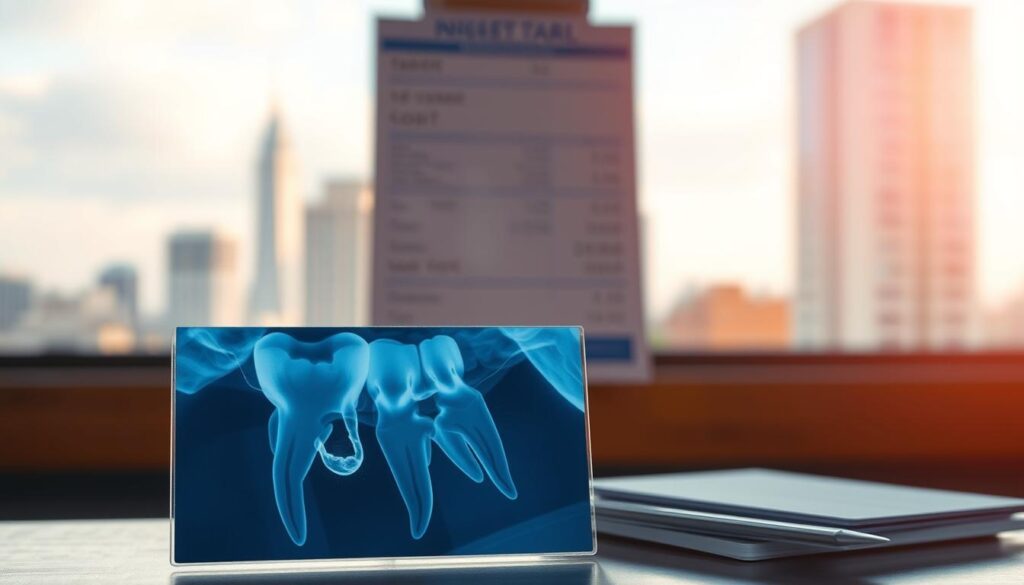
Average Prices for Treatments
Cosmetic bonding is often cheaper than bigger fixes. Root canals or crowns cost more because of the materials and skill needed. Even though some treatments seem expensive, they can save your teeth in the long run.
Understanding Your Dental Insurance
Insurance like Delta Dental or MetLife might help pay for some treatments. But, they usually don’t cover just for looks. Knowing what your insurance covers can help you plan for what you’ll have to pay yourself.
Financing Options for Dental Work
There are payment plans or financing options to help spread out the cost. This way, you don’t have to pay all at once. Planning your budget can make you feel more at ease and encourage you to get treatment sooner.
Preventive Measures for Future Damage
Keeping your enamel strong can prevent chipped and fractured teeth. Brushing twice a day with fluoride toothpaste removes plaque and protects your teeth. Flossing daily cleans hidden areas and fights decay. Some also use mouth rinses for extra protection.
Regular dental visits are key to catching early signs of wear. Wearing a mouthguard in sports protects your teeth from injury. Avoiding hard foods like ice or unpopped popcorn helps your enamel too.
Good Oral Hygiene Practices
Rinsing with water after meals helps when you can’t brush. Use soft-bristled brushes and gentle strokes to polish without harming gums.
Regular Dental Check-ups
Dental exams can find small cracks or weak spots early. Catching these issues early can prevent bigger problems.
Avoiding High-Risk Foods
Stay away from hard candies or sticky foods to avoid tooth stress. Choose balanced snacks and chew carefully to keep your teeth healthy.
When to Seek Emergency Dental Care
Acting fast can stop problems and keep your teeth working right. If a tooth breaks badly, bleeds a lot, or falls out, you need to see a dentist right away. The American Dental Association says to get help if you have a lot of pain or swelling.
Staying calm when something unexpected happens can help a lot. Keeping broken tooth pieces in a clean container can also help fix them better.
Scenarios Requiring Immediate Treatment
There are many situations that need quick dental care:
- Cracked or completely displaced teeth
- Continual bleeding that does not subside with gentle pressure
- Swelling accompanied by fever
- Pain that disrupts daily tasks
How to Handle a Dental Emergency
Acting quickly can prevent serious damage. Here are some easy steps:
- Rinse the mouth using mild salt water
- Carefully place a dislodged tooth back in its socket or use milk to keep it moist
- Apply a cold compress to reduce inflammation
- Schedule a prompt dental appointment for professional treatment
| Emergency Step | Key Action |
|---|---|
| Tooth Rinse | Use mild salt water to clear debris |
| Tooth Fragment Care | Store chipped pieces in a clean holder |
| Get Professional Help | Contact a dentist for immediate assistance |
Conclusion: Importance of Dental Care
Broken teeth without pain might make you think you can wait to see a dentist. But hidden cracks can get worse, leading to serious problems. Going to the dentist early can save your tooth and make you feel better.
Experts can find hidden dangers and create plans to keep your mouth healthy. This way, you can avoid bigger issues later.
Recap of Key Points
Acting fast when you notice a small crack is very important. Dentists can find tiny breaks before they turn into big problems. They help prevent issues like tooth decay or gum problems.
Steps to take care of your teeth include avoiding hard foods, brushing well, and seeing the dentist often. This keeps your teeth safe and healthy.
Final Thoughts on Dental Health
Seeing a dentist is the best way to avoid serious tooth issues. Regular dental visits help your teeth heal better. The American Dental Association says early treatment is key to keeping your teeth natural and avoiding decay.
By getting professional help, you reduce the risk of infection and keep your smile bright. Regular dental visits are the key to a healthy mouth for life.