How Often Should I Brush My Teeth Each Day?
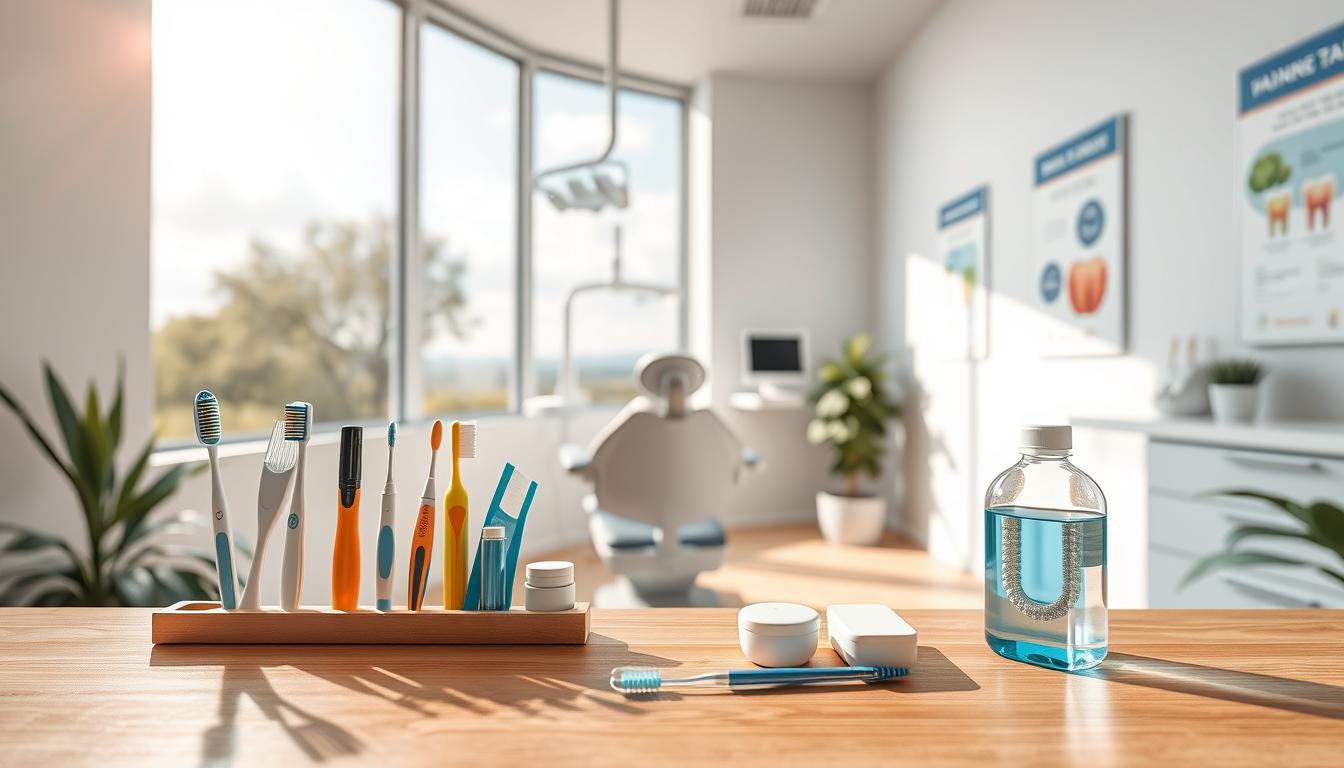
A shocking 20% of Americans don’t follow the twice-daily tooth brushing advice from dental pros. It’s crucial to brush twice a day to not just keep our teeth white. This habit helps prevent serious diseases linked to bad oral hygiene. Dental care should be a key part of our daily life. Yet, many people don’t pay enough attention to it. The American Dental Association (ADA) tells us to brush twice a day for two minutes with a soft-bristled brush. This isn’t only about keeping our teeth clean. It’s vital for our overall health and stopping other sicknesses.
Key Takeaways
- Understanding the importance of adhering to the ADA’s recommended twice-daily brushing routine is key to comprehensive dental hygiene.
- Implementing the oral care guidelines set by dental health professionals can contribute to overall health and prevent more serious diseases.
- Choosing the right toothbrush, specifically one with soft bristles, is an essential part of maintaining good oral hygiene.
- Effective brushing goes beyond merely cosmetics, playing a significant role in a complete oral care regimen.
- Committing to the recommended duration of two minutes per brushing session can substantially improve dental health outcomes.
- Engaging in proper dental care routines, as advised by the ADA, is crucial for long-term health and prevention of dental issues.
Understanding the Importance of Brushing Your Teeth
Brushing your teeth is key for good dental hygiene. It helps keep your oral health in check and fights diseases. By preventing plaque and tooth decay, it acts as your mouth’s main guard. Knowing the right way to brush is important for your proper dental care.
Oral Health Basics
Good oral health begins with brushing your teeth well. This action gets rid of food bits and plaque. Since plaque can eat away at your tooth enamel, brushing stops cavities from forming.
Regular brushing keeps your mouth healthy and stops dental problems before they start.
Connection to Overall Health
Recent research shows a strong tie between oral health and your overall health. Issues like gum disease have been linked to heart disease and diabetes. This inflammation might even make heart conditions worse and affect pregnancy.
So, brushing your teeth is about more than just a nice smile. It’s crucial for keeping your whole body healthy.
Recommended Brushing Frequency for Adults
It’s vital to follow the right tooth brushing frequency for healthy teeth. The American Dental Association (ADA) advises adults to brush twice a day. By doing so, you can prevent dental issues and keep your teeth clean every day. Now, let’s look closer at these guidelines and figure out the best times to brush.
American Dental Association Guidelines
The ADA stresses brushing your teeth twice daily. You should spend two minutes each time, making sure to brush everywhere. Sticking to this habit is key for getting rid of plaque and stopping tartar, which can cause cavities and gum problems.
Ideal Times to Brush
When you brush makes a big difference for your oral health. It’s best to brush once in the morning and again at night. Brushing in the morning gets rid of overnight bacteria, and nighttime brushing cleans off the day’s food and plaque. This keeps your mouth healthy all day, just as the ADA suggests.
Special Considerations for Children
Good oral health is key for kids. It starts with teaching them the right way to take care of their teeth early on. This sets them up for a healthy mouth for life.
Teaching kids how to brush correctly is very important. Start brushing when the first tooth shows up. Use a small, soft brush. Parents should help their kids brush to make sure it’s done right. This helps kids get used to brushing.
Brushing Techniques for Kids
Use only a pea-sized amount of fluoride toothpaste. Show kids how to spit it out, not swallow. Brush gently in circles to clean each tooth well. This helps stop cavities and keeps teeth healthy.
Encouraging Good Habits Early
Being consistent and encouraging is crucial for healthy dental routines. Parents should brush their teeth with their kids. Making it fun helps kids want to brush. For tips on good dental habits, check out proper dental care.
Starting good oral care habits early is essential. It prevents dental problems. And it’s vital for a child’s health. These habits lead to a lifetime of healthy teeth and overall well-being.
Effects of Insufficient Brushing
Not brushing enough can lead to many problems for your mouth and body. Skipping regular brushing can cause dental issues. If not treated, these issues might turn into serious health problems.
Common Dental Problems
Not brushing well causes plaque to build up. Plaque is a sticky layer of bacteria on your teeth. If not cleaned, it leads to tooth decay and cavities. Not taking care of it can cause gingivitis, which is swollen gums that can hurt and be harmful.
If gingivitis isn’t fixed, it can get worse and turn into periodontitis. This is a worse gum disease that can hurt your teeth’s support tissue and bones. It can make you lose your teeth, making it hard to eat or talk.
Impact on Overall Wellbeing
Poor mouth health doesn’t just affect your teeth. For example, serious mouth infections like periodontitis are linked to heart disease, diabetes, and pregnancy issues. This shows how important dental care is for your whole body’s health.
So, it’s very important to follow good mouth care steps. Not just to keep your mouth healthy, but also your whole body. Brushing twice a day, flossing, and going to the dentist are key to stop cavities, gum diseases, and other health problems.
The Role of Flossing in Oral Hygiene
Flossing every day is key for great dental hygiene. It reaches spots that your toothbrush can’t. This stops cavities and gum disease.
Floss at night to get rid of food and plaque from the day. This helps because when we sleep, our mouth produces less saliva. Less saliva means more chances for dental issues.
How Flossing Complements Brushing
Flossing gets between teeth and along the gumline where brushes can’t. It makes sure all food bits and plaque are removed. This helps stop tooth decay and gum problems.
| Action | Effect |
|---|---|
| Removes debris between teeth | Prevents cavity formation in interdental areas |
| Cleans along the gumline | Reduces the risk of gingivitis and gum disease |
| Dislodges plaque | Minimizes the risk of tartar build-up and periodontal problems |
By flossing daily and following oral care guidelines, you’re less likely to get dental diseases. Your mouth will be healthier overall.
Factors Influencing Brushing Frequency
Everyday choices like what we eat affect our dental tips and oral health. Changes in our diet, especially with sugar, and our habits can change how often and how well we brush our teeth. Knowing these factors lets us tailor our dental care for better health and well-being.
What we eat is key in deciding how much we need to brush and floss. Eating a lot of sugary snacks and drinks increases harmful bacteria. This can cause tooth decay and gum disease. So, following recommended brushing habits is crucial to fight the negative impacts of our diet on our oral health.
Our lifestyle choices like smoking, drinking coffee, or wine, and using some medications can make us need a stricter dental care routine to keep our teeth healthy. Aligning our daily habits with personalized dental tips makes our brushing more effective.

Changing our dental habits based on our diet and lifestyle helps not just our oral health but our overall health too. Understanding and adapting to these things helps us keep our teeth clean. This reflects well on us, both in health and socially.
Brushing Techniques for Maximum Effectiveness
To make your teeth brushing routine better, you need more than good toothpaste. It’s about learning the right tooth brushing techniques and picking the best tools for proper dental care. We’ll look at different toothbrush bristles and the pros of manual and power brushes.
The type of bristle is crucial for effective brushing. The American Dental Association (ADA) suggests using soft bristles. They’re gentle on gums and enamel. Now, let’s see the differences:
| Brush Type | Benefits | Suggested for |
|---|---|---|
| Soft Bristle Brushes | Gentle on gums, effective plaque removal | Daily use, sensitive teeth, gum disease |
| Hard Bristle Brushes | More abrasive, may clean some stains better | Occasional deep cleaning (not recommended regularly) |
Choosing between power and manual toothbrushes depends on what you prefer and need. Studies show both can work well if used correctly:
| Brush Type | Advantages | Considerations |
|---|---|---|
| Power Brushes | Automated bristle motion, reduced effort for user | Higher cost, requires charging or batteries |
| Manual Brushes | Control over pressure and angle, inexpensive | User must ensure correct technique for effectiveness |
Making your teeth brushing routine better comes down to right tooth brushing techniques and choosing the best tools for proper dental care. It doesn’t matter if you go for a manual or power brush. Focus on brushing well, not just the type of brush you use.
Using Mouthwash: Is It Necessary?
Many people question the need and effectiveness of using mouthwash for good dental health. Knowing when and how to use it can boost your oral health. This goes along with following basic oral care steps.
Benefits and Drawbacks
- Mouthwash use can reach spots that toothbrushes and floss might miss. It helps lower the risk of cavities and gum disease.
- Many kinds have antiseptic properties. They kill bad bacteria that can cause plaque, bad breath, and infections.
- It’s important to remember that mouthwash should not replace brushing and flossing. It should support these key habits.
- Some types may have alcohol or chemicals that can cause dryness or other negative effects for some people.
Timing Your Mouthwash Use
- For the best results, use mouthwash after brushing and flossing. It helps to clear away any remaining plaque and particles.
- It’s advised to use mouthwash at least once a day, ideally before bed. This protects your teeth from plaque and infections overnight.
Choosing to use mouthwash depends on the person. But, following expert oral care advice can improve your dental health routine. Mouthwash is a great tool for those wanting to enhance their oral hygiene. Make sure it’s used right and along with other oral care methods.

The Science Behind Toothbrush Types
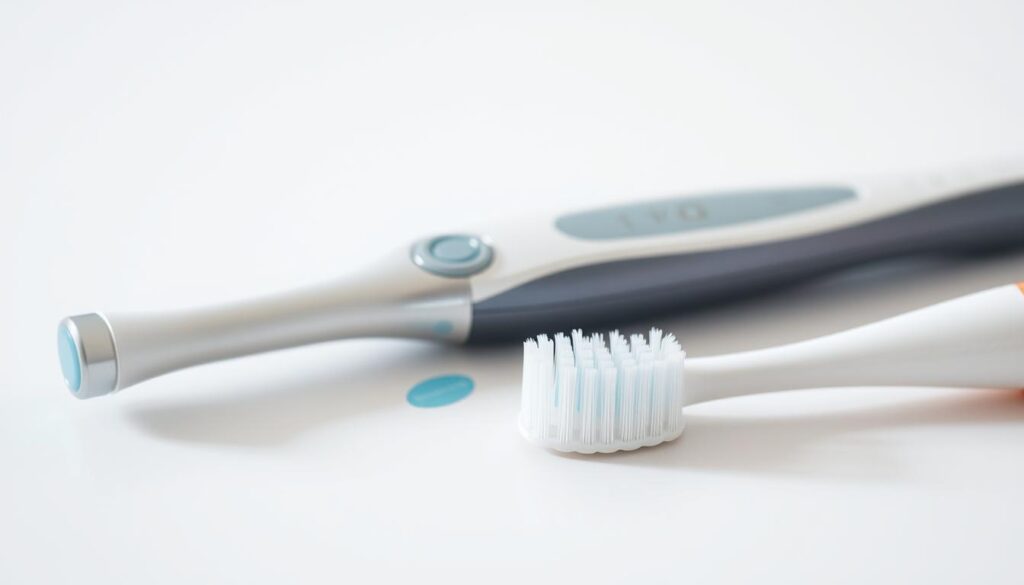
Choosing the right toothbrush is key for daily dental care. Advances in dental tech have given us many options. Whether it’s a manual toothbrush or an electric toothbrush, each has its benefits. To ensure safety and effectiveness, look for the ADA Seal of Acceptance.
Dental experts emphasize the need to pick a toothbrush that meets your needs and improves your brushing experience. Let’s explore how these two main types of toothbrushes differ.
When it comes to the electric vs. manual debate, the key is knowing which one fits your personal oral health routine and delivers the most effective plaque removal.
| Feature | Manual Toothbrush | Electric Toothbrush |
|---|---|---|
| Control | User-dependent technique | Automated brushing movements |
| Cost | More affordable | Higher initial investment |
| Portability | Easy to carry without requirements | Requires charging or batteries |
| Ease of Use | Simple, no setup required | Often features timers and sensors for optimized brushing |
| Suitability | Ideal for travel and children | Beneficial for those with limited manual dexterity |
| ADA Seal of Acceptance | Available on select models | Available on select models |
The choice between electric and manual toothbrushes should consider comfort, lifestyle, and dental advice. No matter your choice, a toothbrush with the ADA Seal of Acceptance meets high quality and effectiveness standards.
Understanding Oral Health Beyond Brushing
Maintaining good oral health is more than just brushing your teeth. It involves understanding how your lifestyle affects your dental health. Eating right and going for dental check-ups are key. Follow detailed dental tips every day to improve your oral hygiene.
Role of Diet in Dental Care
“You are what you eat” applies to your teeth and gums too. Some foods can boost your dental health, while others can harm it. Eating foods like vegetables, fruits, and dairy helps protect your teeth and keeps your gums healthy.
- Calcium-rich foods such as cheese, milk, and leafy greens help to strengthen teeth.
- Crunchy fruits and vegetables, like apples and carrots, aid in cleaning teeth and gums naturally.
- Limiting sugar intake is crucial as it is a prime contributor to tooth decay.

Regular Dental Check-ups
Visiting the dentist regularly is essential for top-notch oral health. These visits let dentists keep an eye on your hygiene, clean your teeth professionally, and catch small issues early.
- It is recommended to visit the dentist at least twice a year for routine cleanings and examinations.
- Dentists can provide personalized dental tips and tooth brushing frequency recommendations based on individual health needs and habits.
To sum up, great oral health requires brushing, watching what you eat, and seeing your dentist often. By doing these, you’ll not just keep your mouth healthy but also improve your total health.
What to Do if You Miss a Brushing
Sometimes you might forget to brush your teeth. Missing one brushing session isn’t usually a big deal for your teeth. But it’s important to know what to do to keep your mouth healthy. Brushing your teeth is key to preventing dental issues, so try to stick to the routine.
If you forget to brush, you can still care for your teeth. Rinse your mouth with water or mouthwash. This helps cut down on bacteria. Also, it’s smart to stay away from sweets or sour foods that harm your teeth.
| Action | Benefit |
|---|---|
| Rinsing with Water | Helps remove food particles and reduce bacterial load. |
| Using Antimicrobial Mouthwash | Reduces plaque formation and freshens breath without brushing. |
| Avoiding Acidic/Sugary Foods | Prevents additional risk of cavities during the brushing gap. |
Not brushing enough can lead to bigger tooth problems. You might get cavities, gum disease, or even worse. If you miss many brushing sessions, seeing a dentist might be necessary. They can do deep cleaning to get your teeth back to healthy.
To avoid serious tooth issues, try not to skip brushing. If it happens often, talk to a dentist. They can give advice that fits your dental needs.
Addressing Common Misconceptions
In this section, we will clear up common myths about the best teeth brushing habits. We’ll provide true oral care guidelines. It’s vital to know the facts to keep up with good hygiene. This will help everyone stick to oral care routines that work.
Many believe brushing more than twice a day is bad. They say it can hurt your enamel and gums. But, what’s more important is how you brush and the brush’s hardness.
Some think that stronger toothpaste equals cleaner teeth. This isn’t true. Good brushing is about how well and how you brush, not just the toothpaste.
- Debunking Brushing Frequency Myths: Brushing after every meal can actually be good. This is true if you use soft bristles and the right technique. It stops plaque and keeps bacteria in check.
- Email Clarifications on Dental Care: Not all sugary foods hurt teeth the same way. It matters how long sugar stays on your teeth. Rinse or brush after sweets to lessen the danger.
By following these tips, you can make a teeth brushing routine that protects your teeth. Always use care tips backed by science and experts for the best hygiene.
Conclusion: Establishing Your Daily Routine
Starting your journey to great oral health needs a strict daily routine. It’s based on the rules from the American Dental Association (ADA). They recommend brushing your teeth twice a day as a key step. But, that’s just the beginning. Good oral hygiene means brushing regularly, flossing, and maybe using mouthwash too.
Keeping up with good habits is key to having healthy teeth for a long time. This means choosing the right toothbrush and knowing how food and lifestyle affect your teeth. Adding regular dentist visits to your routine helps prevent dental problems. It keeps you healthy overall.
Learning and following these oral care steps makes a strong daily routine possible. By making these practices part of your everyday life, you can avoid dental issues. This way, everyone can have a healthy smile and good oral health. It all starts with the daily care we give our teeth.