What Should I Do If I Have a Terrible Toothache?
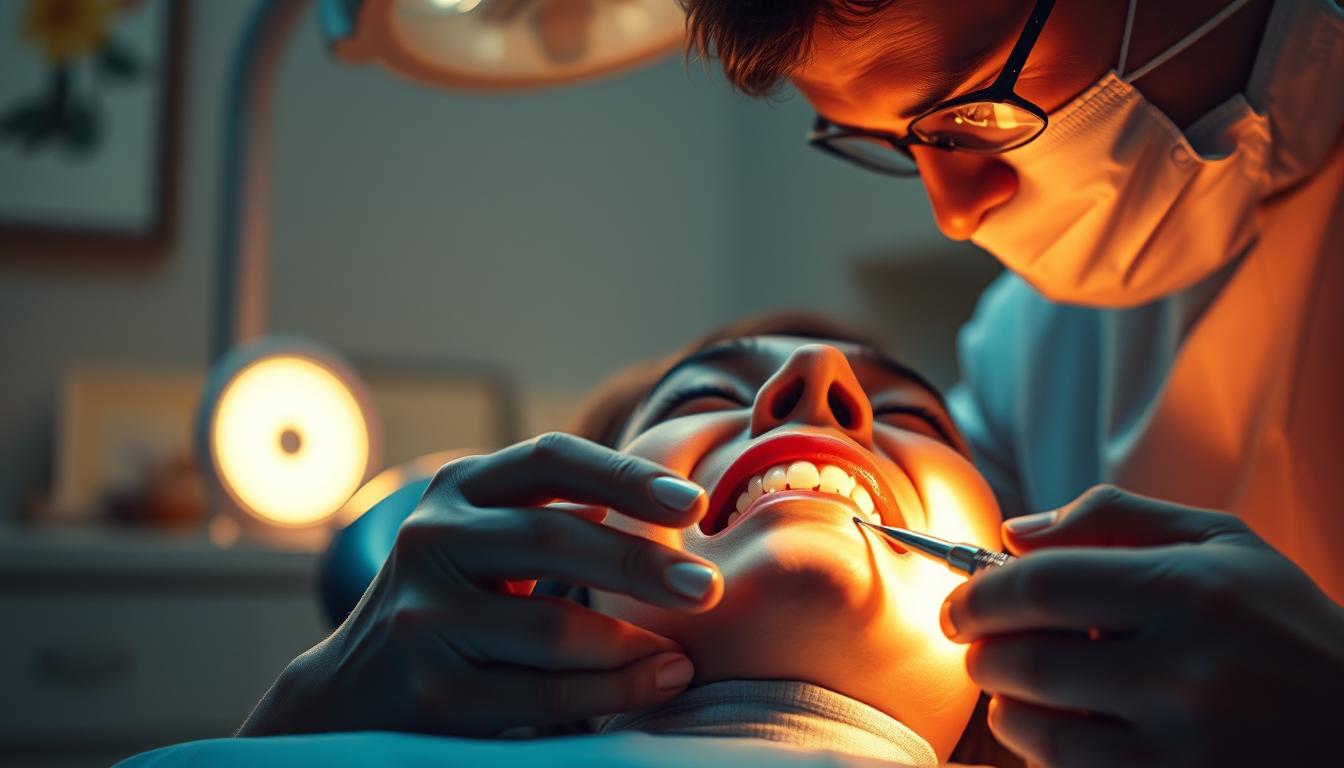
Did you know over 20% of Americans have had a severe toothache in the past six months? This shocking fact highlights the importance of knowing how to handle severe tooth pain. Acting quickly is key to avoiding more issues, making emergency dental visits critical for pain relief.
Many people try to ease tooth pain at home first. Over-the-counter painkillers like ibuprofen or paracetamol can help, but don’t give aspirin to anyone under 16. You can also use oral gels for short-term relief. But if your jaw or cheek swells up, it’s time to see an emergency dentist right away. Don’t wait to see your regular doctor. And if you have trouble breathing, swallowing, or speaking, get emergency help immediately.
Before seeing the dentist for your toothache, make sure to know your current meds. This information helps the dentist give you the best, safest care.
Key Takeaways
- Severe toothache needs quick action to stop it from getting worse.
- Over-the-counter meds and oral gels can give short-term relief.
- If there’s big swelling or other serious symptoms, see an emergency dentist right away.
- Don’t use aspirin for anyone under 16 with a toothache.
- Knowing your medications can make your emergency dental visit go smoother.
Understanding the Causes of Toothaches
Toothaches come from many problems inside our mouths, and each needs a different approach to fix. Knowing what causes them is key. It helps with both prevention and finding quick relief.
Looking closely, most tooth pains are due to a few common dental problems. It’s vital for dentists and people to get this, so they can take care of their teeth early on.
Common dental issues that cause pain
Tooth decay, gum disease, and dental abscesses are the main culprits behind toothaches. They bring a lot of pain and can cause worse health issues if ignored. Let’s see how these problems cause toothaches:
- Tooth Decay: Happens when bacteria eat away sugar in your mouth, creating cavities that hit the nerves.
- Gum Disease: Gum infections cause swelling, pain, and a painful feeling that spreads to the root of the tooth.
- Dental Abscess: This is a severe, throbbing pain from a bacterial infection in the tooth’s center.
Other potential causes of toothaches
There are other less common reasons for dental pain too. Each can make toothaches worse, showing how important full dental checks are:
- Sensitivity from worn enamel or gum pulling back, exposing touchy parts of a tooth.
- Injuries to the jaw or teeth, like cracks.
- Impacted wisdom teeth causing pressure on other teeth.
- Teeth grinding that puts stress on teeth and gums.
Figuring out the exact cause of a toothache is crucial for the right treatment. Being aware and practicing preventive care, along with expert checks, can really lower toothache chances. This leads to healthier teeth and smiles.
Recognizing Symptoms of a Severe Toothache
Telling how bad a toothache is can make a big difference. A small toothache can be just annoying. But if it hurts a lot, you need to act fast. This is true especially if you have a fever, red gums, or a bad taste in your mouth.
Toothache symptoms show up in different ways. If the pain is sharp or keeps coming back, it’s a warning sign. Knowing what symptoms come together helps find out what’s wrong and fix it.
| Symptom | Indication | Urgency Level |
|---|---|---|
| High Temperature | Possible infection or inflammation | High |
| Red Gums | Inflammation or infection of the gums | Medium to High |
| Bad Taste in Mouth | Potential abscess or decay | Medium |
| Persistent, Severe Pain | May indicate more serious dental condition | High |
Knowing what these toothache symptoms mean is important. It helps you get help quickly. If you feel a lot of pain and have a fever, see a doctor right away.
Initial Steps to Take at Home
When you first feel a toothache, there are simple things you can do at home to ease the pain for a bit. Knowing these basic home remedies for a toothache can help you deal with the pain until you can get more advice.

A saltwater rinse is a quick and simple solution you can make. It’s good for cleaning your mouth and reducing swelling. Just mix half a teaspoon of salt in warm water. Swish it around your mouth gently, then spit it out. You can do this several times to help soothe the area.
Using cold compresses is also key for toothache pain. They’re really handy right after an injury that caused the toothache. Cold compresses help decrease swelling and numb the area, making you feel better for a while.
If you need to manage the pain right away, OTC pain relievers are a good option. Medicines like acetaminophen, ibuprofen, and naproxen are often used. Make sure you follow the package’s directions and pick the right one for your age and health. Avoid putting aspirin right on your gums or tooth, as it can irritate them more.
These steps aren’t a replacement for seeing a dentist but are good first actions to take at home. They use easy home remedies to deal with a toothache.
When to Seek Professional Help
Having a dental emergency can be very scary. It’s vital to act fast and correctly. Knowing when it’s time to get help from a dentist is key for your oral health. Here are the main guidelines and signs that show you need professional help right away.
Signs that Indicate You Need a Dentist
There are several symptoms that tell you to see a dentist fast. These signs include:
- Persistent pain lasting more than a couple of days
- Significant swelling in the mouth or facial area
- High fever or signs of infection
- Difficulty biting or chewing that disrupts regular eating habits
If you experience any of these, it might mean there’s a serious problem. Getting help quickly can stop more issues or long-lasting harm.
Timeframes for Urgent Dental Care
Knowing when to get emergency dental help is crucial. Let’s look at some common situations:
- Immediate Action: Severe and unmanageable tooth pain or bleeding
- Within 24 hours: Loose teeth or injuries to the soft tissues of the mouth
- Within a few days: Mild to moderate toothache and minor dental fractures
Even if the pain feels okay, waiting too long for care can cause worse and more expensive problems later.
When you’re dealing with dental emergencies, always follow steps for proper care. And get professional advice quickly. This can help solve the tooth pain fast and fix any bigger dental issues.
Home Remedies: What Works Best?
Looking into home remedies for toothache relief gives us many choices, from old tricks to new hacks. But, we must be careful and know what they can and can’t do.
Clove oil for tooth pain is famous for its pain-killing power. In the same way, a hydrogen peroxide rinse is known for fighting gum swelling and cleaning the mouth. These options are great for quick relief and are easy to make at home, which makes them popular.

| Remedy | Benefits | Limitations |
|---|---|---|
| Clove Oil | Natural anesthetic properties | May cause irritation if used undiluted |
| Hydrogen Peroxide Rinse | Antibacterial, helps reduce swelling | Should not be swallowed, dilution necessary |
Even though home remedies like toothache remedies at home can help for a while, they’re not the same as seeing a dentist. Using clove oil for tooth pain and a hydrogen peroxide rinse might work differently for everyone. So, we should use them carefully.
Understanding Dental Treatments Available
When you have a toothache, it helps to know the dental procedures you might need. This knowledge can ease your worries and let you know what to expect at the dental visit. Let’s look at the toothache treatment choices and understand what a dental visit might include.
Common procedures for treating toothaches: The treatment for a toothache depends on its cause. Let’s examine some usual treatments:
- Fillings: These fix cavities and get your tooth working right again.
- Extractions: If a tooth can’t be saved, it might need to be taken out.
- Root canals: This is done to fix an infected tooth’s inner part.
- Gum treatments: These are for gum problems that could be causing your toothache.
What to expect during a dental visit: Knowing what happens at a dental appointment can lessen worries. Here’s what might happen:
- Checking your dental and health history.
- Examining the tooth and area that’s bothering you.
- Maybe taking dental X-rays to find problems you can’t see.
- Talking about ways to fix the issue based on what you need.
| Treatment | Description | Typically Used For |
|---|---|---|
| Fillings | Material is used to fill cavities caused by decay. | Cavities |
| Extractions | The whole tooth is removed. | Bad decay or damage |
| Root Canals | Infected pulp inside the tooth is taken out. | Deep decay or infection in the roots |
| Gum Treatments | Treatments focus on the gums. | Gum disease |
For toothache treatment, starting early and knowing your dental procedures helps a lot. Make sure you and your dentist agree on the treatment plan. Ask questions to make everything clear.

Managing Pain Until You See a Dentist
Dealing with a toothache needs quick, effective action before seeing a dentist. The pain can be intense, requiring immediate, short-term fixes. Here, we look at steps to manage tooth pain well, preventing things from getting worse before your appointment.
It’s important not to chew with the painful tooth. The right food choices greatly reduce pain. Pick soft foods and avoid hard, sticky, or crunchy items. Stay away from very cold or hot drinks and food to lessen pain triggers.
- Consume blended soups or yogurts to avoid aggravating the affected area.
- Use a soft toothbrush and avoid brushing around the sensitive areas harshly.
- Temporarily cease using dental floss around the sore tooth to prevent additional irritation.
These dental care tips help control pain and prevent more damage or worsening conditions. Remember, these steps are just temporary fixes. Seeing a dentist soon is crucial for a lasting solution.
By taking these actions, you care for your oral health and limit problems until you get professional help. Quick, smart steps make a big difference in handling tooth pain.
The Role of Dental Hygiene in Prevention
Keeping good dental hygiene is key to avoid toothache and keep your mouth healthy. Adding regular professional dental cleanings to daily habits helps protect against dental problems.
Brushing and flossing daily, along with eating right, starts you off with strong, healthy teeth. Yet, professional care is also crucial. Professional dental cleanings are needed to remove tartar and plaque that regular brushing misses, which helps stop toothache and other issues.
| Dental Hygiene Practice | Benefits |
|---|---|
| Brushing twice a day | Removes food particles and plaque, reducing the risk of tooth decay and gum disease. |
| Daily flossing | Helps to clean tight spaces between teeth, preventing build-up that can lead to cavities. |
| Regular use of mouthwash | Decreases bacteria in the mouth, providing additional protection against tooth decay. |
| Biannual dental check-ups | Ensures early detection and treatment of potential oral health issues, maintaining optimal dental hygiene. |
Adding sealants and fluoride treatments also boosts dental hygiene. They make teeth stronger and avoid decay. To improve your hygiene habits, look for useful advice in posts like the ones on diet and dental health.
The Connection Between Stress and Toothaches
It’s important to know how stress can make toothaches worse. Stress can lead to teeth grinding, also called bruxism. This habit can increase tooth pain. Let’s explore how stress affects our teeth and ways to ease this problem.
How stress can exacerbate dental pain
Chronic stress makes people clench their jaws and grind their teeth, mainly at night. This can hurt the teeth a lot. It shows a strong link between stress and toothaches. Over time, grinding can damage tooth enamel and lead to other problems like cracks or TMJ disorders.
Techniques to reduce stress-related symptoms
Lowering stress can help reduce teeth grinding and its symptoms. Using techniques like mindful meditation, exercise, and relaxation can cut down stress. This, in turn, lessens the chance of getting toothaches from stress.

- Mindful meditation: Helps you focus on breathing and the present, easing the mind and lowering tension.
- Regular physical exercise: Releases endorphins, which lower stress and improve sleep. This can help stop teeth grinding.
- Relaxation exercises: Things like deep breathing, yoga, or calm music can relax jaw and face muscles.
| Technique | Benefits |
|---|---|
| Mindful Meditation | Reduces anxiety, improves emotional health |
| Physical Exercise | Increases overall health, improves sleep quality |
| Relaxation Exercises | Decreases muscle tension, lowers stress |
Using these stress-reduction methods daily can lower the chance of teeth grinding. This not only improves oral health but also overall well-being. It shows how closely our mental health is linked to our oral health.
The Impact of Diet on Tooth Health
Diving into how diet affects tooth health, we find out how what we eat plays a big part in our dental health. It’s important to know which foods to eat less of for the best oral health. This part will also talk about the nutrients that help keep our teeth strong and healthy.
Foods to Avoid for a Healthier Smile
To keep your teeth healthy, be careful about what you eat. Sugary snacks and drinks can lead to tooth decay, so try to avoid them when you can. Acidic foods like lemons or foods with vinegar can also weaken your tooth enamel. Sticky or hard candies can stick to your teeth, causing harm or decay.
Nutrients That Promote Dental Health
A good diet full of certain nutrients is key for keeping your smile bright. Calcium and phosphorus are in dairy and lean meats. They help fix and strengthen your enamel. Vitamins like C and D are also important. Vitamin C keeps your gums healthy, and Vitamin D helps your body use calcium. Foods full of antioxidants, like berries, fight mouth bacteria and inflammation.
| Nutrient | Sources | Benefits |
|---|---|---|
| Calcium | Milk, cheese, yogurt | Strengthens enamel |
| Phosphorus | Fish, lean meat, dairy | Supports enamel repair |
| Vitamin C | Oranges, strawberries, bell peppers | Improves gum health |
| Vitamin D | Sunlight, eggs, fortified milk | Enhances calcium absorption |
| Antioxidants | Blueberries, nuts, grapes | Fights bacteria and inflammation |
Building a diet good for your teeth means more than just eating the right things. It also means eating fewer foods that can damage your teeth. By making smart food choices, you can make a big difference in your oral health and your overall health.

Understanding Tooth Sensitivity and Pain
Tooth sensitivity and toothache are different issues. It’s vital to know the difference to treat them right. Toothaches can point to serious problems like decay or infection. Sensitivity usually comes from the enamel or the root surfaces being exposed.
Hot, cold, sweet, or acidic foods can cause pain for those with sensitive teeth. Desensitizing toothpaste has special ingredients. These ingredients block the pain signals going from your tooth’s surface to the nerve inside.
| Condition | Causes | Recommended Treatments |
|---|---|---|
| Tooth Sensitivity | Enamel wear, gum recession | Desensitizing toothpaste, fluoride treatments |
| Toothache | Decay, infection | Professional dental care, antibiotics |
Knowing the difference between tooth sensitivity and toothache is key. Sensitivity can often be handled with desensitizing toothpaste and good oral care. But toothaches usually need a dentist to fix deeper issues and stop more problems.
The Importance of Regular Dental Checkups
Taking care of your teeth means more than just brushing and flossing every day. Regular dental checkups are key for catching problems early and preventing toothaches. These visits go beyond just cleanings. They’re a proactive step in caring for your teeth, handling issues before they get worse.
At dental appointments, you can chat with your dentist about any mouth concerns. This chat helps create a care plan that meets your unique needs.
How frequent visits can prevent toothaches
Seeing your dentist often is crucial in stopping dental issues that can cause pain. Routine check-ups offer several benefits:
- Plaque and tartar removal
- Early detection of cavities
- Gum disease prevention and care
- Advice on better oral hygiene at home
What to discuss during your checkup
Being open during dental appointments is very important. Be sure to talk about:
- Any new sensitivity or pain
- Your past dental work and how it went
- Changes in your oral care and habits
- Questions on the look and position of your teeth
Knowing all about your dental history and daily habits helps your dentist give you the best care.
| Benefits | Details |
|---|---|
| Preventive Care | Regular cleanings and exams to catch issues early |
| Educational Opportunity | Learn best practices for at-home oral care |
| Personalized Treatment Plans | Adjustments based on individual health needs |
| Professional Advice | Guidance on products and techniques for optimal dental health |
Coping Strategies for Chronic Toothache Sufferers
Living with a chronic toothache can really affect your life. But, using the right strategies and having a good support system makes it easier to deal with the pain. It’s helpful to make some lifestyle changes and join dental support groups for extra guidance.
It’s key to adjust how you live to manage a chronic toothache. Making the right changes can help:
- Dietary modifications: Eat less sugar and acidic foods to stop more decay and pain.
- Regular oral hygiene: Brush twice a day with fluoride toothpaste and floss every day. This can make toothaches less severe and improve dental health.
- Avoiding triggers: Stay away from cold drinks or hard foods, which can make the pain worse.
Dental support groups can also offer help and support you need to cope with the pain. They provide:
- Access to expert advice and treatments made just for you.
- Support from people who are going through the same thing.
- Updates on the latest in treatments and how to manage pain.
By making these lifestyle changes and using dental support networks, people with chronic toothaches can feel a lot better. This can really improve their life.
The Link Between Overall Health and Oral Pain
The link between our overall health and oral pain is important. Health problems like diabetes can hurt our dental health. That shows why caring for both our teeth and our overall health together is so important.
Diabetes dental health matters a lot because diabetes can harm our gums and bones, making us more likely to get oral pain and gum diseases. High blood sugar can make infections worse, leading to gum problems and tooth loss.
Using a holistic dental care approach can help lessen these risks. This method links dental health to our overall health. By managing diabetes well, and keeping up with dental care and doctor’s visits, we can lower the chance of oral pain and dental issues.
To show how diseases like diabetes affect our teeth and gums, here’s a table:
| Aspect of Dental Health | Individuals with Diabetes | Individuals without Diabetes |
|---|---|---|
| Gum Disease Prevalence | Higher prevalence due to weakened immune response and increased blood sugar levels. | Lower prevalence, normal immune function helps maintain periodontal health. |
| Oral Healing Capacity | Delayed healing process due to disrupted blood sugar levels. | Normal healing rates facilitate quick recovery from dental procedures. |
| Risk of Oral Infections | Increased risk owing to high glucose levels in saliva fostering bacterial growth. | Reduced risk with balanced glucose levels creating less favorable conditions for bacteria. |
| Oral Pain Frequency | More frequent episodes linked to heightened disease susceptibility. | Less frequent episodes, general oral health typically stable. |
The table shows how diabetes can make oral health issues, like pain, more common. This highlights the relationship between health and oral pain. It shows why it’s crucial to care for both our medical and dental needs, especially for people with chronic conditions like diabetes.
This holistic way of dealing with health doesn’t just help with oral pain. It also keeps our overall health stable. It shows how connected our body’s systems are.
Conclusion: Taking Charge of Your Dental Health
We have talked about a full plan to ease tooth pain which looks at quick and long-term tactics. It’s crucial to start a good dental care routine if you care about your teeth’s health. For fast toothache relief, you can try simple home treatments, over-the-counter meds, and getting urgent dental help when needed.
Summary of Actions to Take for Relief
Knowing what to do and doing it quickly can greatly help when you have a toothache. You can start with a saltwater rinse to lessen swelling. Then, using painkillers wisely can also offer relief. These steps can help you until you get to a dentist, aiming for a lasting solution, not just short-term relief.
Encouragement for Proactive Dental Care
Still, prevention is key to avoiding tooth problems. Regular dentist visits, reducing stress, and careful eating can lower the risk of dental issues. Making these habits part of your life means better dental and overall health. Let’s commit to good dental habits to avoid the pain and trouble of toothaches in the future.