Are You a Good Candidate for Dental Implants?
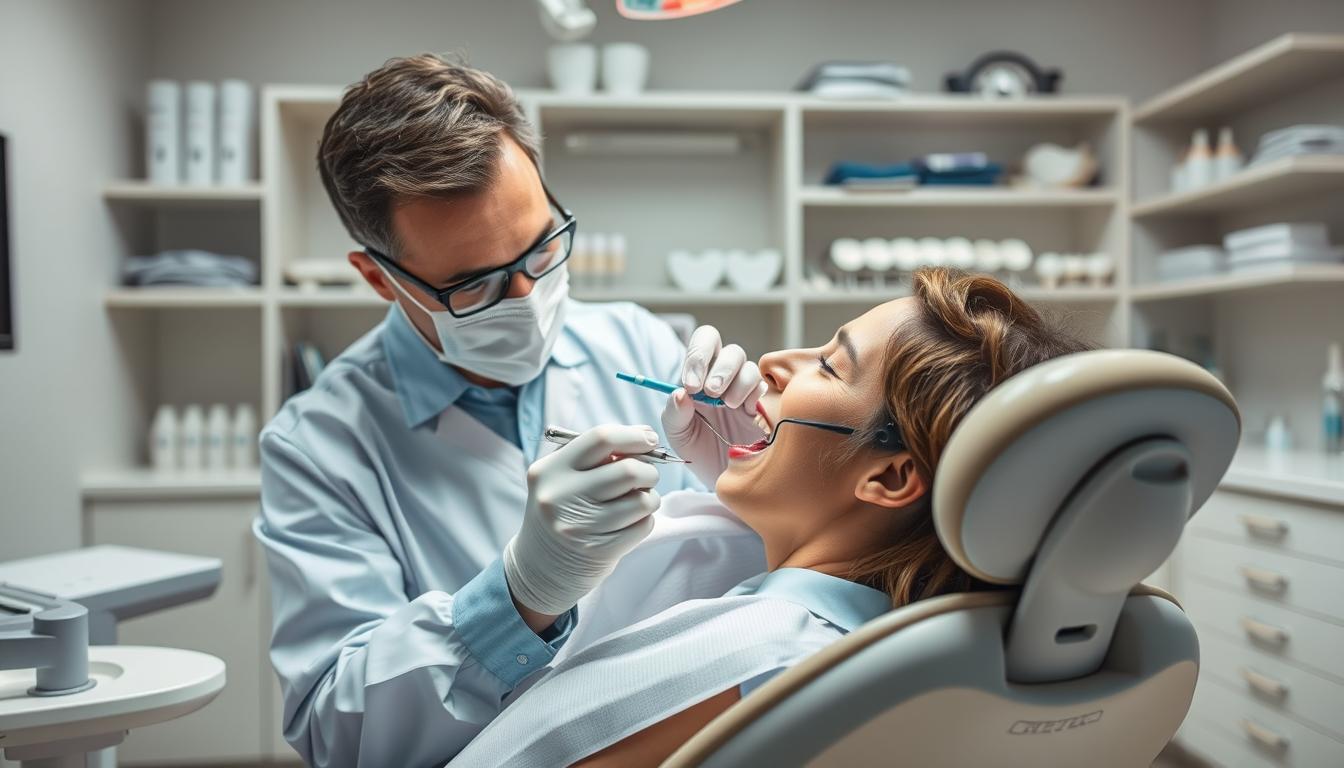
In the U.S., 178 million people are missing at least one tooth. But, there’s hope thanks to dental implant technology. It’s important for success that each person gets checked to see if they’re a good fit. This means going through a detailed check-up to see if dental implants could work for them.
Determining if you’re right for dental implants is not just about dental health. It also looks at how you live and your overall health. The best fit is someone who doesn’t smoke, has healthy gums, and enough bone to support the implant. Yet, if you’re not a perfect match, like if you smoke or have less bone, there are options like mini dental implants.
Keeping your mouth clean is key. This includes brushing, flossing, and regular dentist visits. Good oral hygiene is critical for the implant’s success and longevity.
Key Takeaways
- The number of Americans with missing teeth highlights a significant demand for dental implant solutions.
- Proper candidate evaluation is vital for implant success, focusing on health factors and lifestyle.
- Non-smokers with good oral hygiene typically qualify as better candidates for dental implants.
- For those with inadequate bone density, mini dental implants can be a feasible alternative.
- Maintaining diligent oral hygiene practices post-implantation is essential for long-term success.
What Are Dental Implants?
Dental implants are a big leap forward in dental tech. They offer a long-lasting and good-looking option for people missing teeth. Knowing how they work and their advantages is crucial. This helps figure out if someone is right for dental implant candidacy criteria and if they are an ideal candidate for dental implants.
Definition of Dental Implants
Dental implants are permanent additions put into the jawbone, acting as fake tooth roots. They are usually made of titanium. This material gives a strong base for things like crowns, bridges, and dentures. By connecting with the bone, they stop the bone loss that can happen with tooth loss. This keeps the jaw and face’s shape.
Types of Dental Implants
There are two main kinds of dental implants: full-sized and mini. Full-sized implants work well for those with enough bone. They are a strong, long-term choice. On the other hand, mini dental implants are smaller. They fit cases where there’s not enough bone for full-sized ones. They are less invasive to put in.
Benefits of Dental Implants
Choosing dental implants comes with many upsides, affecting dental health and self-esteem. Important benefits are:
- Saving the jawbone structure and stopping the bone loss that comes with losing teeth.
- Keeping the natural look of the face and smile.
- Offering more comfort and better speech than traditional dentures.
- Boosting oral health because they don’t need changing nearby teeth like bridges do.
- Being long-lasting and sturdy, with most implants serving for life with right care.
These points are key in deciding if someone matches the dental implant candidacy criteria. They ensure implants make a big, lasting difference in oral health and function.

Understanding the Dental Implant Procedure
Getting dental implants starts with several important steps. Each one is key to making the treatment work well. We will dive deep into what happens from the first meeting to the recovery and aftercare.
Initial Consultation
The journey begins with checking if dental implants are right for you. At the first visit, doctors carefully screen patients for dental implants. This is important to see if implants will be good for your specific health. They use X-rays and 3D scans to understand your mouth and bones better.
Surgical Process
After careful planning, the next step is the surgery to place the implants. This is done with anesthesia to ensure accuracy. A small titanium post is put into the jawbone. This part is vital for the implant to bond with the bone, making a strong foundation for the new tooth.
Recovery and Aftercare
The healing period requires following doctor’s orders closely. This helps the healing go smoothly. You will learn how to look after your implants and what to eat to help heal. It’s also important to have regular check-ups to watch how the implant is healing.
Knowing about each part of the dental implant process helps patients make informed choices. By understanding everything from the initial check-up to careful aftercare, you can take an active part in your treatment, helping it succeed.
Factors That Determine Candidacy
Determining who qualifies for a dental implant includes looking at key factors. These not only decide if dental implants are possible but also influence how well they work over time. Let’s delve into what’s needed to see if someone can get dental implants.
Age and Dental Health
Age isn’t a barrier for dental implants, but dental health is crucial. Both younger and older people need healthy gums and no gum disease to be eligible. A stable and healthy mouth is essential for the implant’s success.
Bone Density and Structure
The state of the jawbone is crucial for implant candidates. Strong bone density and structure provide the necessary support for the implant. This makes checking bone density a key step before surgery.
Oral Hygiene Practices
Good oral hygiene is important before and after getting an implant. Candidates need to show they can keep their mouths clean to avoid infections and ensure their implants last. This includes regular brushing, flossing, and dental visits.
| Factor | Description | Importance |
|---|---|---|
| Age and Dental Health | Assess general dental health and gum condition. | Essential for determining implant success. |
| Bone Density | Measure the quality and quantity of jawbone. | Crucial for implant support and longevity. |
| Oral Hygiene | Evaluate daily dental care routines. | Important to avoid complications post-surgery. |
Medical Conditions Impacting Candidacy
When checking if someone can get dental implants, we must look at their health. Some health problems can make the surgery or healing harder. So, a dentist needs to check everything carefully.
Diabetes and Heart Disease: People with diabetes or heart disease that’s under control might still get implants. But, these health issues need to be watched closely. If not managed well, they could lead to problems during or after the surgery.
Autoimmune Disorders: These health problems can slow down healing. This makes it harder for the implant to attach to the bone. Patients with these issues need their health to be stable to be good candidates for implants.
Smoking and Its Effects: Smoking can harm your mouth health and increase the chance of implant failure. It’s best for smokers to stop smoking. This can help the surgery go better and fit the candidacy criteria for implants.
| Condition | Impact on Dental Implant Candidacy | Recommendations |
|---|---|---|
| Diabetes | Potentially increases risk of infection and delays healing | Control blood sugar levels and consult with endocrinologist |
| Heart Disease | Risks related to anesthesia and post-surgical infections | Cardiac evaluation and clearance prior to surgery |
| Autoimmune Disorders | May impair post-operative healing and integration | Stable disease condition and tailored post-operative care |
| Smoking | Inhibits blood flow, reducing healing capacity and implant survival rate | Smoking cessation ideally weeks before surgery |
Knowing and managing these health conditions is crucial for getting dental implants. Making informed choices with your dentist can really help your implants last a long time.
The Importance of a Comprehensive Evaluation
Finding out if you’re right for dental implants involves a detailed check-up. This makes sure patients are a good fit and increases the chance of success. We will talk about what goes into a full check-up for dental implants.
X-rays and Imaging
Tools like X-rays and 3D scans are key in looking at the bone where the implant goes. These pictures give important info to help plan where to put the implants. Getting the imaging right means implants can be placed accurately, which is crucial for the procedure to work well.
Dentist’s Assessment
The dentist’s role in this process is really important. They look at your health and dental history to spot any risks or conditions that could impact the implant process. It’s a must-do step to make a treatment plan that is both safe and works for you.
Personalized Treatment Plan
Everyone’s oral health needs and what they want to look like are different. So, a custom-made treatment plan is created just for you. This plan includes everything from how the procedure will go, how long recovery might take, to how to take care of your implants.
Here is a table to show what’s looked at during the evaluation for dental implants:
| Assessment Area | Purpose | Tools Used |
|---|---|---|
| Bone Density and Quality | To determine the viability of the bone structure for hosting an implant | 3D Imaging, X-rays |
| Medical History | To identify any conditions that might affect implant success | Patient Records, Consultations |
| Oral Examination | To assess current oral health and plan the treatment | Visual Inspection, Digital Scans |
| Aesthetic and Functional Needs | To ensure the implants meet the patient’s visual and functional expectations | Consultation, Pre-treatment Planning |
By combining detailed imaging, careful dentist evaluations, and custom plans, patients can feel more confident about getting dental implants. This thorough approach helps ensure not only the success of the procedure but also keeps patients happy with the results.
Alternative Options to Dental Implants
Dental implants are great for many, but not everyone can get them. Sometimes, bone density, health issues, or money problems may get in the way. Because of this, looking at other dental restoration options is a good idea. Knowing the differences helps people decide what’s best for them.
Dentures and dental bridges are common choices besides implants. Each has its own pros and cons, especially when compared to implants. Knowing these differences helps both patients and dentists make the right choice for each case.
- Pros: Dentures are less pricey than implants and easy to make. They can be taken out, fixed, or changed easily without surgery.
- Cons: Dentures might not stay in place as well as implants which can make eating or talking hard. They need to be cleaned daily to avoid infections and don’t feel as real as implants.
Dental Bridges: When to Consider
- Dental bridges work best when some teeth are missing but the ones around them are healthy. They use the healthy teeth to hold a fake tooth in the missing spot.
Comparisons with Implants
| Feature | Dental Implants | Dentures | Dental Bridges |
|---|---|---|---|
| Longevity | Can last a lifetime with good care | 5-7 years | 10-15 years |
| Cost | Costs more at first | Less expensive but might need more later | Costs a moderate amount, varies by size and materials |
| Procedure | Needs surgery to place | No surgery needed | Just a little surgery required |
| Impact on Adjacent Teeth | Doesn’t affect nearby teeth | Doesn’t affect nearby teeth | Adjacent teeth must be modified |
| Aesthetic and Functional Feel | Feels the most real | Feels the least real | Feels pretty real, but not as much as implants |
When looking at dental implants and other options, it’s important to see how they match different needs. Dentures are a good, wallet-friendly choice, while bridges are a bit more expensive but feel more real. The decision should be based on what the patient needs, their health, and what they prefer.
The Cost of Dental Implants
Looking into dental implants means knowing the costs involved. We’ve broken down the expenses, insurance coverage, and payment options to help you decide.
- Initial Consultation: This first step includes exams and X-rays to check if you’re a good candidate.
- Surgery Costs: This covers what the dentist charges for the implant procedure and any needed prep work.
- Materials: The cost for the implant posts, the connecting pieces, and crowns.
- Additional Procedures: Extra costs for things like bone grafts or sinus lifts, if they’re needed.
Insurance Coverage Options
- Many dental plans don’t cover implants because they see them as cosmetic. But, you might get help with things like crowns.
- Check with your dental implant insurance coverage to see what’s covered in your plan.
Financing Solutions Available
- Medical credit cards: Made for healthcare costs and often have beneficial payment terms.
- Payment plans: Some dental offices let you pay off implants over time.
- HSAs or FSAs: Use these accounts for eligible expenses and save with pre-tax dollars.
Dental implants are a big choice for your wallet and your health. With the right payment plan, the price becomes easier to handle. Always talk to a dental pro about dental implant costs and payment options that work for you.
Preparing for Dental Implant Surgery
Getting ready for your dental implant surgery is important. You need to follow certain steps to make sure everything goes well. This includes taking care of yourself before the operation to help your body heal faster afterwards. Here’s what you need to do, from eating right to getting mentally prepared.
Pre-operative Instructions
Your dentist will give you specific instructions to prepare for the surgery. You’ll need to:
- Avoid certain medications that might make you bleed more.
- Not eat anything from midnight before your surgery.
- Have someone ready to drive you home because you’ll be too groggy.
- Quit smoking in advance to recover better.
Importance of a Healthy Diet
Eating well before your surgery is crucial. Good nutrition helps you heal and fights off infections:
- Eat lots of protein to help your body make new cells and blood.
- Get plenty of Vitamin C and Vitamin A to strengthen your immune system and skin.
- Drink a lot of water to keep your blood flowing and heal fast.
Mental Preparedness
Being mentally ready is just as important as the physical prep. Knowing what to expect can lower your stress. You should:
- Talk about any worries with your dentist or surgeon to understand the surgery better.
- Try meditation or deep breathing to calm your nerves.
- Arrange your home and schedule for a stress-free recovery. Make sure you can rest a lot.
| Nutrient | Benefits | Recommended Foods |
|---|---|---|
| Protein | Aids in tissue repair and immune function | Chicken, fish, eggs, and legumes |
| Vitamin C | Important for collagen formation and immune defense | Citrus fruits, strawberries, bell peppers |
| Vitamin A | Supports skin health and counteracts infection | Carrots, sweet potatoes, kale |
Risks and Complications of Dental Implants
Dental implants can change lives, but it’s important to know the risks and complications. Knowing these helps manage expectations well.
After getting an implant, an infection could slow healing, or the body might reject the implant. Talking openly with your dentist can help set the right expectations and get ready for any issues.
| Complication | Possible Cause | Management Strategy |
|---|---|---|
| Infection | Poor oral hygiene, contamination during surgery | Antibiotics, proper oral care post-surgery |
| Implant Failure | Inadequate bone support, improper surgical techniques | Thorough pre-surgical assessment, use of bone grafts if necessary |
| Peri-implantitis | Similar to gum disease, it’s an inflammatory response | Routine dental check-ups, specialized cleanings |
To lower the risks with dental implants, a solid check-up before surgery is key. Knowing the potential problems helps in dealing with them better and leads to successful results.
How to Maintain Dental Implants
Keeping your dental implants healthy is key to making them last longer. Proper dental implant maintenance doesn’t just make them last longer. It also makes sure they work like real teeth. Here, we’ll talk about important dental implant aftercare practices and tips for extending dental implant longevity.
Post-surgery Oral Hygiene
Right after surgery, how you care for your mouth is very important. It helps your implants succeed and stay stable for a long time. You need to brush gently twice a day and floss every day.
Using an antibacterial mouthwash is also critical to avoid infections that might harm your implants.
Routine Check-ups
Going to the dentist regularly is a must to keep your dental implants healthy. At these visits, the dentist checks your implants and the areas around them for any problems. Early detection and treatment of possible issues are key reasons why these check-ups are vital for dental implant maintenance.
Lifespan and Care Tips
To help your dental implants last longer, steer clear of chewy and hard foods. These foods can put too much pressure on your implants. It’s also good to stop smoking since it lessens blood flow to the gums. This increases the chance of implant failure.
Getting a night guard made if you grind your teeth can help too. It protects the implants from too much stress.
Summing up, taking good and regular care of your dental implants is vital. Following these care tips can lower the chance of problems. This helps your dental implants last longer and be more successful.
Success Rates of Dental Implants
Many people look for a fix to missing teeth and often think about dental implants. They learn about dental implant success rates and how to check if implants are doing well. This shows good results for those thinking about getting them.
Factors Influencing Success
A few key things greatly affect how well dental implants work. The health of the patient is very important, including their mouth and overall health history. How strong and healthy the bone is matters too, and taking care of the implant after surgery is key.
Patient Testimonials
People who have gotten dental implants often talk about how much better their lives are. They say their teeth look and work better. These stories usually show that many people are really happy with their implants.
Long-term Satisfaction Rates
Studies that check on patients after a long time show that implants work well and keep people happy. This kind of info helps us know how successful implants can be after they’ve been in for a while.
In the dental fixing world, new technologies and tough checks mean implants often do really well. For anyone thinking about getting implants, this information is a good guide on what to expect.
Conclusion: Are You a Candidate for Dental Implants?
Finding out if you can get dental implants is not simple. It means checking your overall health, how good your oral hygiene is, how dense your bones are, and your lifestyle. Dental implants are a top solution for missing teeth because they last long and work well. But, you should really know what getting implants means, including the good and the bad.
Final Thoughts
Dental implants are a big step forward in fixing teeth, but they’re not right for everyone. Their success largely depends on careful planning. This planning looks at your health and dental history. Anyone thinking about implants should look closely at what affects their chances of success.
Consulting a Dental Professional
Talking to a trusted dentist is the first important step if you’re considering implants. This talk helps you get tailored advice about if implants are right for you. You and your dentist will look at tests and talk over the pros and cons to make a smart choice about your dental care.
The Next Steps in Your Dental Journey
If you’re a good fit for implants, the next step is a detailed consultation. This appointment is key to making a treatment plan just for you. It starts you on the path to getting back a smile that looks and feels great, thanks to the latest in dental science.