Eating & Drinking After Dental Cleaning: Timeline
Nearly 100 million adults in the United States skip dentist visits each year. This shows a big gap in oral care, even after a cleaning. People often wonder what to do next.
Some feel mild gum tenderness or enamel sensitivity after a cleaning. This makes them ask, “How long can I eat or drink after?” The answer is important because it affects your oral health.
Key Takeaways
- Waiting helps soothe gums and reduces discomfort.
- Soft foods are often gentler right after a cleaning.
- Hot beverages might irritate sensitive tissue.
- Following dentist advice supports faster recovery.
- Smart choices keep enamel strong and healthy.
Understanding Dental Cleanings
Keeping your teeth healthy is more than just brushing and flossing. A dental cleaning removes plaque from hard-to-reach places, stopping decay. This guide shows how a simple visit can keep your mouth healthy for a long time.
What Happens During a Dental Cleaning?
Dentists or hygienists use special tools to get rid of tartar and tough buildup. They polish surfaces to keep debris away. Many people find this makes their teeth feel smoother.
Benefits of Regular Dental Cleanings
- Reduces the risk of gum inflammation
- Helps detect minor issues before they worsen
Common Procedures Involved in Cleaning
A typical cleaning might include fluoride or sealants, depending on your needs. Catching problems early is key to good oral health.
“Prevention is the key to strong oral health and minimal dental complications.”
| Procedure | Purpose |
|---|---|
| Scaling | Removes hard plaque to prevent decay |
| Polishing | Smooths enamel for a cleaner feel |
Immediate Aftercare
After dental cleaning, your mouth needs a little time to adjust. Gums might feel tender, and teeth may react to hot or cold drinks. Taking it easy with your mouth helps keep your teeth and gums healthy.
Importance of Post-Cleaning Care
Healing your mouth after a cleaning is simple. Use a soft toothbrush and warm, salty water to clean. This gentle approach helps protect your teeth from damage. Making these small choices helps keep your mouth healthy for a long time.
Sensitivity Issues After Cleaning
Teeth might feel a bit sore or tender after a cleaning. But this feeling usually goes away fast. Using a soft toothbrush and giving your teeth time to adjust can help.

- Stick to lukewarm liquids for a calming effect.
- Avoid hard foods to protect gums.
- Watch for persistent soreness that lasts beyond a day.
| Action | Benefit |
|---|---|
| Soft-Brushing Technique | Reduces abrasion risk |
| Rinsing with Salt Water | Calms sensitive tissue |
Recommended Waiting Period
Teeth might feel sensitive after a cleaning. This can affect what you eat and drink. Treatments like fluoride varnish need time to bond with your teeth.
How Long to Wait Before Eating?
Fluoride varnish needs about 30 minutes to set. This time lets it stick to your teeth better. It also helps protect your enamel.
Skipping fluoride means you can eat right away. But, it’s best to avoid hard or sticky foods. This helps keep your teeth clean and comfortable.
How Long to Wait Before Drinking?
Drinking water is okay soon after. But, avoid drinks that stain or are acidic. They can weaken the fluoride’s protection.
Waiting 30 minutes is a good idea for full protection. Eating and drinking in moderation helps your teeth stay clean and healthy.
Types of Foods to Avoid
Teeth need gentle care after a cleaning. Choosing the right foods helps protect sensitive enamel and avoid irritation. A balanced diet is key to keeping oral tissues safe and supports a smooth recovery after dental cleaning.
Hard Foods That May Cause Discomfort
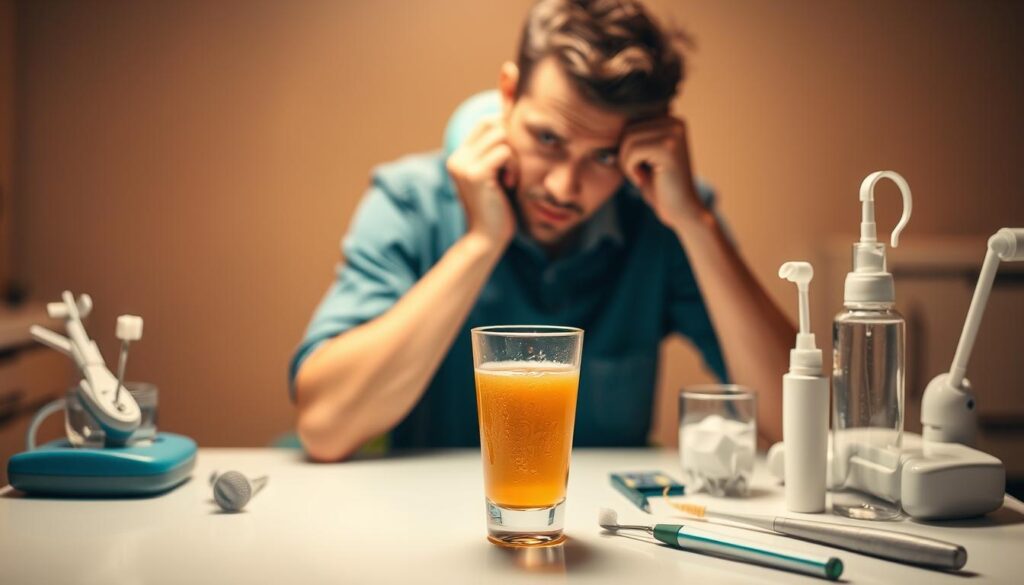
Hard textures can hurt newly cleaned teeth. Crunchy snacks like nuts or raw veggies can cause sharp pains. Small pieces might get stuck, making it hard to keep teeth smooth.
Sugary Foods and Their Impact
Sticky candies and sweet pastries can harm polished enamel. They speed up bacterial growth, undoing the cleaning’s benefits. Cutting down on these sweets is important for oral health.
Hot Foods and Beverages to Steer Clear Of
Very hot soups or drinks can make teeth sensitive. Heat can expand dental tissues that are not fully healed. Choosing mild foods helps teeth stay strong and healthy after a cleaning.
Drinks You Should Avoid
Many people feel refreshed after a cleaning, but what they drink can affect their mouth. Some drinks can harm tooth enamel or cause sensitivity.
Acidic Beverages Post-Cleaning
Soda, citrus juices, and sports drinks can make your mouth more acidic. This can harm the enamel that’s just been polished. Drinks like cola or lemon juice can weaken enamel, making it more sensitive.
Drinking water helps keep your mouth balanced. It’s important for your dental health after a cleaning.
Caffeinated Drinks and Mouth Sensitivity
Coffee, energy drinks, or teas can irritate sensitive gums. Drinks like Starbucks or Red Bull can also grow bacteria. Rinsing with water or using a gentle mouth rinse can help keep your mouth comfortable.
| Drink Type | Potential Issue |
|---|---|
| Coca-Cola, Pepsi | High acidity that may erode enamel |
| Black Coffee, Energy Drinks | Teeth sensitivity and possible bacterial imbalance |
Safe Foods to Consume
After a professional polish, your mouth might feel sensitive. Choosing soft meals helps keep you comfortable. Foods with soft textures and mild temperatures aid in a smooth recovery.
Soft Foods Suitable for After Cleaning
Light dishes protect your gums and reduce discomfort. Here are some good choices:
- Yogurt for its soothing texture.
- Scrambled eggs to promote protein intake.
- Mashed vegetables that provide nutrients without strain.
Mild soups, served at a moderate temperature, also help in recovery. This shows the importance of gentle nourishment.
Hydration Tips Post-Dental Appointment
Drinking water is key after a dental cleaning. It helps flush out bacteria and keeps tissues moist. Staying hydrated is essential for maintaining oral health and extending the benefits of a thorough cleaning.
Effects of Eating Too Soon
Dentists say it’s important to wait a bit after a cleaning. This lets fluoride and sensitive sealants work properly. Eating too soon can mess with these protections, harming oral health in the long run.
Potential Side Effects of Immediate Eating
Some people feel discomfort or tenderness. Crunchy or sticky foods can damage new protections. Common problems include:
- Dislodging fluoride applications
- Increased tooth sensitivity
- Lingering gum irritation
Risks of Infected Gum Tissue
Minor gum inflammation is more at risk with food. Bacteria can easily get in and harm healing. Rinsing often and waiting before eating helps. This keeps oral health safe and supports lasting results after a cleaning.
Professional Recommendations
Experts say to take it slow when deciding when to eat or drink after a cleaning. This helps keep protective agents on your teeth and avoids irritation. If you have gum problems, be extra careful to protect healing areas.
Getting advice starts with a detailed talk at your dental visit. Your dentist will look at your risk factors and how sensitive your teeth are. Some people can eat soft foods right away, while others need to wait longer.
Dentist Advice on Eating and Drinking
Clinicians give simple tips for a smooth recovery:
- Eat balanced meals with soft textures to reduce friction on sensitive spots.
- Rinse as directed if a fluoride treatment was applied.
Individual Differences to Consider
Every mouth is different. If you need periodontal care, your dentist might recommend special toothpaste. Those with healthy teeth might go back to normal habits faster. Dentists say a personalized plan is key for comfort and success.
Importance of Timing
Scheduling is key for those who want to keep their teeth shiny. A break lets protective coatings settle before eating. This helps your teeth stay healthy for longer.
Why Timing Matters After a Cleaning
After a cleaning, your gums might feel sensitive. Waiting a bit before eating helps them feel better. It also protects your teeth from damage.
Tips for Scheduling Your Meals
Getting an early appointment helps you avoid eating too soon. This lets the treatments work better. Waiting at least an hour helps your teeth heal faster.
Pediatric Considerations
Early dental cleanings shape lifelong oral health habits. Kids need gentle methods that don’t hurt their teeth or make them anxious. Teaching them to brush well starts with these visits.
Guidelines for Children After Cleanings
Watching over your child’s teeth at home is key. Here are some tips:
- Give them soft, healthy foods like applesauce or mashed bananas
- Use a soft toothbrush for gentle brushing
- Wait a bit before letting them have sugary snacks
Managing Child Comfort Post-Cleaning
After a cleaning, kids might feel a little sore or worried. Try giving them lukewarm drinks and keep things calm. Being supportive and positive helps them want to take care of their teeth.
Special Cases
Some patients feel pain after a routine cleaning. They might need special care to keep their teeth and gums healthy. Using certain products and changing their diet can help ease pain and speed up healing.
Considerations for Patients with Sensitive Teeth
People with sensitive teeth find relief with special toothpaste. Brands like Sensodyne and Colgate Sensitive protect their teeth from sudden temperature changes. It’s best to avoid very cold or hot foods and drinks right after treatment.
Using a soft-bristled toothbrush and gentle rinsing can also help. This makes brushing and rinsing less painful.
Recommendations for Gum Disease Patients
Those with gum disease may need more treatments, like scaling and root planing. To heal, they should eat carefully. Avoiding spicy or rough foods is important.
Dentists suggest using gentle mouthwashes and regular check-ups. This helps keep the gums healthy and prevents further problems.
| Condition | Food Guidelines | Care Tip |
|---|---|---|
| Sensitive Teeth | Limit extreme temperatures, select softer meals | Use desensitizing toothpaste and gentle brushing |
| Gum Disease | Avoid coarse or spicy cuisine during healing | Follow periodontal maintenance schedule |
Long-Term Oral Health Implications
Good habits now can protect your teeth and gums for years to come. Eating right and visiting the dentist often are key. The American Dental Association says brushing and flossing daily helps keep your teeth clean between visits.
How Your Diet Affects Oral Hygiene
Too much sugar and starchy foods can harm your teeth. They can weaken the enamel and make gums sore. A better diet includes:
- Fresh produce that boosts saliva flow
- Calcium-rich dairy for stronger tooth enamel
- Lean proteins that aid tissue repair
Importance of Continuing Care
Regular dental visits and good home care are essential. They help prevent problems like gum disease and tooth decay. By following these simple steps, you can keep your teeth and gums healthy and your smile bright.
FAQs About Eating and Drinking
Many people want clear answers after a dental cleaning. They worry about hot or cold drinks and if coffee or wine can stain their teeth. Quick answers help clear up confusion and keep teeth looking good.
Common Questions After a Cleaning
Patients often ask about hot liquids or crunchy foods. A fluoride treatment needs at least 30 minutes before drinking or eating. This wait helps strengthen your teeth.
Many follow these tips to avoid stains:
- Wait on acidic drinks to avoid irritation.
- Rinse gently if you want coffee or tea right away.
- Choose toothpaste your dentist recommends for extra support.
Addressing Concerns Quickly
Quick answers make people feel more confident. Dental teams say to ask any questions to a trusted dentist. Eating mild foods and avoiding strong flavors helps the healing process.
Dental Products and Timing
Space between dental routines is key for enamel protection. Brushing and flossing gently protect the gums, which is important for those with sensitivity. This lets fluoride varnishes bond well without being interrupted.
When to Use Mouthwash After Cleaning
A fresh polish leaves a thin fluoride layer. Rinsing right away could wash it away. Dentists from the American Dental Association suggest waiting a bit.
This wait lets fluoride strengthen the teeth. After, a mild mouthwash like Listerine Zero or Crest’s fluoride mouthwash is okay.
“Patients benefit from holding off on rinses for at least 30 minutes after a fluoride application.”
Appropriate Timing for Dental Products
Timing your daily dental care right can lead to better results. Here’s a good order:
- Brush with a soft-bristled brush to limit gum stress
- Wait a bit before flossing delicate areas
- Use a suitable rinse once the varnish is set
This order helps keep enamel healthy, reduces pain, and boosts the effect of each treatment.
Recap on Eating and Drinking
After a dental cleaning, taking care of your mouth is key for long-term health. The timing of eating and the types of food you choose can affect your teeth. Many wonder how to protect their enamel and ease soreness. A careful plan can make a big difference.
Summary of Key Points
• Check if fluoride or sealants were applied before eating
• Avoid biting into hard snacks that irritate tender gums
• Hold off on acidic drinks to protect tooth surfaces
• Opt for cool, softer meals to ease any lingering sensitivity
Final Tips for Post-Appointment Care
Choosing soft foods helps your mouth heal and feel better. Avoiding very hot or cold drinks is also a good idea. Once your mouth feels better, you can start eating crunchy foods again. Talking to your dentist regularly helps you follow the best care plan for your teeth.
Here’s a quick guide to help you avoid discomfort:
| Item | Recommended Wait Time | Reason |
|---|---|---|
| Soft Foods | 30 Minutes | Gentle on Gums |
| Hot Drinks | 60 Minutes | Reduces Sensitivity |
| Acidic Beverages | 90 Minutes | Protects Enamel |
When to Contact Your Dentist
Many people feel better after a dental cleaning. You might feel a little ache or notice some gum tenderness. Some see a bit of bleeding when brushing. But, these signs usually get better on their own.
Signs You Should Call After a Cleaning
If the soreness doesn’t go away after a few days, call your dentist. If you see a lot of bleeding or swelling, it’s a sign of something serious. Also, if eating hurts a lot, it could mean an infection or damage.
Seeing your dentist early can stop gum disease and keep your mouth healthy.
Importance of Follow-Up Care
Regular check-ups can find problems early. The American Dental Association says you should get two cleanings a year. This helps prevent cavities and plaque.
The Mayo Clinic says to see your dentist right away if symptoms get worse. Keeping up with dental care keeps your smile healthy and pain-free.