Are Composite (White) Fillings as Strong as Silver Amalgam Fillings?

Every year, the U.S. sees about 175 million tooth restorations with composite or amalgam. But is one stronger than the other? The dental world is slowly moving towards white fillings because they look good and work well. However, white fillings might not last as long as silver ones. Silver fillings have been the go-to for strength for a long time.
Choosing between composite and silver fillings can be tough. Each has its pros and cons. Composite fillings match your teeth but might not last as long. Silver fillings last longer but don’t blend in as well.
The cost can sway people towards silver fillings since they’re cheaper. Yet, the debate on which is better, composite or silver fillings, is still alive. Even with mercury concerns, silver fillings are considered safe after many studies and years of use.
Making the right choice needs advice from a dental expert. This discussion aims to clear up the debate on composite VS silver fillings. It looks at their strength, lifespan, and safety to help patients and doctors decide.
Key Takeaways
- Composite fillings offer aesthetic benefits but may require more frequent replacements than amalgam.
- Silver amalgam fillings are known for their strength and longevity, especially in teeth exposed to high chewing forces.
- Financial considerations can influence decision-making, with amalgam fillings generally being less costly.
- Safety concerns around mercury in amalgam fillings are mitigated by numerous research studies validating their safe use over many years.
- Patients should engage with dental experts to make informed choices about the most suitable filling material for their particular needs.
Overview of Dental Fillings
The world of dental fillings offers many materials and ways to fix decayed teeth. There are big differences in durability, looks, and how long they last. Knowing about composite fillings and silver amalgam fillings helps dentists and patients choose wisely for better oral health.
Composite Fillings: They match the color of teeth well, made of a mix of plastic and glass. They look good and work well for fixing teeth. Best for small to medium holes in teeth, they withstand chewing well. They’re great for teeth that people can see.
Amalgam Fillings: Famous for lasting a long time, these fillings mix metals like silver and mercury. They’ve been used for over 100 years due to their strength. Good for big cavities, but not as pretty. Still, they’re affordable and last long.
When looking at dental fillings, people think about looks and how long the filling will last. More people now choose fillings that look natural. This makes composite fillings more popular among those who care about looks and what’s in their fillings.
Strength Comparisons
Looking at the effectiveness of dental fillings, strength is key for oral health and work over time. There’s a big discussion about white vs silver fillings strength. It looks at how well these materials keep teeth healthy under different situations. We will explore the physical traits, factors, and test results of these materials.
Overview of Strength Characteristics
White composite fillings and silver amalgam fillings need to handle strong forces in the mouth. Amalgam, known for its toughness, especially in back teeth, is made from metals like silver and mercury. On the other hand, composite fillings are made from plastic and glass. They bond to the tooth, supporting it well. But, this makes some wonder if white fillings are strong like silver fillings.
Factors Affecting Filling Strength
Many things impact the strength and life of a dental filling:
- The material’s make-up affects how it wears and handles stress.
- Bigger fillings and those in chewing teeth face more stress.
- A good bond is key for composite fillings to be strong and seal well against the tooth.
Laboratory Testing Results
Recent lab tests look at white vs silver fillings’ strength. They mimic chewing and temperature changes to see how each filling type does in common mouth conditions. Findings show that although white fillings have gotten stronger, silver fillings still do better when there’s a lot of wear and pressure. So, when needing tough fillings for back teeth, are white fillings strong like silver fillings? The answer tends to be ‘no’, even though things are getting closer.
Durability of Fillings
Dental fillings need to last a long time for both dentists and patients. By looking at the longevity of composite fillings and the longevity of amalgam fillings, we can understand their durability. It’s crucial to consider the terms composite fillings resilience and silver amalgam fillings longevity when choosing the best filling.
Longevity of Composite Fillings: Composite fillings look good and last between 5 to 10 years. How long they last depends on oral hygiene, the filling’s position, and what you eat. Thanks to new technology, composite fillings are becoming tougher and more functional.
Longevity of Amalgam Fillings: Silver amalgam fillings, on the other hand, are super strong and can last 10 to 15 years or more. They are best for back teeth that do a lot of chewing. Their long life makes them a solid choice for fixing teeth for a long time.
Knowing how long these fillings last helps us make smart choices for dental treatments. Composite fillings are less harsh on teeth but don’t last as long as amalgam ones. It’s important to find the right balance of looks, use, and toughness when deciding on dental work.
Aesthetics and Dental Health
The link between how dental fillings look and our dental health is key when choosing them. The aesthetic value of dental fillings is not just about looking good. It also affects how confident we feel. The impact on dental health is just as important. Let’s explore how these two factors work together. This shows that choosing between composite and amalgam fillings is not just about looks. It also involves our dental health.
Visual Appeal of Composite Fillings
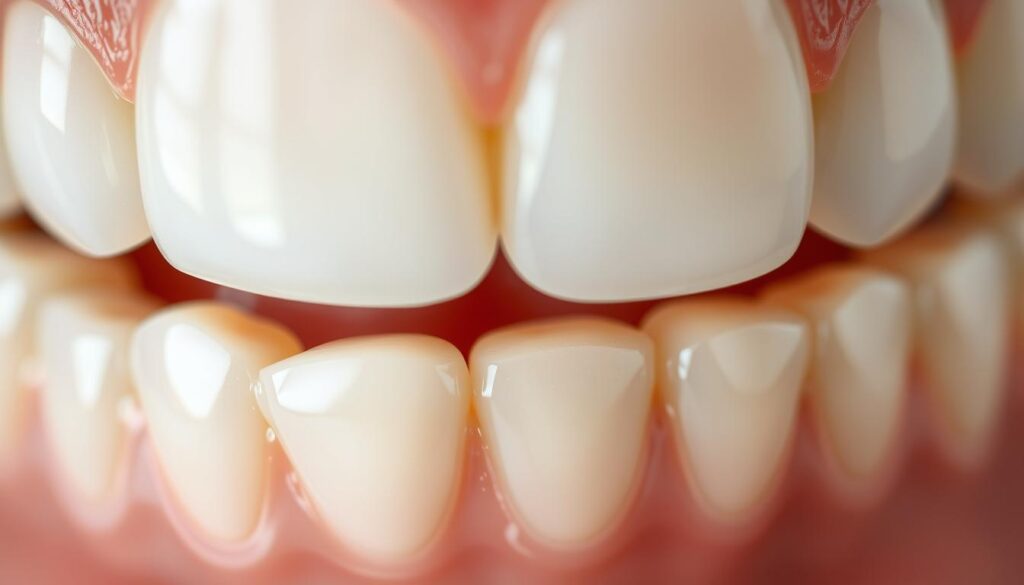
Composite fillings are loved for matching the natural color of teeth. They hide well, especially in the front teeth. This makes our smiles and overall look better. It also helps us feel more confident in social settings.
Thanks to new technology, these fillings not only match the look but also the luminosity of real teeth. They reflect light similarly. This lifts the aesthetic value of dental fillings even higher. It makes them the top choice for fixing front teeth.
Impact on Dental Health
The beauty of composite fillings is obvious, but their impact on dental health is big too. They need less of the tooth to be removed compared to amalgam fillings. Saving more of our natural tooth is key to keeping our teeth healthy for a long time.
The bond between the composite material and tooth enamel makes the tooth stronger. This helps to prevent further damage or decay. But, it’s key to remember that composites might need changing more often. They can stain and wear down over time.
Knowing these facts helps both patients and dentists make smart choices. They consider both the aesthetic value of dental fillings and their impact on dental health. This ensures the best decision for each unique situation.
Application Techniques
In dental care, how fillings are put in matters a lot. Dentists use different methods for composite and silver amalgam fillings. Each technique meets different needs, depending on the tooth’s condition and health needs.
| Technique | Description | Main Advantages |
|---|---|---|
| Composite Fillings Application | The dentist isolates the tooth and applies a resin in layers, which is then cured using a specific type of light. | More aesthetically pleasing, bonds directly to the tooth structure, preserving more of the natural tooth. |
| Silver Amalgam Fillings Procedure | A mix of metallic elements is directly placed into the prepared cavity and shaped to fit, hardening naturally without additional equipment. | Cost-effective and durable, less technique-sensitive, suitable for deep and large cavities. |

Where the filling goes affects if a dentist picks composite fillings application. Front teeth or spots you see when you smile often get this choice. It looks better. The silver amalgam fillings procedure is best for back teeth. It is simple and strong, which is great for those spots. Knowing these techniques helps dentists and patients decide together. This makes sure everyone knows what to expect.
Costs and Affordability
Selecting the right filling—composite or amalgam—is essential for people thinking about fixing their teeth. The cost-effectiveness of dental fillings plays a big part in this choice. It’s heavily influenced by how much dental insurance coverage for fillings there is.
| Filling Type | Average Cost | Insurance Coverage | Cost-Effectiveness |
|---|---|---|---|
| Composite Fillings | $135 – $240 | Limited to visible areas | Higher initial cost, better aesthetics |
| Amalgam Fillings | $110 – $200 | Extensively covered | More affordable, less aesthetic |
It’s not just about the initial price. Dental clients also need to think about how long fillings last. They should consider how they look, too. Amalgam fillings are tough and covered by a lot of dental plans. This makes them a good choice for many because they last a long time and save money. However, composite fillings blend in with your teeth but cost more. They are favored for front teeth due to their natural look.

When choosing between amalgam and composite fillings, think about looks and budget. Dental insurance coverage for fillings can help lower the costs of dental work.
Sensitivity and Comfort
After dental fillings are placed, it’s key to manage sensitivity and keep the patient comfortable. The kind of discomfort felt can vary, depending on if the filling is composite or amalgam.
Different fillings cause different types of sensitivity. For example, composite fillings may make your teeth sensitive to cold or sweets for a few weeks. Amalgam fillings might not like changes in temperature. This can cause the tooth to crack slightly. Understanding and dealing with these issues is vital after the filling is placed.
| Type of Filling | Sensitivity Issues | Typical Duration of Sensitivity |
|---|---|---|
| Composite Fillings | Sensitivity to sweets and temperatures | A few weeks |
| Amalgam Fillings | Reactivity to thermal changes | Can vary; occasionally long-term if microfractures occur |
To feel better after getting a filling, dentists suggest using special toothpaste for sensitive teeth. Also, try not to eat foods that are too hot or cold. If the pain lasts longer than it should, go see your dentist.

If your teeth still hurt a lot after a filling, talk to your dentist. This pain could mean the filling wasn’t done right, or there might be another issue. Going to the dentist quickly is important. It helps stop the problem from getting worse.
Advantages of Composite Fillings
Choosing composite fillings has a big plus: they match the color of your teeth. This gives a composite fillings visual benefits. The fillings are made to look just like your own teeth. This helps them blend in, especially in the front teeth or any place that’s easy to see.
Also, getting composite fillings is a process that saves more of your tooth. It doesn’t take away as much of your tooth as other fillings do. This means more of your natural tooth stays safe and strong. It’s a big win for your dental health over time.
| Feature | Benefit |
|---|---|
| Color Matching | Blends seamlessly with natural teeth for visual coherence |
| Tooth Structure Conservation | Limits the removal of healthy tooth material, preserving structural integrity |
Advantages of Amalgam Fillings
Amalgam fillings are a strong choice for big cavities in the dental world. They’re made mostly of metals like silver, tin, and copper. A little bit of mercury is added to mix these metals well.
These fillings are great at handling the forces of chewing. This is especially important for molars. Their strength sets them apart, offering long-lasting protection.
Here are some key benefits of these fillings:
- Enhanced Strength for Large Cavities: Amalgam is great when a lot of the tooth is gone. It supports the tooth well and can handle biting pressures.
- Superior Resistance to Wear: They’re very durable thanks to their metallic makeup. They last longer than many other options.
Amalgam fillings blend old dental practices with the need for lasting solutions today.
Disadvantages of Composite Fillings
Composite fillings look great and don’t have metal, but they’re not perfect. Key problems are composite fillings discoloration and composite limitations under pressure.
Composite fillings can change color over time. This happens if you drink coffee, tea, or use tobacco. The discoloration not only changes how they look. It also affects the filling’s strength.
When you bite down hard or often eat tough foods, composite fillings might not hold up. If you grind your teeth a lot, these fillings can break or not last as long. The composite limitations under pressure mean you might need to replace them more often.
| Factor | Impact on Composite Fillings |
|---|---|
| High bite pressure | Increased risk of cracks and fractures. |
| Dietary choices (e.g., coffee, tobacco) | Leads to discoloration over time, compromising aesthetic value. |
| Age of the filling | Older fillings are more prone to discolour and show wear. |
Before choosing composite fillings, it’s important to know these issues. This way, you can pick what’s best for your looks and dental health.
Disadvantages of Amalgam Fillings
Amalgam fillings are known for being long-lasting and affordable. However, they have downsides that affect how satisfied patients feel about them. The aesthetic downsides of amalgam and concerns about mercury in fillings are big reasons why some people might not choose them for fixing their teeth.
The biggest issue is how amalgam fillings look. Their shiny, metal appearance doesn’t match natural teeth, making them noticeable. People wanting their teeth to look natural might skip amalgam fillings. They prefer materials that don’t stand out.
Despite many health groups saying amalgam fillings are safe, people still worry about the mercury they contain. This concern comes from mercury being toxic and possible environmental harms. These worries make some people think twice about using amalgam fillings.
Choosing the right dental filling is important. Patients should consider how amalgam fillings look and their potential health risks. Knowing these points helps patients pick the best option for their health and cosmetic preferences.
Recommendations for Choosing Fillings
Choosing the right dental filling is a big decision. It’s important to know the factors that affect this choice. Getting advice from a dentist helps patients find the best filling for their needs.
Where the decay is and which tooth it affects are key. Front teeth might use composite fillings for looks, while molars need stronger fillings. Allergies, like to mercury in amalgam fillings, also matter.
- Financial Considerations: Money matters when picking a filling. Knowing what your dental insurance covers is key. Some plans pay for amalgam fillings but not composite ones.
- Aesthetic Preferences: If you want fillings that look natural, composite might be best. They match your teeth but cost more than amalgam fillings.
Dentists give advice based on many things. They consider functionality, looks, and health. They know your history and help choose the best for you.
To make a good choice, understand the details. Talk with your dentist about options. This leads to better health and a filling that fits your life.
Patient Experiences and Perceptions
Understanding patient satisfaction with fillings and their personal dental experiences helps guide dental treatment choices. Each interaction with dental care can influence a patient’s view and feelings about different fillings. Surveys and testimonials give us insights into these varied opinions.
Patient surveys show that decisions about dental fillings consider both immediate needs and future impacts. People often balance looks and function when choosing. While composite fillings look better, amalgam fillings are known for being strong and lasting longer. Also, things like eating habits and conditions such as bruxism play a big role in how happy patients are with their fillings.
Many prefer the natural look of composite fillings, but appreciate the durability of amalgam when I discuss their lifestyle needs relating to their dental health.
| Preference Factor | Composite Fillings | Amalgam Fillings |
|---|---|---|
| Aesthetics | Highly Preferred | Less Preferred |
| Strength & Durability | Moderately Preferred | Highly Preferred |
| Cost | Variable | Often More Affordable |
| Sensitivity Post-Procedure | Less Common | More Common |
Testimonials from patients show how much personal choice and oral health conditions matter when it comes to satisfaction with fillings. Some testimonials talk about the benefits of composite fillings, like how well they match tooth color. Others mention the reliability of amalgam fillings, especially for molars that get a lot of use.
Ultimately, individual circumstances and personal experiences with dental restorations shape patient satisfaction with fillings, leading to informed, tailored choices in dental care.
Scientific Research on Filling Strength
In the field of dental materials research, scientists have done lots of work to test how strong and lasting different dental fillings are. This important area of comparative analysis of filling materials includes studies with strict controls and others without, shedding light on how these materials work under various conditions.
Researchers often look at how and why composite resins and amalgam fillings fail. They also study their long-term reliability. Thanks to better formulas and ways of using composite resins, they’re now more effective. They’re closer to amalgam fillings in some cases.
- Overview of Relevant Studies: Recent studies focused on how often different fillings fail and their risk of causing more cavities.
- They found composite fillings fail about twice as often as amalgam ones.
- Composites also show a higher chance of developing more cavities.
- Key Findings: Despite some issues:
- Today’s composite resins work better, similar to traditional amalgams in some uses.
- No serious problems have been directly linked to using either type of filling right.
The research shows each material works best under certain conditions in dental procedures. The comparative analysis of filling materials talks a lot about choosing better composites. This helps avoid problems seen with older types.
Conclusion: Which Filling Is Stronger?
When picking the strongest dental filling, comparing composite fillings with silver amalgam fillings is key. The choice hinges on what the patient needs in terms of looks, function, and lastability.
Composite fillings look better but were once seen as less long-lasting than silver amalgam. Yet, new advances in dental science have made them much stronger. Silver amalgam fillings, on the other hand, are preferred for big cavities because of their strength and durability.
It’s crucial to think about the cavity’s needs and the patient’s wishes when choosing a filling. Talking with a dentist about each filling’s benefits is important. They can explain things like potential sensitivity, how strong the filling needs to be, and how it affects oral health over time.
Both filling types are good in their own ways. The choice often rests on the patient’s dental health and their dentist’s advice. This helps patients make informed decisions on the best filling material for their situation.
FAQs about Composite and Amalgam Fillings
Patients often have questions about the fillings used in dental care. They want to know about the strength, look, and health effects of composite and amalgam fillings. Knowing the details helps people choose what’s best for their teeth.
Commonly Asked Questions
People usually ask if composite fillings work for all cavities and if amalgam fillings are safe because they have mercury. They also wonder which filling lasts longer. They’re curious about the cost and if insurance covers them. Doctors provide clear answers to these questions, helping patients learn more about their options.
Practical Advice for Dental Care
Advice for caring for filled teeth includes good oral hygiene, regular dental check-ups, and watching for changes in fillings. Dentists recommend brushing twice a day with fluoride toothpaste, flossing often, and eating fewer sugary foods. Following these tips and keeping up with dental innovations can make fillings last longer and keep teeth healthy.