Can I Get a Dental Cleaning While I’m Pregnant?
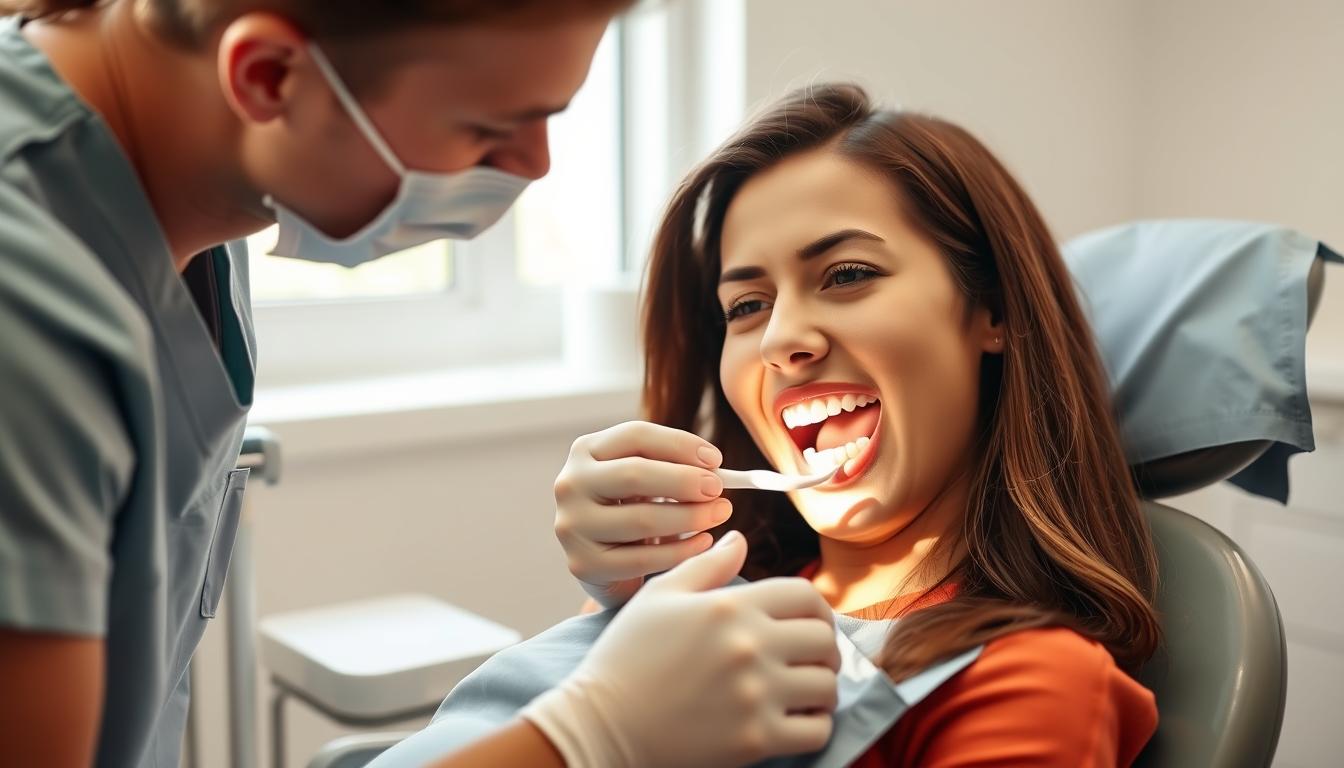
Did you know nearly 70% of expectant mothers get gum inflammation during pregnancy? This fact makes many wonder, “Can I get a dental cleaning while I’m pregnant?” Experts say routine cleanings are safe and prevent gum disease.
Keeping your mouth healthy during pregnancy is good for you and your baby. A dentist can spot gum disease early and fix dental problems. It’s as important as eating right and going to the doctor.
Key Takeaways
- Routine dental cleanings are safe at each stage of pregnancy.
- Gum inflammation is common and requires timely care.
- Professional cleanings lower the risk of serious infections.
- Early detection helps protect overall health for mother and baby.
- Regular dental visits are a core component of prenatal care.
Importance of Oral Health During Pregnancy
Expectant mothers often see changes in their mouth due to hormonal shifts. These changes can affect gums and teeth, impacting health long-term. Keeping up with brushing and flossing is key for a healthy experience for both mom and baby.
How Pregnancy Affects Your Dental Health
Hormonal changes can make gums swell and increase plaque risk. Morning sickness can also make mouth acidity higher, weakening teeth. Rinsing with water often helps. Taking prenatal vitamins with calcium can also strengthen teeth and improve oral health.
Common Oral Health Issues Pregnant Women Face
Gingivitis is a big concern because it can make gums bleed during cleaning. If left untreated, it can lead to more serious problems. Women who get regular dental checkups and cleanings often avoid these issues. Important steps include:
- Maintaining diligent oral hygiene
- Scheduling timely professional evaluations
- Discussing any unusual symptoms with a qualified provider
Safety of Dental Cleanings in Each Trimester
Regular dental checkups are key during pregnancy. Each trimester brings different challenges, but cleanings are safe and helpful. Doctors adjust schedules to fit each stage of pregnancy, keeping teeth and gums healthy.

First Trimester Considerations
Nausea, tiredness, and sensitivity might make some avoid dental visits. Doctors often book early appointments when nausea is less bad. A well-ventilated room and breaks can make the visit more comfortable.
Second Trimester Dental Visits
Energy levels and nausea improve in this trimester. It’s a good time for scaling and polishing. Patients might feel more comfortable lying back in the chair.
Third Trimester Guidelines
As the belly grows, adjusting the chair is important. Sitting up a bit helps avoid dizziness. Dentists trained in dental care during pregnancy make sure the chair is right and the visit is short. They pace the visit to keep you safe and comfortable.
Recommended Dental Procedures During Pregnancy
Expectant mothers need to take care of their teeth. A simple checkup is important for them. It helps find plaque and gum disease early.
This care keeps gums healthy and lowers the risk of problems.
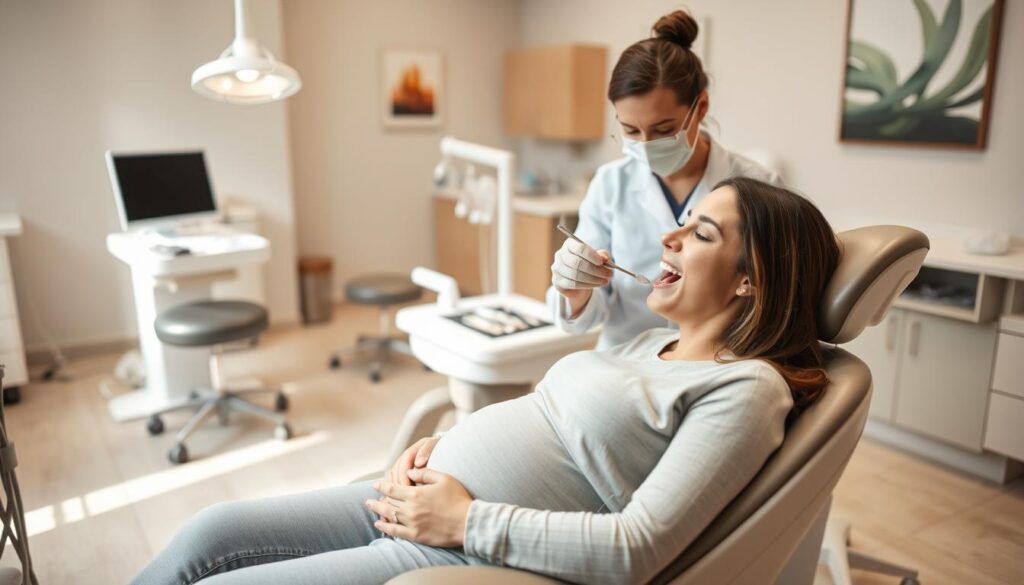
Routine Dental Cleanings
Safe dental care is key during pregnancy. It includes cleaning teeth and treating early gum disease. This stops bacteria from spreading.
Many local anesthetics are safe during pregnancy. Always talk to a dentist first.
Necessary Treatments for Gum Disease
For serious gum disease, deeper cleaning or special treatments are needed. These steps help avoid bigger health issues. Some people see less inflammation after these treatments.
| Procedure | Objective |
|---|---|
| Basic Cleaning | Eliminate surface plaque for healthier gums |
| Deep Scaling | Address deeper deposits to prevent progression |
| Periodontal Therapy | Minimize gum disease complications during pregnancy |
Risks of Postponing Dental Cleanings
Not getting dental cleanings can lead to plaque and gum inflammation. Many pregnant people avoid dental visits, but they are important. They help keep both mom and baby healthy.
Studies show that mouth infections can get worse with hormonal changes. This makes them a bigger concern.
Link Between Gum Disease and Pregnancy Complications
Untreated gum disease can lead to serious issues, like preeclampsia. Bacteria from gum infections can harm the mother. This can cause problems that outweigh the need to protect oral health during pregnancy.
Potential dangers include:
- Elevated blood pressure levels
- Possible preterm labor developments
Impact on Overall Health
Periodontal issues can spread beyond the gums. They can travel through the blood, increasing inflammation. Taking care of your teeth during pregnancy is a key step to protect your health and your baby’s.
Tips for Finding a Pregnancy-Safe Dentist
Expectant mothers look for dentists who know about pregnancy care. They want a dentist who uses special gear for pregnant patients. This makes dental visits safer and more comfortable.
Questions to Ask Your Dentist
Before you book an appointment, ask these questions:
- How often they see pregnant patients
- If they use lead aprons for X-rays
- If the clinic supports comfortable sitting
Importance of Maternal Dental History
It’s important to share your dental history with your dentist. This includes any allergies, medications, and past dental problems. This helps the dentist plan safe treatments for you and your baby.
| Essential Step | Benefit |
|---|---|
| Share Prenatal Health Reports | Tailors procedures to unique needs |
| Discuss Past Oral Issues | Helps anticipate challenges early |
Dental Cleaning Procedures Explained
Experts say it’s key to get regular dental checkups to catch problems early. This helps keep you healthy, which is even more important when you’re pregnant. Choosing the right dental care for pregnant women is all about keeping things safe and comfortable.

What Happens During a Dental Cleaning?
A hygienist uses special tools to clean your teeth. They remove tartar that brushing can’t get rid of. Then, they polish your teeth to prevent plaque from sticking.
Some people get fluoride treatments to strengthen their teeth. This is based on their dental history. Cleaning your teeth thoroughly helps your gums and teeth stay healthy.
They use suction and rinsing to keep everything clean. Sometimes, they use ultrasonic devices to gently remove tough deposits without hurting your gums.
Use of X-Rays While Pregnant
Modern X-rays use very low doses of radiation. They also use lead aprons and thyroid collars for extra protection. Catching problems early makes treatment easier and safer.
Waiting too long to get X-rays can be riskier than getting them early. This is true for pregnant women, where early dental care can prevent serious problems.
Anesthesia and Pain Management Options
Expectant patients often worry about pain during treatments. Clinicians carefully choose methods to keep mothers safe and comfortable. This approach is key in both pregnancy and dental care, making sure patients feel at ease.

Safe Pain Relief Methods
Doctors often use minimal sedation or local anesthetics to manage pain. They choose short-acting drugs to avoid harming the fetus. Sometimes, they even check with obstetric specialists to make sure they’re following the best guidelines.
Local Anesthesia vs. General Anesthesia
Local anesthesia is usually the first choice for most procedures. It numbs the area being treated and is safe. General anesthesia might be needed for longer treatments. Doctors carefully consider the risks to ensure the safety of both the mother and the baby.
Dietary Considerations for Pregnant Patients
Nutrition is key for healthy teeth and gums. A good meal plan helps keep teeth strong. Foods like dairy or fortified alternatives add calcium and protein, which are good for teeth.
Fresh fruits and vegetables give gums the vitamins they need. Choosing the right foods helps avoid sugar and acid. This is important during pregnancy.
Foods for Healthy Teeth and Gums
There are many foods that help keep your mouth healthy. Some important ones are:
- Low-sugar dairy products for calcium and vitamin D
- Lean proteins that help fix tissues
- Fresh produce with vitamins and antioxidants
Wait at least 30 minutes after feeling sick to brush your teeth. This helps protect your enamel. Rinsing with water first can also help.
Avoiding Harmful Dental Choices
Staying away from sugary snacks and drinks is good for your teeth. Drinks like soda or sweets can damage your enamel. Drinking milk, water, or low-sugar drinks helps keep your mouth clean and comfortable.
Oral Hygiene Recommendations for Expecting Mothers
Expectant mothers should stick to routines that keep their gums and teeth healthy. Getting a dental cleaning during pregnancy is a good idea. It helps keep enamel strong and prevents plaque buildup.
Daily Care Routines
Starting with good brushing and flossing is key. These steps help avoid gum problems and keep bacteria away.
- Use a fluoride toothpaste to reinforce enamel.
- Floss or employ interdental brushes to clean tight spaces.
- Rinse with an alcohol-free mouthwash to keep bacteria at bay.
Products Safe for Use During Pregnancy
Many toothpaste formulas are safe for pregnant women. Gentle mouthwashes also refresh breath without harming gums. This practice supports a smooth dental cleaning during pregnancy and keeps the mouth healthy throughout each trimester.
Influence of Pregnancy Hormones on Teeth
Hormone changes can affect how gums react to bacteria. This makes it key to keep up with dental care. Swollen or sensitive gums may show up, leading dentists to watch closely.
This careful watching is very important for pregnant women. It helps catch problems early, before they get worse.
How Hormones Affect Gum Health
Higher estrogen and progesterone levels can cause more blood flow to the mouth. This might lead to swelling. People might see bleeding when brushing or flossing.
Using fluoride toothpaste and soft-bristled brushes helps keep gums healthy. These steps are gentle and don’t hurt sensitive gums.
Pregnancy Tumors and Their Management
Some people get growths on their gums during pregnancy. These are usually harmless but can be uncomfortable or bleed. They rarely harm long-term health.
It’s best to keep an eye on them with regular dental visits. Sometimes, they need to be removed if they cause problems. This careful approach helps keep both mom and baby healthy.
Aftercare Following a Dental Cleaning
Keeping your mouth comfortable and strong is key to better oral health during pregnancy. Gentle care at home keeps the results of each cleaning going strong. Routines that protect your gums and reduce swelling can help a lot.
Managing Discomfort Post-Cleaning
Simple steps can help with mild irritation. Warm saltwater rinses can ease sore gums. Non-alcohol mouthwash gets rid of leftover bits without stinging too much. Dentists might suggest pain relievers like acetaminophen for extra help. Always check with your obstetrician to make sure the medication is safe for you.
- Rinse gently to avoid aggravation
- Use a soft-bristled toothbrush
- Monitor gum sensitivity or bleeding
| Tip | Purpose | Frequency |
|---|---|---|
| Saltwater Rinse | Calms inflamed gums | Once a day |
| Soft Brush Technique | Prevents gum scratches | Daily |
When to Contact Your Dentist
If you have a lot of bleeding or really bad pain, it might mean something serious. Seeing your dentist early can stop bigger problems. Getting help quickly keeps your mouth healthy and your mind at ease.
Addressing Common Myths About Dental Care and Pregnancy
Some people worry if dental work is safe during pregnancy. Studies show that with the right care, pregnant women can keep their teeth healthy.
Experts say pregnancy doesn’t mean you can’t take care of your teeth. They recommend regular cleanings and check-ups to keep you healthy.
Debunking Misconceptions
Some myths say anesthesia and X-rays are bad for the baby. But, the CDC and dental groups say modern tools are safe. They adjust the timing and amount based on the pregnancy stage.
The Importance of Accurate Information
Good sources help families know what’s true and what’s not. Talking openly with your dentist helps you make smart choices about your teeth. This way, you can trust in proven dental care.
| Myth | Fact |
|---|---|
| “All dental work is harmful.” | Experts agree standard procedures remain safe and beneficial. |
| “Anesthesia always impacts the baby.” | Modern sedation options follow strict protocols for pregnant individuals. |
When to Schedule Your Next Dental Cleaning
Keeping up with dental cleanings is key for pregnant women. It’s important to find a schedule that works for each trimester. Talking to a dentist can help adjust plans if gums are sensitive or if new issues arise.
Frequency of Cleanings During Pregnancy
Seeing a dentist every six months is a good rule. Hormonal changes can make gums more inflamed. If you notice signs of gingivitis, you might need to go more often.
Postpartum Dental Care Plans
After having a baby, hormones and habits can change. Having a dental plan for after pregnancy is smart. It helps catch any dental problems early, even when life gets busy. It also keeps you connected with your dentist for ongoing care.