Dental Implant vs. Artificial Tooth: Know the Difference

In the United States, three million folks have dental implants, and 500,000 more join them each year. This rising trend shows more people prefer implants to bring back their smiles and chewing ability. Deciding between a dental implant vs artificial tooth is key. This choice requires knowing the differences between dental implant and artificial tooth concerning their use, lasting period, and effects on dental health.
For a long time, artificial teeth were the quick and cheap choice for missing teeth. Yet, dental implants have become the gold standard in fixing teeth today. They are placed right into the jawbone, making them strong and well-blended with natural teeth. Due to advances in technology, telling an implant from a real tooth is hard. This makes dental implants more appealing than other options like bridges or dentures since they offer more benefits.
Key Takeaways
- Dental implants are experiencing a surge, with half a million cases added each year in the U.S. alone.
- Dental implants offer unparalleled natural appearance and function compared to traditional artificial teeth.
- The choice between a dental implant and an artificial tooth involves considering factors such as durability, comfort, and oral health impact.
- Implants are a testament to the advanced technical developments in dentistry, almost indistinguishable from natural teeth.
- Understanding the benefits and limitations of both dental implants and artificial teeth can guide patients to the optimal tooth replacement choice.
Understanding Dental Implants
Dental implants are key in today’s dentistry, solving tooth loss effectively. They’re defined dental implant definition and show how dental implants work. We examine their design and functionality of dental implants.
Definition of Dental Implants
A dental implant is a titanium post or frame, placed in the jawbone under the gum. This post holds replacement teeth securely, like crowns, bridges, or dentures.
How Dental Implants Work
Dental implants bond with the jawbone, a process called osseointegration. This bond makes the implants stable, letting them function like natural tooth roots. They don’t slip or harm the bone, helping to preserve the face’s shape and improve dental health.
The table below shows how dental implants differ from traditional tooth replacements:
| Feature | Dental Implants | Traditional Replacements |
|---|---|---|
| Integration with Jawbone | Yes (Osseointegration) | No |
| Protection of Remaining Teeth | Keeps the jawbone healthy and prevents bone loss | May cause more tooth loss |
| Stability While Chewing | Strong | Varies from Medium to Low |
| Maintenance | Take care of them like natural teeth | Requires specific cleaners and adhesives |
| Long-Term Oral Health | Gets Better | Could Get Worse |
A top expert in reconstructive dentistry shares, “The brilliance of dental implants is their simplicity. They mimic natural tooth roots, giving great functionality and lasting long.”
What Are Artificial Teeth?
Artificial teeth are key in fixing smiles for people who’ve lost teeth for various reasons. They come in different types, each with its purpose, giving a detailed look into how they match up with dental implants.
Different Types of Artificial Teeth
There are several kinds of artificial teeth, each aimed at a different need or preference. They include:
- Fixed dental bridges that are permanently attached to adjacent teeth
- Removable partial dentures, suited for patients missing some teeth
- Complete dentures for those who have lost all their natural teeth
These options offer easy and non-surgical ways to replace teeth, as opposed to dental implants.
Materials Used in Artificial Teeth
The materials chosen for artificial teeth affect how they look and work. Common choices include:
- Plastics, which are light and budget-friendly
- Metals used for their longevity and resilience
- Composite resins that blend beauty with strength
These materials help make false teeth that sit on the gums and look like real teeth.
Checking out dental implants can offer more insight into their value for teeth that can’t be saved. This helps understand their practical use.
It’s important for patients and dentists to know about these choices. Understanding the differences between implants and false teeth, along with the materials used, helps make the best decision for their dental health.
Key Differences Between Implants and Artificial Teeth
Knowing the differences between a dental implant and an artificial tooth is key. This knowledge is vital for making wise dental decisions. It helps understand how they impact your long-term dental health.
Functionality and Purpose
A dental implant works like a real tooth and goes into the jawbone. This protects the bone and keeps the face’s shape. On the flip side, artificial teeth, like dentures, rest on your gums and don’t protect your jawbone.
Thinking about dental implants versus artificial teeth, consider what you need. Implants are great for a lasting solution that doesn’t need much adjusting.
Longevity and Durability
Comparing implants and artificial teeth shows how long each can last. Implants, often made of titanium, can last a lifetime with the right care. They also fight decay and gum problems well.
But artificial teeth may wear out and need fixes or replacements. Even though artificial teeth materials have gotten better, they don’t last as implants do.
Looking at these points helps people and dentists choose well between dental implants or artificial teeth. It considers both short-and long-term health goals.
Understanding these key differences helps patients make informed choices. It also aims for the best oral health results with the right dental choices.
Advantages of Dental Implants
Dental implants have changed the game in dentistry. They provide strong solutions for missing teeth. They also keep your mouth healthy and make your smile look better. Let’s look at what makes dental implants so beneficial.
Improved Oral Health
One major dental implant benefit is better oral health. Unlike other options, dental implants don’t hurt the teeth next to them. They fit by themselves and help keep your jaw bone strong. This stops bone loss and keeps your jaw firm.
This role of improved oral health with dental implants shows how useful they are. They help keep the mouth’s structure safe.
Aesthetic Benefits
The aesthetic benefits of dental implants stand out too. They look just like your own teeth, bringing back your natural smile. This match makes you look better and feel more confident. They stop the sunken look that comes with tooth loss, making you appear younger.
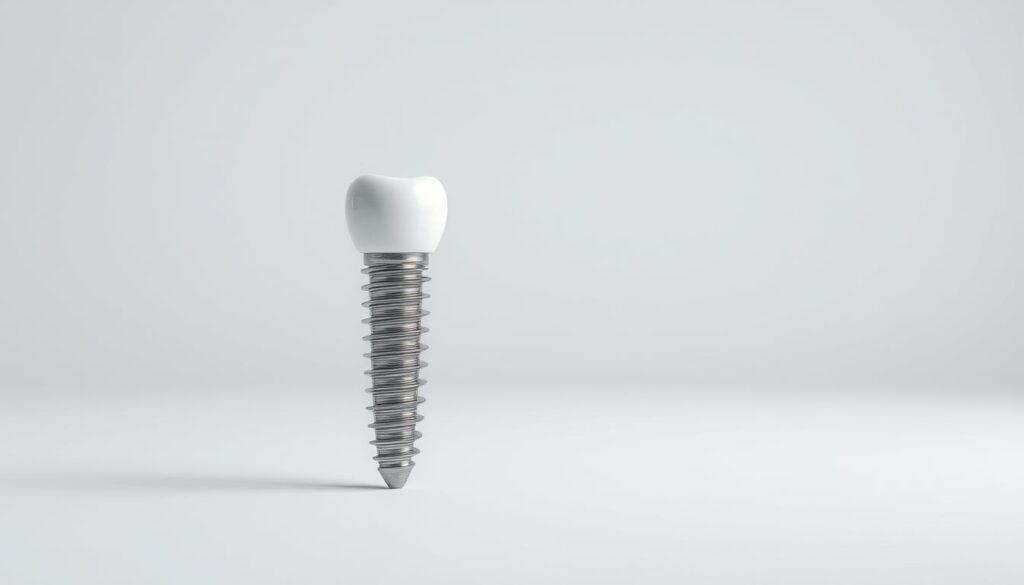
Dental implants meet both the functional and aesthetic needs of patients. They mix well with your own teeth while improving dental health. This makes them a top pick for fixing missing teeth.
| Feature | Benefits |
|---|---|
| Natural Appearance | Matches the color and shape of natural teeth, enhancing aesthetics. |
| Bone Health Support | Prevents bone loss by integrating with the jawbone, maintaining facial structure. |
| Stability | Implants are anchored in the jaw, offering superior stability compared to alternatives. |
| Longevity | With proper care, can last a lifetime, far outlasting other dental prosthetics. |
In summary, dental implants improve oral health and boost confidence. They offer more benefits than other tooth replacement methods. Whether for health or looks, dental implants are a great choice.
Disadvantages of Dental Implants
Dental implants bring big benefits for fixing teeth, but it’s key to think about the downsides. These include the disadvantages of dental implants such as cost and surgery risks. Knowing these can help you decide wisely.
Cost Considerations
Getting dental implants can be pricey. The cost includes the implants and may also cover bone grafts and professional fees. Prices change based on where you live, the dentist’s skills, and the materials used.
| Type of Expense | Average Cost | Notes |
|---|---|---|
| Implant | $1,000 – $3,000 | Per implant, varies by material |
| Bone Grafting | $200 – $1,200 | Additional cost if required |
| Surgeon’s Fee | $500 – $2,000 | Depends on complexity and surgeon’s expertise |
| Total Estimated Cost | $1,700 – $6,200 | Excluding supplemental procedures |
Surgical Risks
Choosing to get dental implants comes with its own set of risks. Like any surgery, it could bring issues. The risks of dental implant surgery include infection, harm to nearby teeth or blood vessels, nerve issues, and sinus problems for upper jaw implants. Even though these risks are usually low, they’re important to think about.
- Infection: Can happen at the site of the implant.
- Surrounding structure damage: Nearby teeth and blood vessels might be harmed.
- Nerve damage: Can lead to pain or lack of feeling, often in lower jaw surgery.
- Sinus issues: Might occur when upper jaw implants affect sinus areas.
To lower these risks of dental implant surgery, finding a skilled and specialized dentist is crucial. Also, making sure you’re a good fit for the surgery through a detailed check-up can help reduce problems.
Advantages of Artificial Teeth
Artificial teeth, such as dentures and bridges, are important in restorative dentistry. They are cost-effective and easy to maintain. Let’s look at the affordability of dentures and the simple maintenance of artificial teeth.
The main benefit of artificial teeth is their price. Compared to implants, dentures are much cheaper. This is great for folks needing many teeth replaced. It makes dental care more affordable.
Cleaning and fixing these teeth is easy. They can be taken out to simplify cleaning and repairs. This is great for older people or those who find detailed dental care tough.
Here’s a table showing the differences between dentures and implants:
| Feature | Artificial Teeth (Dentures) | Dental Implants |
|---|---|---|
| Initial Cost | Lower | Higher |
| Maintenance Needs | Regular cleaning, easy to handle | Requires professional check-ups |
| Replacement Frequency | 5-7 years | Can last a lifetime with proper care |
Artificial teeth stand out for their affordability and easy maintenance. These points make dentures a top choice for those wanting a budget-friendly dental option. They offer convenience daily.
Disadvantages of Artificial Teeth
Artificial teeth, like dentures, are easy to get for those missing teeth. Yet, they have some downsides. Knowing these can help people decide if they’re right for them.
The problem of slippage of dentures stands out. Since they don’t attach to the jawbone, they’re not as stable as dental implants. This means they can move around when you eat or talk. It can be uncomfortable and sometimes embarrassing.
There’s also the issue of dietary restrictions with artificial teeth. The instability means some foods are off-limits. This could harm not just the variety of food you can eat but also how well you eat.
It’s crucial to know these downsides when picking artificial teeth. Even though dentures are a quick solution, the problems of slippage of dentures and dietary restrictions matter a lot.
Who Should Consider Dental Implants?

Medical research shows us more and more how dental implants help those with missing teeth. To know who should get dental implants, it’s key to understand the factors influencing dental implant decision. This understanding aids in making wise choices for oral health.
Ideal Candidates
The best fits for dental implants are usually people who are in overall good health. The outcome of dental implants greatly relies on how well a patient can heal. This means having strong enough bone density is crucial for holding the implant in place. Before getting an implant, it’s vital to check for health issues. Conditions like uncontrolled diabetes or undergoing treatments for cancer might hinder healing after surgery.
Factors Influencing Decision
There are several key factors influencing dental implant decision to think about. These factors are thoroughly looked into during patient consultations. They include:
- Jawbone quality: You need good bone density for supporting the implant.
- Overall health status: Diseases like uncontrolled diabetes or autoimmune issues can slow down healing.
- Lifestyle factors: Smoking, for example, can lower the chance of success.
- Commitment to care: Good oral hygiene and regular dental visits are part of the deal.
Choosing dental implants is a team effort between you and your dentist. It’s important to have realistic hopes and talk over any health problems. This ensures the best outcome and long-term success of the procedure.
Who Should Consider Artificial Teeth?
Making the right choice for your dental health is important. It affects your overall wellbeing too. Artificial teeth, or dentures, are great for many people. This includes considering your age, how strong your jawbone is, and your budget. It’s important to know when to choose dentures and to understand age considerations for artificial teeth.
Situations Favoring Dentures
- People with not enough jawbone for implants need them.
- Those wanting a simpler, quicker fix prefer dentures.
- If you have a tight budget, dentures are a smart pick.
- Older people might find surgeries tough, so dentures are good.
- Young people might use dentures as a temporary fix.
- Seniors like dentures for their ease and flexibility.
Talking to a dental pro is key for artificial tooth candidates. They offer guidance tailored to your dental health and lifestyle. Your oral health history, daily routine, and health targets matter a lot. Whether getting your first dentures or changing them, a full check-up helps choose well.
The Process of Getting a Dental Implant
Getting a dental implant to bring back a bright smile has many steps. This careful process improves how your mouth works and how it looks. Knowing what these steps are can make getting ready for it easier.
Initial Consultation
The initial dental implant consultation is very important. A dental expert checks if you’re a good candidate for an implant. This means looking at bone health and overall dental wellness. The patient’s health history and any risks are talked about too. This meeting helps patients understand what to expect.
Surgical Procedure
The surgical procedure for dental implants needs skill. A titanium post is first placed in the jawbone. It acts as the root for the new tooth. Then, the implant needs to bond with the bone, a process called osseointegration. Sometimes, a second surgery is needed to connect the abutment and the custom-made crown. This crown is made to look like your real teeth.
Every step, from the initial consultation to the surgical procedure, is done with great care. This ensures the implant works well and lasts a long time. It helps patients feel confident about their smiles again.
The Process of Getting Artificial Teeth
Getting artificial teeth, or dentures, starts with making a mold of your mouth. This detailed process ensures the new teeth will look good and work well for you.
Fitting and Adjustments
First, accurate molds are taken of your mouth. These initial molds are key. They help make sure everything that follows is just right. Then, test dentures are made and tried out. This helps get the perfect fit.
Making adjustments to the dentures is a big part. You might need a few visits to get them fitting just so. These tweaks help avoid pain and make the dentures work better for talking and eating.
Follow-Up Care
Once you have your dentures, taking good care of them is ongoing. Regular check-ups help keep them fitting well and working right. Over time, your gums and jaw change, which might mean your dentures need adjusting.
The goal of getting dentures is clear, but there’s more to it. It’s about making the transition smooth and improving your life quality.
Cost Comparison: Implants vs. Artificial Teeth
Comparing the costs of dental implants and artificial teeth reveals various important factors that affect the final prices. These factors help people make choices that match their budget and health goals.
The complexity of the needed dental procedure greatly influences cost. For instance, dental implants require multiple surgical steps over months, making them pricier. On the other hand, artificial teeth, like dentures, are less costly because their procedures are simpler. Also, prices vary a lot by location, with cities often having higher costs.
| Type of Tooth Replacement | Average Initial Cost | Long-term Maintenance Cost |
|---|---|---|
| Dental Implants | $3,000 – $4,500 per implant | Lower, due to durability |
| Artificial Teeth (Dentures) | $1,500 – $2,000 for full set | Higher, periodic replacements needed |
It’s key not just to think about up-front costs but also to look at long-term expenses. Despite their higher initial price, dental implants often end up being more cost-effective due to their long life and fewer health issues.
There are many payment options for both dental implants and artificial teeth. Dental offices might let you pay in parts. Plus, third-party financing and some dental insurances help cover costs, making these options available to more people.
Finding out about these financial paths is vital for those looking into tooth replacement. Every option has its own pros and cons, which dental experts can help you understand.
Real Patient Experiences: Implants vs. Artificial Teeth
Hearing from those who’ve chosen between dental implants and artificial teeth is key. We’ve collected stories from dental implant patients and those with artificial teeth. This gives insight into these two dental options.
It’s not just about the specs or clinical results of dental implants versus artificial teeth. What really matters to patients is how these choices affect their daily lives. This impacts their happiness and satisfaction with their dental care decision.
| Dental Implants | Artificial Teeth |
|---|---|
| “The stability and natural feel are unmatched. It was worth the invasive procedure.” | “I appreciate the affordability and the fact that no surgery was needed, even though adjustments took some time.” |
| “Being able to eat without worrying about my teeth slipping is truly a game-changer.” | “It’s great to smile without feeling self-conscious, although I need to visit my dentist more often for maintenance.” |
Firsthand stories shed light on the pros and cons of each dental procedure. They show how dental implants offer durability and comfort. Meanwhile, artificial teeth stand out for being non-invasive and cost-effective. When deciding, patients consider not just outcomes but also how these options fit into their lives.
Conclusion: Making the Right Choice for You
Choosing between a dental implant and an artificial tooth is a big deal. It affects your oral health, how well you can eat and speak, and how confident you feel. We looked closely at both options to help you decide what’s best for you. We focused on what’s most important for you, like your health, money situation, and how you want your teeth to be in the future.
Summary of Key Points
Dental implants last longer and are better for your jaw’s health. But, they cost more and require surgery. Artificial teeth are easier to get and don’t need surgery. But, they might not feel as stable, and you may have to avoid some foods. Picking the right option means thinking about what matters most to you—lasting quality or easier, cheaper ways.
Recommendations for Patients
If you’re thinking about getting a dental implant or an artificial tooth, talk to a dental expert. They can help you understand the options. This helps you make a choice that fits with your health needs and how you live your life. Thinking about how this choice will affect you long-term is key. A good choice can make your teeth look and feel great for years.