Do I Need a Dental Exam If My Teeth Feel Fine?

One study found that about one in four adults in the United States skip dental visits each year. This shows a big gap in preventive care. It raises a key question: Do I need a dental exam if my teeth feel fine?
Even if you don’t feel any pain or discomfort, your teeth might not be perfectly healthy. Small cavities or early gum swelling can sneak up on you without warning. Regular dental check-ups can catch these issues early, helping keep your teeth and gums healthy for longer. So, do I need a dental exam if my teeth feel fine? Yes, because catching problems early is key to avoiding bigger issues.
Key Takeaways
- Hidden dental conditions can advance without pain
- Early detection helps prevent major interventions
- Routine exams reduce the risk of expensive treatments
- Professional advice guides healthier daily habits
- Proactive steps preserve both oral and overall wellness
Understanding Dental Exams
A routine dental checkup is key to keeping teeth and gums strong. These exams mix clinical skills with teaching patients to avoid oral health problems. Cleanings, x-rays, and dentist and hygienist reviews stop small issues from getting worse.
What is a Dental Exam?
This visit is a close look at each tooth, gums, and the area around them. The American Dental Association says:
“Regular visits are essential for thorough oral evaluations.”
Dentists check plaque levels, bite alignment, and bone structure. Catching problems early can stop tooth decay or gum disease. This saves patients from expensive and painful treatments.
Benefits of Regular Dental Check-ups
Regular visits help keep a record of your mouth’s health. This record shows changes over time and helps prevent problems. Many experts stress the importance of prevention:
- Removal of tartar that brushing alone may not address
- Identification of subtle shifts in oral health
- Guidance on personalized care routines
| Exam Element | Clinical Purpose |
|---|---|
| Visual Inspection | Detects cavities, gum inflammation, and chipped enamel |
| X-rays | Reveals hidden decay and bone health |
| Cleaning | Removes plaque and tartar buildup for healthier gums |
Common Misconceptions About Dental Health
Many people wait until they feel pain before they see a dentist. This can let hidden problems grow into bigger issues. It’s important to catch problems early because teeth and gums can get damaged without us noticing.
“If It Ain’t Broke, Don’t Fix It”
Some think if they don’t feel pain, they’re fine. But small problems like chips or cavities can stay hidden for a long time. If we ignore these signs, they can turn into bigger problems that are harder to fix.
Even if a broken tooth doesn’t hurt, it can have bacteria inside. Reading about broken teeth that don’t hurt can show us the dangers that might be hiding.
The Silent Nature of Dental Issues
Dental problems like decay and gum inflammation can sneak up on us. A dentist can spot these issues early with a thorough check-up. Even small signs like swelling can mean big problems are coming.
| Myth | Reality |
|---|---|
| No Pain, No Problem | Decay often lurks silently |
| One Check-up Is Enough | Ongoing care prevents future damage |
The Importance of Preventive Care
Preventive care keeps your teeth healthy for years to come. It also boosts your confidence in your smile. Experts from the American Dental Association say regular visits catch small issues early. We do thorough checks, x-rays when needed, and suggest treatments for early signs of decay.
Detecting Problems Early
Spotting problems early can save you from pain and big procedures. Small cracks or hidden cavities are often missed without regular checks. A tooth examination can find these issues when they’re easy to fix. This way, you avoid costly and invasive treatments that can mess up your daily life.
- Screenings protect your teeth from damage
- X-rays find hidden decay
- Specific checks monitor gum health for infections
Cost-Effectiveness of Regular Exams
Regular visits save you money in the long run. Early action means fewer expensive treatments and quicker healing. Preventive scans and cleanings reduce the need for costly procedures like root canals. This smart approach saves you money by focusing on prevention, not expensive fixes.
Signs You Might Need a Dental Exam
Some changes in your mouth can mean bigger problems. Even a little pain can be a sign of something serious. If you notice changes in your gums or feel uneasy, it’s time to see a dentist.
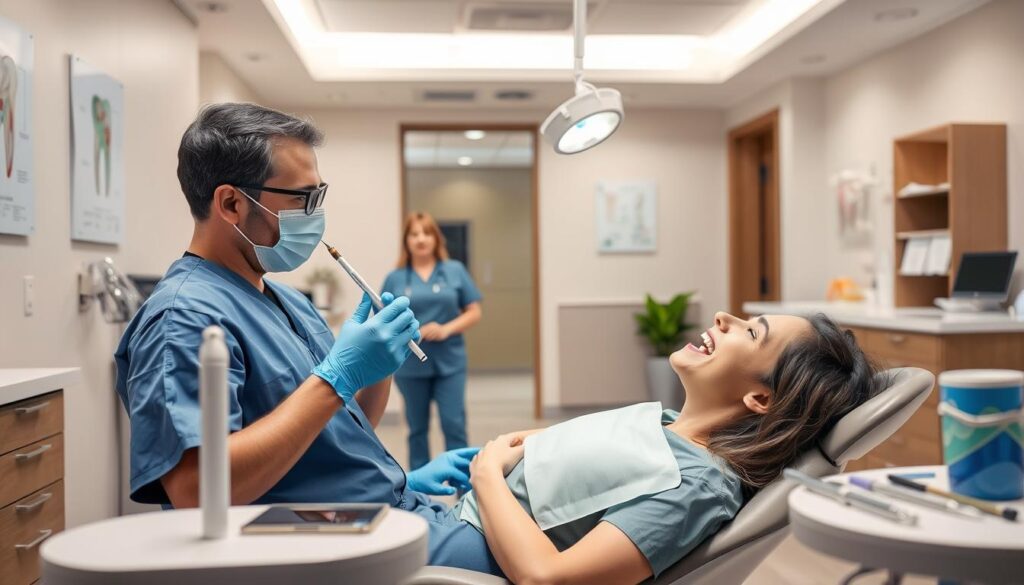
Noticing odd signs early can save you time and money. Ignoring them can lead to bigger issues. Regular dental visits are key to staying healthy.
Bleeding Gums
Seeing a bit of blood when you brush might mean your gums are inflamed. Not getting it checked can lead to serious infections. Keeping your gums clean and healthy is important.
Persistent Bad Breath
Bad breath that won’t go away could mean plaque or bacteria. It might also point to other issues that need a dentist’s look. Catching it early helps keep your mouth fresh and healthy.
What Happens During a Dental Exam?
A routine dental visit is more than just a quick look at your teeth. It helps keep your mouth healthy by spotting problems early. Dentists and hygienists want you to ask questions and share your concerns. This makes preventive care a team effort.
Gum checks, scaling, and polishing are important parts of the exam. These steps help remove harmful bacteria and make your breath fresher. Your dentist might also talk about how to brush better or what foods are good for your teeth.
Examination Process
Professionals check each tooth for decay or damage. They look for signs of gum disease or swelling. After the exam, they discuss how to keep your teeth clean and healthy.
Typical Tools Used by Dentists
Mirrors help dentists see hidden areas of your teeth. Probes find soft spots or early cavities. Intraoral cameras show enlarged images of your mouth. These tools help dentists find and fix problems, keeping your teeth healthy for the long term.
The Role of X-rays in Dental Exams
X-rays make dental visits more detailed. They help find bone loss, hidden cavities, and teeth that are stuck. Pregnant women might worry about X-rays, but they are safe when needed.

Understanding Dental X-rays
X-rays show jawbone health, wisdom teeth, and how old fillings are doing. They catch problems early, preventing bigger issues. Dentists use these images to spot decay or changes that need fixing.
“Radiographic images reveal hidden elements of oral health, guiding accurate diagnosis and treatment,” states the American Dental Association.
When Are They Necessary?
X-rays are key when pain or swelling won’t go away. They help new dentists see changes after a visit or check healing. People with ongoing tooth decay or gum problems need them to stay healthy.
Professional Cleanings vs. Home Care
Keeping your mouth healthy means protecting your gums and teeth. Brushing at home is good for daily cleaning. But, professional cleanings are key for long-term health.
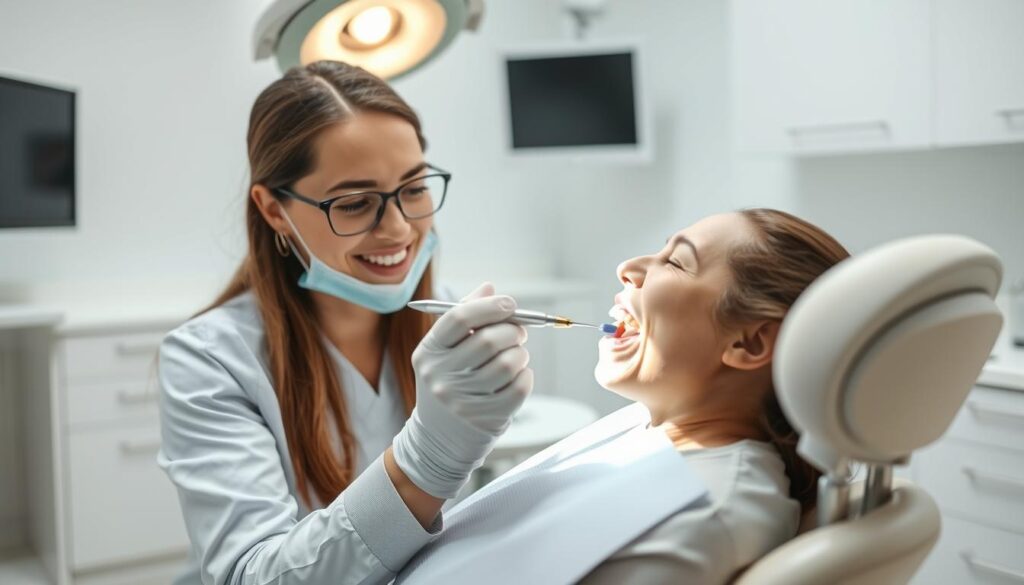
Importance of Professional Cleanings
Hygienists remove plaque that home cleaning can’t. This action reduces gum disease risk and keeps teeth strong. They also check for early tooth decay and teach you how to brush and floss better.
These cleanings often include fluoride treatments to protect your teeth. You’ll get advice on choosing the right toothbrush or water flosser. This shows why regular visits are a must.
Limitations of Home Dental Care
Brushing and flossing daily are good, but they can’t reach all areas. Places deep in your gums need a pro’s touch to avoid gum disease.
Home care is important, but it can miss important signs. Professional cleanings fill this gap, protecting your mouth from hidden dangers.
Specific Dental Issues That Require Attention
Many people don’t realize how important early detection is for oral health. A detailed dental health evaluation can uncover hidden risks. These risks can grow over time if not caught early.
Unseen bacteria and plaque often hide in tight spots. This can lead to serious problems that need quick attention.
For those looking to protect their teeth, a dental exam and cleaning with a trusted provider is a good step. It helps keep your overall health safe and stops small problems from getting big.
Cavities
Decay is a common dental problem. It happens when bacteria produce acid that eats through the enamel. This creates small holes in the tooth.
Early fillings can stop this damage from getting worse. They help protect the tooth from nerve damage and keep it strong.
Gum Disease
Gum disease is caused by tartar buildup and harmful bacteria. It can start with tender gums and get worse. Advanced stages can lead to deep pockets and bone loss.
Acting fast can prevent serious damage. It also helps avoid bigger health problems.
| Issue | Key Signs | Potential Outcome |
|---|---|---|
| Cavities | Tooth sensitivity, discoloration | Root infection, possible tooth extraction |
| Gum Disease | Red, swollen gums, bleeding | Bone loss, tooth mobility |
Assessing Your Risk Factors
Wondering Do I need a dental exam if my teeth feel fine? Your risk is linked to your genes and daily habits. Some people are more likely to get gum disease or cavities because of their genes. Knowing this helps your dentist give you the right care.

At your visit, you’ll talk about your health history. This helps your dentist spot hidden risks. By acting early, you can keep your mouth healthy for a long time.
Family History of Dental Issues
If your family has had problems with gums or cavities, you might too. Dentists look at this when planning your care. Catching problems early can prevent bigger issues.
Lifestyle and Habits Impacting Dental Health
Smoking, eating too much sugar, and not brushing well can harm your teeth. Some might wonder, Do I need a dental exam if my teeth feel fine? Good habits can help avoid serious problems. A dentist can guide you to make better choices.
| Risk Factor | Impact | Recommended Action |
|---|---|---|
| Genetic Predisposition | Higher cavity rates | Personalized check-ups |
| Smoking | Enamel damage | Adopt cessation programs |
| High-Sugar Diet | Accelerated plaque formation | Limit sweets, boost hygiene |
The Relationship Between Dental Health and Overall Health
Strong teeth and gums do more than just make a smile look good. Regular dental visits help catch problems that could affect your whole body. This dental cleaning and exam guide offers insights into keeping your teeth and mouth healthy.
Link Between Oral Health and Chronic Diseases
Gum disease can lead to heart problems, stroke, and diabetes. Bacteria from gum disease can harm your body’s systems. Regular dental visits help keep these bacteria in check.
Good habits include:
- Thorough brushing and flossing
- Prompt treatment of gum inflammation
- Continuous dialogue with dental professionals
Impact on Quality of Life
Poor oral health can limit food choices and cause discomfort. It can also lower your self-esteem. But, staying on top of dental care can boost your energy and confidence.
A dental checkup can catch small issues before they become big problems. Taking care of your mouth is key to your overall health.
How Often Should You Schedule a Dental Exam?
Regular dental visits keep your teeth strong and reduce risks. Experts usually recommend seeing a dentist every six months. This helps with deep cleaning and catching problems early.
An oral health assessment can remove tartar and spot gum disease signs early. This is key to maintaining good oral health.
General Recommendations
Dentists often say you should visit them every six months. This helps prevent cavities and keeps your enamel healthy. Regular visits also mean you get your teeth polished and any issues checked.
During these visits, you might get X-rays and a detailed oral health check. This gives important information about your teeth and gums.
Individual Considerations
Some people might need to see a dentist more often. This could be due to pregnancy, diabetes, or needing a lot of dental work. Dentists will adjust the visit schedule based on your needs.
This way, they can keep an eye on tartar buildup and any signs of problems. It helps everyone stay on top of their dental health.
Finding the Right Dentist for You
Choosing a dentist for regular check-ups means looking at their credentials and training. Some dentists specialize in kids or implants, while others handle general care. Checking if they’re licensed gives you peace of mind and helps prevent problems.
Questions to Ask When Choosing a Dentist
Patients often ask about comfort, emergency plans, and treatment choices. These questions help understand office hours and the dentist’s ongoing learning. Some want a dentist with a lot of orthodontic experience, while others look for one who’s great at gum care.
- Ask if the dentist keeps up with the latest education.
- Find out about specializations and pain management.
- Confirm policies on same-day or urgent visits.
Importance of Communication
Talking openly builds trust and reduces fear. A friendly team supports honest talks about your concerns or goals. For more on scheduling and service length, check this resource. Good communication leads to better results and satisfaction with each visit.
| Area to Consider | Reason It Matters |
|---|---|
| Continuing Education | Boosts expertise and confidence in new techniques |
| Emergency Protocols | Provides rapid assistance when unexpected pain strikes |
| Office Hours | Ensures convenient access for busy schedules |
| Chairside Manner | Creates a welcoming environment for all procedures |
The Role of Technology in Dentistry
Digital breakthroughs have changed oral care. They make preventive dentistry more efficient and tailored to each patient. Modern methods are more precise and comfortable.
Advancements in Dental Technology
Digital x-rays spot issues that older methods miss. Intraoral scanners from brands like Dentsply Sirona show tooth shapes in real time. This cuts down on messy impressions.
3D printing makes restorations faster. It shapes crowns or veneers quickly and accurately.
How Technology Enhances Exams
Automated charting tools keep records safe and up-to-date. They help doctors act fast, making preventive dentistry more important. Clear images from cone-beam computed tomography show bone structures well.
This leads to early detection and better results.
Understanding Dental Insurance and Exams
Dental insurance can help with the cost of preventive care. It often covers a lot of the cost for check-ups, cleanings, and x-rays. But, it’s important to check your policy details carefully.
Coverage for Routine Visits
A routine dental visit can catch small problems early. Most plans pay for two cleanings a year. But, you might need to pay more for extra visits or certain treatments.
Some policies only cover a part of fillings, crowns, or other treatments.
Out-of-Pocket Costs to Consider
When planning your budget, look at deductibles, waiting periods, and annual limits. Some plans have a grace period for new members. Knowing these details can help avoid unexpected costs.
Regular dental visits and understanding your policy can keep your teeth healthy without breaking the bank.
What to Expect at Your Next Dental Exam
A dental exam often includes checking your mouth, teeth, and gums. You might talk about past dental work and changes in your daily life. This helps build trust and answers any questions about tooth or gum issues.
Doctors might ask about your medications and any mouth problems you’ve noticed. Sharing what you eat and any mouth pain can help them find the best treatment for you.
Preparing for Your Visit
It’s a good idea to prepare before your dental visit. Here’s what you might want to do:
- Write down any unusual soreness or bleeding.
- Make a list of all your medications.
- Bring any past dental records you have.
Having this information ready helps your dentist understand your needs better.
Follow-up Care After an Exam
After your visit, you might get tips on better brushing, special mouthwashes, or more flossing. It’s important to book your next appointment to keep track of your progress and address any new issues.
| Pre-Visit Checklist | Follow-up Checklist |
|---|---|
| List current medications | Implement new brushing tips |
| Note recent oral symptoms | Adopt specialized mouth rinses |
| Gather past dental records | Schedule next dental consultation |
Conclusion: The Value of Regular Dental Exams
Dental care is more than just fixing problems when they arise. Studies show that regular check-ups can prevent big issues and save money in the long run. A dental exam can catch hidden problems early, helping keep you healthy overall.
Summary of Key Points
Going to the dentist regularly is key for everyone. Catching cavities, gum disease, or other issues early can prevent bigger problems. Dentists use X-rays and advanced tools for a complete check-up. This keeps your teeth healthy and your smile bright.
If you’re worried about damaged teeth, this post might help. Early treatment can help your teeth heal naturally and avoid future problems.
Final Thoughts on Dental Health Maintenance
Combining regular dentist visits with daily brushing and flossing is the best way to keep your mouth healthy. This approach prevents problems and keeps your body healthy. Regular dental exams are essential for a healthy mouth and a better life.