Does a Root Canal Treatment Remove My Tooth Roots or Kill the Tooth?
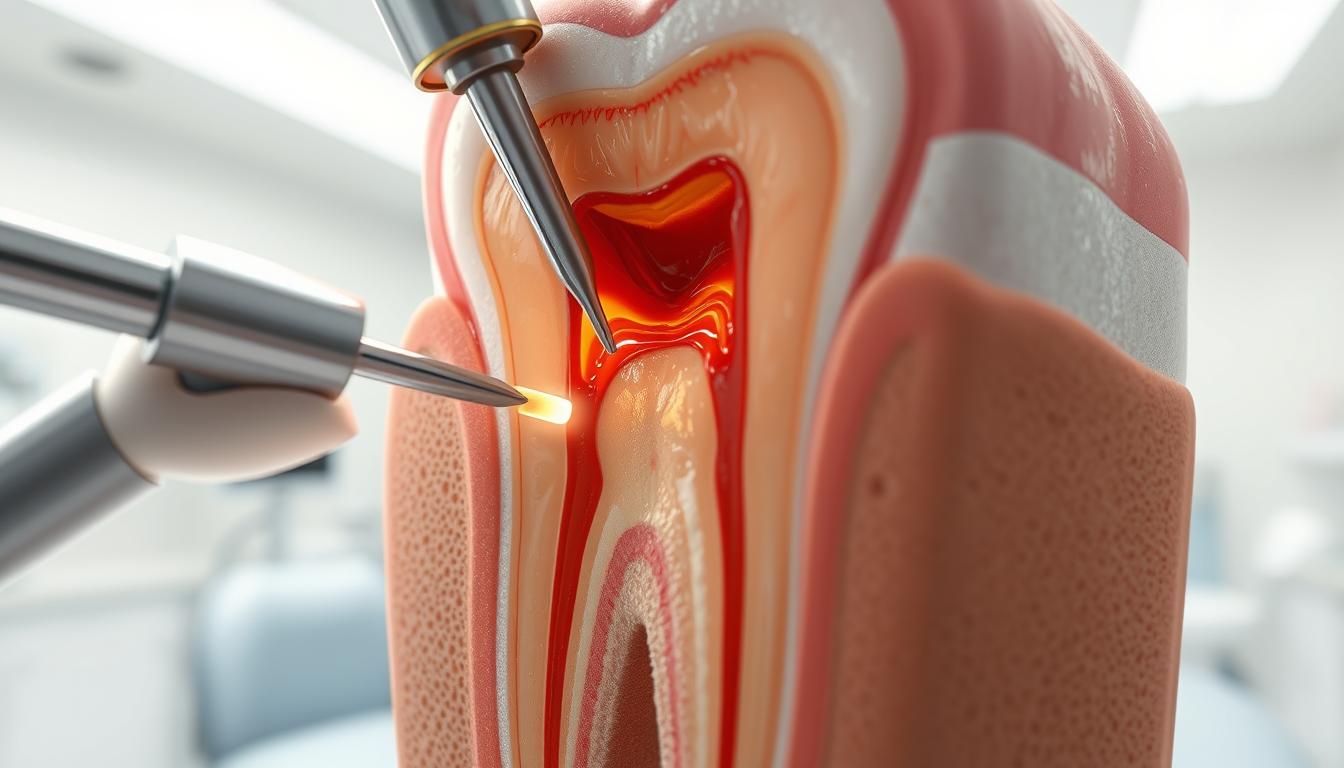
Did you know that about 15 million root canal procedures happen every year in the U.S.? They save teeth that might need to be pulled. People often worry if a root canal will harm their teeth or remove the roots. But, this treatment removes infected pulp and keeps the tooth’s natural structure safe.
Dental experts and endodontists use new methods to save tooth roots. Our broken tooth repair guide shows how to handle damage and avoid problems. Keeping each tooth strong helps with chewing, jaw stability, and overall mouth health.
Key Takeaways
- Root canal therapy targets infection in the pulp while keeping tooth roots intact.
- Avoiding tooth extraction preserves chewing function and jaw stability.
- The procedure aims to eliminate discomfort and stop the spread of bacteria.
- Modern methods secure the natural tooth for long-term oral health.
- Expert evaluation helps determine if root canal treatment is the best solution.
Understanding Root Canal Treatment
Root canal treatment is key for fighting tooth infections. It keeps the natural enamel and lets you chew normally. It cleans the canals and seals them to stop future problems.
Thanks to endodontic science, treatments are now less painful. Old methods were harsh, but new tools and sedation help heal faster. Dentists use precise tools to remove bacteria and protect your teeth.
What is a Root Canal?
Root canals are channels in teeth that hold nerves and soft pulp. When infection hits, a root canal removes the bad stuff. Then, the dentist fills and seals it to keep your tooth safe and comfortable.
Purpose of Root Canal Treatment
The goal is to stop infection and save your tooth. It reduces pain and the risk of big abscesses. Plus, it means you might avoid more serious dental work.
| Aspect | Details |
|---|---|
| Removal of Infected Pulp | Minimizes bacterial growth within the canals |
| Sealing of Canals | Shields tooth interior from future contamination |
| Preservation of Tooth Structure | Maintains the integrity of enamel and prevents extractions |
How Root Canal Treatment Works
Root canal therapy saves teeth even when decay gets inside. It removes the infected pulp. This keeps the tooth strong for chewing and looking good.
Step-by-Step Procedure
First, tests show how bad the infection is. Then, a small hole is drilled into the tooth. The infected pulp is taken out.
The inside of the tooth is cleaned and shaped. It’s then filled with a safe material. After that, a crown or filling is added to make the tooth strong again.
Use of Anesthesia
Local anesthetics make sure you don’t feel pain. You might feel a little discomfort, but it’s not much. This helps you feel confident that your tooth is being taken care of.
| Stage | Key Objective |
|———————-|———————————————————-|
| Examination & X-rays | Identify infection level and overall tooth condition |
| Access & Cleaning | Clear away infected tissue and prepare interior canals |
| Sealing & Filling | Prevent bacterial infiltration and support tooth stability |
The Anatomy of a Tooth
The human tooth has many layers, each adding strength and stability. The outer layer, enamel, protects the tooth. Beneath it, other parts safeguard nerves and keep the tooth working well.
Structure of a Tooth
- Enamel: The hardest layer that resists wear.
- Dentin: A sensitive layer that transfers sensations to the pulp.
- Pulp Chamber: A space containing blood vessels and nerves.
- Roots: Anchors that extend beneath the gumline.
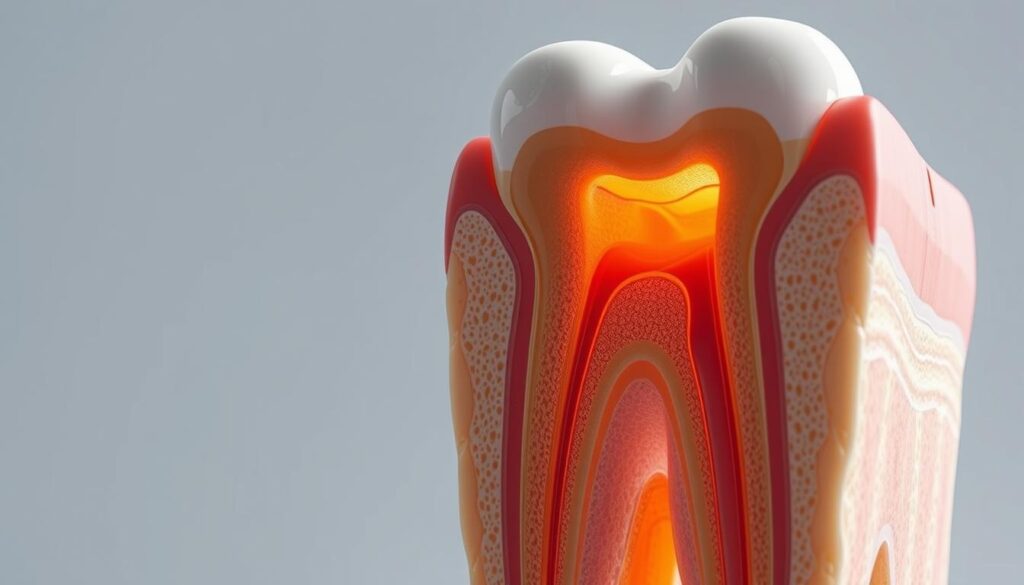
These parts make a strong system. Pulp is key in young teeth, but in adult teeth, nerves play a smaller role. Enamel and dentin protect the inside, keeping infections out.
Importance of Tooth Roots
Roots keep the tooth in place, ensuring a proper bite. When pulp infections happen, dental root removal might be talked about. But removing a healthy root is rare.
Keeping the root helps the tooth stay functional. This support stops other teeth from moving, keeping your mouth healthy. Treatments like root canals usually save the root, unless damage is severe. This way, your natural tooth stays, and your smile stays intact.
Misconceptions About Root Canals
Root canal procedures are often misunderstood. Many think they are painful or lead to tooth extraction. But, the real process is different.
Some believe root canals kill the tooth or remove its roots. But, endodontic therapy aims to clean and seal natural canals. This helps keep the tooth healthy.
People also think root canals cause ongoing pain. But, thanks to modern methods and local anesthesia, pain is greatly reduced.
Common Myths Debunked
- Myth: It’s more painful than extraction
- Myth: Treated teeth become weak
- Myth: Healing is temporary
The American Dental Association says root canals work well if you take good care of them. They help keep the bone strong by fixing diseased pulp. This endodontic therapy also protects nearby tissues and lets you chew comfortably.
The Reality of Root Canals
| Misconception | Fact |
|---|---|
| Root canal is a lengthy procedure | Multiple visits are not always needed |
| Root canal causes severe pain | Modern techniques minimize discomfort |
| The tooth eventually needs removal | Retaining the natural root helps long-term stability |
The Goal of Root Canal Treatment
Keeping the tooth healthy is key in treating tooth decay. This helps keep the mouth balanced. It also ensures chewing efficiency and a comfortable bite.
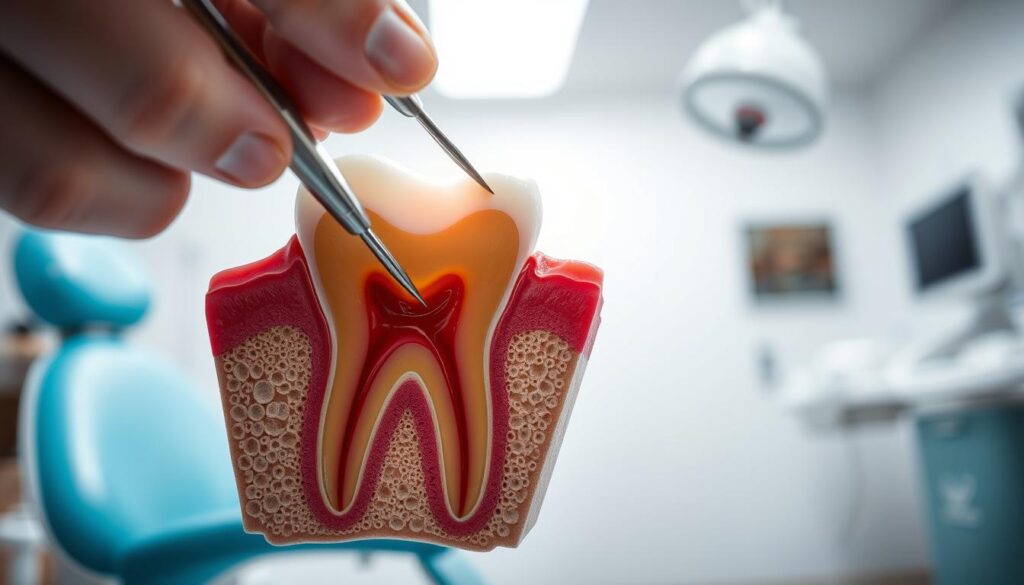
Saving the Natural Tooth
Root canal therapy kills harmful bacteria and saves the tooth. A natural tooth handles daily stresses better than artificial ones. It keeps the mouth aligned, reduces wear, and supports tissues.
Preventing Further Oral Issues
Endodontic treatment stops infection spread and bone loss. It also lowers the risk of abscesses and major surgeries. Quick action often means fewer problems and better oral health.
What Happens to Tooth Roots?
Dental experts work hard to keep a tooth’s foundation strong, even when the pulp gets infected. The outer part of each root is key in holding the tooth in place. Keeping this support helps keep the tooth aligned and comfortable.
Do Roots Get Removed?
Some people worry they’ll need to remove the whole tooth root. But, roots are only removed if there’s damage or trauma. Usually, only the infected pulp is taken out, leaving the root intact.
- This helps stabilize the tooth’s position
- It can enhance long-term oral function
Are Roots Treated Instead of Removed?
A careful process cleans out the canal, removing bad bacteria and debris. Then, a special material is used to fill the channels to prevent future infections. This method shows a careful approach to keep the tooth’s support strong.
Is the Tooth Killed During Treatment?
Many wonder if a root canal kills the tooth. Dental experts aim to keep natural teeth alive. They focus on the living tissue inside, but this tissue might be removed if it gets infected.
Endodontic treatment cleans the inside of the tooth, not just removing it. It stops pain by removing inflamed pulp. The tooth’s structure stays the same, allowing it to chew food and keep teeth in line.
Understanding Tooth Vitality
Vitality means the tooth has a healthy blood and nerve supply. When pulp gets inflamed, careful cleaning stops bacteria from spreading. The tooth stays in place, even if the nerve and blood vessels are not working.
What Happens to the Pulp?
Infected tissue is carefully removed and sealed to stop reinfection. A crown or filling is placed to support the tooth’s durability. This method ensures long-term success, bringing back comfort and function. It tackles the root cause of infection, not just hiding it.
Benefits of Root Canal Treatment
Keeping a tooth that’s been infected is key for keeping it working right. A root canal gets rid of the bad stuff inside the tooth. This lets people go back to their normal activities without pain.
Pain Relief and Discomfort Reduction
Deep infections can cause a lot of pain. Getting the treatment done stops the pain. People can start talking, eating, and smiling again once the tooth heals.
Long-Term Oral Health
Keeping an infected tooth helps keep your mouth healthy. It keeps your bite right and helps your jaw stay strong. Dentists say it also helps your teeth line up better.
“The American Dental Association recognizes root canal therapy as a reliable approach for preserving long-term oral health and overall well-being.”
- Stops infection at its source
- Enhances chewing stability
- Prevents more invasive procedures
| Key Benefit | Description |
|---|---|
| Immediate Relief | Addresses severe pain by eliminating infected tissue |
| Dentition Preservation | Maintains the natural tooth structure for long-term support |
Risks and Considerations
Root canal therapy saves natural teeth and prevents severe infections. With proper treatment and regular check-ups, most problems can be avoided.
Potential Complications
Several factors can impact the success of a root canal. Some common issues include:
- Incomplete Cleaning: Bacteria can hide in narrow or curving canals.
- Fractured Root: Teeth that are brittle may face extra stress.
- Reinfection: Bacteria that are not fully removed can lead to more problems.
What to Discuss with Your Dentist
Before starting a root canal, you and your dentist will discuss important details. This includes your medical history, X-ray results, and what you hope to achieve. Open communication builds trust and ensures any issues are addressed quickly.
Regular follow-up visits are key. They help catch any problems early and keep your teeth healthy for the long term.
Post-Treatment Care
Proper care after treatment helps keep results lasting and reduces pain. This stage is all about helping your mouth heal and stay healthy. We’re always watching for any issues that might pop up.
Symptoms to Expect
You might feel a bit of pain in the treated tooth. Some people notice it hurts a little when they bite down. This usually goes away in a few days.
If the pain gets worse or spreads, it’s time to call a dentist.
Tips for Aftercare
Managing pain might mean taking some over-the-counter meds, like ibuprofen. The American Dental Association says to brush gently and floss. Using an antibacterial mouthwash can also help fight bacteria.
Eating soft foods helps avoid putting too much pressure on the fixed area. It also keeps irritation at bay. Regular dental visits and X-rays help make sure everything is healing right. If you notice any changes, let us know so we can adjust your care plan.

Alternatives to Root Canal Treatment
Some people look for other ways to deal with severe tooth decay. Saving the original tooth is usually the best option, if it can be fixed. But, if the infection is hard to get rid of or the tooth is badly damaged, they might look for other solutions.

Tooth Extraction
Removing a bad tooth can stop the pain. But, it leaves a gap that can cause other teeth to move. A fake tooth can help keep everything in place and make chewing easier.
It takes time for the gums and bone to heal. So, it’s important to take good care of your mouth after the tooth is removed.
Implants and Bridges
Dental implants are metal posts in the jawbone that hold a crown in place. They help you chew like normal and keep your jaw healthy. Bridges fill gaps by attaching to nearby teeth. Both options help keep your mouth balanced.
But, getting implants or bridges takes longer and might cost more than a root canal. You’ll need to plan for the time and money involved.
When to Consider a Root Canal
Persistent discomfort around a damaged tooth can signal deeper pulp issues. Some individuals notice inflamed gums or strange fluid draining from affected spots, which might point to an active infection.
Signs You Need a Root Canal
Lingering throbbing may be the most telling clue. Swelling or puffiness near the tooth could hint at bacterial growth within the root chamber. Chipped enamel that reveals sensitive pulp might place the entire tooth at risk. Watch for:
- Deep, pulsing pain that won’t let up
- Swollen gum tissue or pus formation
- Cracked surfaces exposing nerve endings
Consulting with a Dental Professional
A thorough assessment by an endodontist or dentist helps verify if the pulp is inflamed. Early intervention maintains tooth vitality and curbs more serious complications. Timely imaging and sensitivity tests guide treatment, letting patients avoid tooth extraction.
| Symptom | Possible Explanation |
|---|---|
| Lingering Pain | Nerve irritation or inflammation |
| Swollen Gums | Potential bacterial infection |
| Cracked Tooth | Open pathway for pulp exposure |
The Cost of Root Canal Treatments
Many patients find that endodontic therapy can protect their natural tooth and boost long-term oral health. Fees vary by location and provider. Yet, a few core elements influence each quote. Specialists may price services at a higher rate than general dentists.
Such care often includes advanced imaging or specialized tools during a root canal.
Factors Influencing Pricing
Complexity of the procedure shapes cost for each patient. Multi-rooted molars tend to require more work than incisors. Restorations such as crowns and sedative measures add extra fees.
The steps below highlight common factors:
- Number of tooth roots involved
- Potential crown fabrication and materials
- Equipment quality (microscopes, digital imaging)
- Expertise of the dental team
Insurance Coverage and Options
Plans from Delta Dental or Cigna may reduce the financial burden for a root canal. Benefits usually cover a percentage of the procedure and related restorations. Certain offices extend payment plans to ease out-of-pocket costs.
Researching individual policies reduces unexpected expenses while encouraging timely care.

| Tooth Type | Approximate Fee Range |
|---|---|
| Front Incisor | $600 – $900 |
| Premolar | $700 – $1,000 |
| Molar | $800 – $1,500 |
Duration of the Procedure
How long a root canal takes depends on the tooth’s complexity and the chosen method. Each step is done carefully, from the start to the final check-up.
How Long Does a Root Canal Take?
A simple root canal can take 60 to 90 minutes. But, a molar with complex roots might need more time or a second visit. X-rays help find the infection and remove all damaged tissue.
Multiple Visits vs. Single Visit Treatments
Some clinics use new technology for a one-visit treatment. Others might need two or more visits. This ensures the infection is fully cleared and the tooth is safe in the long run. Each visit aims to protect the tooth and make the patient comfortable.
Emotional Aspects of Root Canals
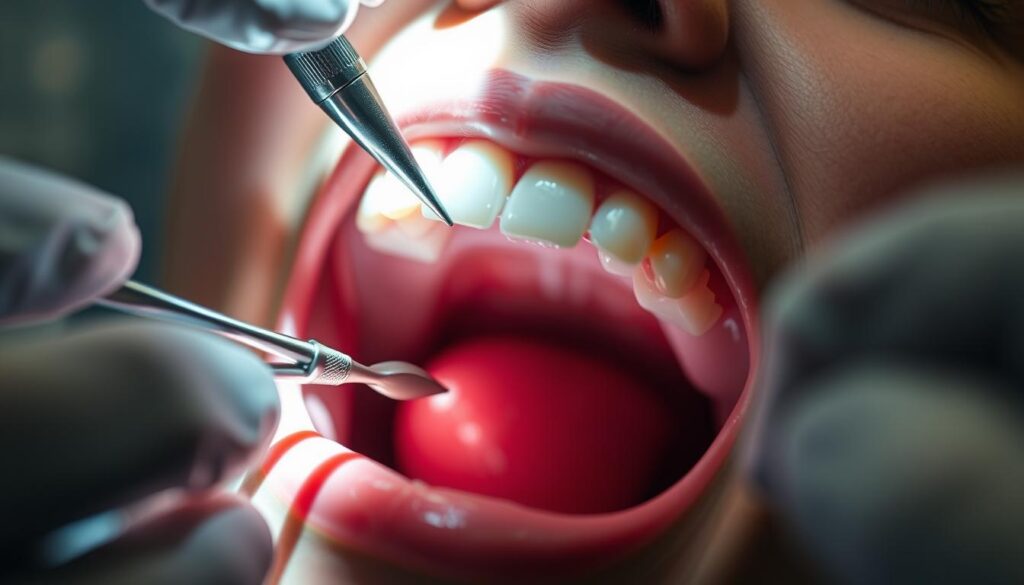
Many people feel nervous about root canals. Old stories and outdated methods can make things worse. But, talking openly and knowing about new techniques can help you feel better.
Addressing Dental Anxiety
When you understand your options, fears often lessen. Talking honestly with your dentist or endodontist can clear things up. There are ways to make you feel more at ease:
- Honest Dialogue – Asking questions and knowing what to expect helps.
- Sedation Choices – Options like nitrous oxide or mild medication can calm you down.
- Relaxation Techniques – Deep breathing or listening to soft music can help you relax.
Preparing for Your Appointment
Learning about aftercare and pain management can boost your confidence. Trusting a skilled professional can make you feel more secure. Knowing what to expect can turn anxiety into readiness.
| Sedation Method | Benefit |
|---|---|
| Nitrous Oxide | Quick relaxation |
| Oral Sedation | Reduced tension |
Conclusion
Root canal therapy saves your tooth by keeping the natural roots intact. It removes infected pulp and stops bacteria from spreading. Most people feel better once the pain is gone, thanks to modern techniques.
Summary of Key Points
• Tooth roots stay in place and remain integral to dental stability.
• Removing diseased pulp helps safeguard gums and surrounding tissues.
• A secure seal and proper restoration encourage long-lasting results.
• Ongoing dental checkups and cleanings support a healthy mouth.
Encouraging Oral Health Practices
Brushing and flossing daily can prevent future problems. Regular dental visits catch issues early, reducing the need for big fixes. Paying attention to any pain helps keep your mouth healthy.
By taking care of your teeth, many people in the U.S. enjoy good oral health. This brings them peace of mind.