Is Flossing Really Necessary, and How Often Should I Floss?
A study in 2016 by the CDC showed that almost one-third of American adults don’t floss at all. This is surprising because flossing plays a key role in keeping our mouths healthy. Despite some people questioning its importance, flossing daily is a vital part of good oral hygiene. It involves more than just moving floss between your teeth. It’s about cleaning the spots your toothbrush can’t get to, where plaque likes to hide.
Dentists everywhere in the U.S. talk about how good flossing is for us. They say it helps prevent cavities and gum disease. Flossing should be done every day to help keep our mouths clean, our breath fresh, and our teeth free from food particles. While people have different views on the best time to floss, doing it regularly is what really matters. Whether you use traditional floss, floss picks, or other tools, flossing before brushing is often advised to get rid of more plaque and make toothpaste work better.
Flossing every day is strongly recommended to enjoy all its benefits. It’s not just about getting rid of food stuck in your teeth. Regular flossing helps keep your gums healthy and lowers the chance of gum disease. It also helps save money on dental bills over time.
Key Takeaways
- The CDC has identified a significant flossing gap, with one-third of adults not flossing at all.
- Flossing is a crucial part of oral hygiene that goes hand in hand with brushing to deliver complete dental care.
- Oral hygiene tips stress the importance of flossing daily for better gum health and cavity prevention.
- Flossing prior to brushing allows for enhanced plaque removal and efficient use of toothpaste fluoride.
- Proper flossing habits can contribute to overall health benefits and economic savings in dental care.
- For optimal oral health, incorporate flossing into your daily routine, as recommended by dental health professionals.
The Importance of Oral Hygiene
Keeping your mouth healthy involves regular habits that make your teeth look good and prevent diseases. It’s crucial to know how activities like flossing work together. Understanding the importance of flossing is key.
What Does Oral Hygiene Involve?
Good oral care is more than just sometimes remembering to brush. It should be a daily routine including brushing, flossing, and using mouthwash. Each method has its own role, but together, they protect against oral health problems.
The Role of Brushing
Brushing gets rid of plaque and bits of food on your teeth and gums. It’s about moving a soft-bristled toothbrush over every tooth surface. This step is vital in a brushing and flossing routine because it lowers the chance of getting cavities and gum disease.
Why Flossing Matters
The importance of flossing is huge. Flossing cleans the tight spots between teeth and under the gums that brushes miss. It stops plaque from turning into tartar, which is hard to get off without a dentist’s help. A good brushing and flossing routine is backed by dental groups as key to oral health.
- Flossing cuts down the risk of gum disease by clearing out irritants from the gum line.
- It stops cavities by getting rid of bits of food that could rot.
- Using floss regularly helps keep your breath fresh by removing trapped food that causes bad smells.
Following these oral hygiene tips helps keep your mouth healthy and has a positive effect on your overall health. Making brushing and flossing daily habits is not just recommended, it’s crucial for keeping your teeth healthy long-term.
Understanding Flossing
Flossing plays a key role in dental hygiene. It gets rid of plaque and bits where a toothbrush can’t reach. By making flossing a habit, you can boost your dental health. This part talks about what flossing does, the kinds of floss, and how to do it right.
What Is Flossing?
Flossing uses a thin string to clean between teeth and under the gum line. It’s key for keeping your mouth healthy. This is because it reaches where brushes can’t.
Types of Dental Floss
There are many kinds of dental floss for different needs:
- Waxed and Unwaxed Floss: Waxed floss is easier to use for tight teeth. Unwaxed floss may fray but cleans deeply.
- Pre-threaded Flossers: Handy for those who struggle with regular floss. They have a handle to help control the floss.
- Dental Tape: This floss is wider and gentle on the gums. It’s good for those with sensitive teeth or new to flossing.
How to Floss Properly
To floss well and avoid harm, follow these steps:
- Cut about 18 inches of floss and wrap it around your middle fingers. Leave a couple of inches to use.
- Glide the floss gently between teeth without snapping it into the gums.
- Curve the floss around each tooth and move it up and down. Do this beneath the gumline too.
- Use a fresh part of the floss for each tooth to keep things clean.

The Science Behind Flossing
Dental science explores effectiveness and oral hygiene techniques, including flossing. Regular flossing is key to dental health, with clear benefits. Yet, there’s debate over flossing’s impact, refining our understanding.
Studies Supporting Flossing Benefits
Research is crucial for showing how flossing prevents dental diseases. Studies find that flossing removes plaque and lowers the risk of gum disease and cavities. Let’s examine these flossing benefits further:
- Reduction in gum disease
- Decrease in cavities between teeth
- Improved breath freshness and oral hygiene
Controversies in Flossing Research
Some studies question flossing’s effectiveness in preventing dental decay. Critics point to weak empirical evidence. They note study design and methodology variations, causing inconsistent results. Here are the main issues:
- Discrepancies in research methodologies
- Variability in flossing technique among participants
- Challenges in measuring long-term benefits
Expert Opinions on Flossing
Dental professionals stress flossing’s role in oral hygiene. They say it greatly reduces oral health issues, alongside brushing. Their claims are backed by clinical experience and dental science.

In summary, research showing flossing’s benefits and the scrutiny it faces highlight its role in dental science. This debate enriches our health practices and shapes dental health policies.
Flossing and Gum Health
Flossing isn’t just for keeping teeth clean. It also fights gum diseases that can hurt your oral health long-term. Daily flossing helps keep your gum health strong, prevents gingivitis, and fights periodontal disease. We’ll look at how flossing helps prevent and manage these issues.
Floss reaches where toothbrushes can’t, like between your teeth. This stops food and plaque from causing gum inflammation. Without flossing, these problems could get worse and affect your health more seriously.
By flossing regularly, you stop plaque from turning into tartar. Tartar leads to gingivitis. If you floss well, you’ll have less chance of getting gingivitis. This means healthier gums and better gingivitis prevention.
Preventing gingivitis from becoming periodontal disease is key. This disease can damage your teeth’s supporting structures. By flossing, you protect these structures and prevent gingivitis from advancing.
Flossing does more than just clean teeth. It’s a key action for keeping your mouth healthy. It fights major oral health problems, offering big benefits for gum health and preventing diseases.
Flossing and Cavities
Flossing plays a crucial role in stopping cavities. It’s a key part of keeping your mouth healthy. Flossing gets rid of food and plaque in places your toothbrush can’t reach. This helps stop cavities from forming.
Flossing is really good at cleaning between your teeth, where a lot of plaque can build up. This plaque can cause tooth decay if not removed. Flossing reaches those tight spots that brushing alone misses. This keeps harmful bacteria from harming your teeth and gums.
Flossing, brushing daily, and using fluoride toothpaste are the top three ways to prevent cavities. Flossing is an essential part of this trio. To see how effective flossing is, look at the table below. It compares different dental health actions and their success in stopping cavities:
| Preventive Measure | Effectiveness |
|---|---|
| Brushing with fluoride toothpaste | High |
| Flossing | High |
| Regular dental check-ups | Medium to High |
| Mouthwash | Medium |
| A balanced diet limiting sugars | Medium |
As shown, each method helps in its own way. But using them all, especially flossing, really boosts your dental health. Regular visits to the dentist for cleanings and learning the right way to floss are key in preventing tooth decay.
How Often Should You Floss?
Most dentists agree with the American Dental Association, recommending flossing at least once daily. This practice is key for oral care. It cleans the spaces between teeth that brushing often misses.

A steady flossing routine is vital for great oral health. It can change based on what each person needs. Next, we’ll explore how often different people should floss and discuss special situations that might need a change in flossing habits.
Recommendations from Dental Professionals
Dentists say everyone should floss every day. Flossing removes food and plaque from between teeth, stopping bacteria growth. This can prevent gum disease and tooth decay, both important for strong oral health.
Frequency for Different Age Groups
The rule is to floss daily, but how often and the way to do it can differ by age:
- Children: Begin flossing when two teeth touch. Parents should help until the child can floss alone, usually by ages 6 or 7.
- Adults: Adults should floss every day to prevent gum diseases that are more common as we get older.
- Seniors: Older people might need to floss more due to higher gum disease risk. Tools like floss picks can help.
Special Considerations for Certain Conditions
Some health issues require special flossing attention:
- Orthodontic Treatments: People with braces may need special floss to clean around brackets and wires, meaning they might floss more often.
- Dry Mouth Conditions: If you have dry mouth, you might need to floss more to stop plaque buildup since you have less saliva.
- Gum Disease: Those with gum disease may need to floss more than once a day, as their dentist suggests, to control the condition.
Listening to personal advice from dental experts is important. It makes sure your flossing routine works best for you. Regular dental visits are a chance to tweak your oral care plan. This keeps your teeth and gums strong for life.
Flossing Techniques for Maximum Effectiveness
Keeping your teeth healthy is key. To do this, you need to know about different ways to clean between your teeth. We have everything from regular floss to water flossers. This part will look at how well different methods work, mainly focusing on floss picks and water flossers.
Using traditional string floss takes skill and time. That’s why easier options like floss picks and water flossers have become popular. We’ll explore each of these to see their benefits and downsides for your teeth.
Conventional Flossing vs. Floss Picks
Floss picks are easy to use, making them a favorite choice over traditional floss. They are especially great for kids or anyone who finds it hard to floss with string. Floss picks help you get to your back teeth and keep a good flossing habit easily.
Water Flossers: Are They Effective?
Water flossers use a water stream to clean between your teeth and under the gumline. They are a gentle way to floss. Studies show they work well at reducing gum disease and keeping gums healthy. However, they might not get rid of plaque as well as regular floss does.
| Flossing Tool | Benefits | Limitations | Ideal for |
|---|---|---|---|
| Conventional Floss | Thoroughly cleans between teeth Removes plaque effectively |
Requires technique and dexterity Time-consuming |
Adults and users without hand mobility issues |
| Floss Picks | Easy to use Convenient for on-the-go flossing |
Less effective at removing plaque Single-use |
Children and those with limited dexterity |
| Water Flossers | Gentle on gums Effective for braces and other dental work |
Less effective at plaque removal Requires electricity or batteries |
Those with sensitive gums or orthodontic appliances |
In the end, choosing a flossing method depends on what you prefer and your dental needs. You might go for the deep clean of traditional floss, the ease of floss picks, or the advanced tech of water flossers. Adding any of these to your daily routine can make a big difference in your oral health.
Flossing Alternatives
Some people find traditional flossing hard, either due to physical limits or just not liking it. This section looks at other ways to keep your teeth clean without only using floss. Knowing about these alternatives can help make dental care fit better for different people’s needs and likes.
Interdental Brushes
Interdental brushes are a top pick instead of flossing. They are made to clean between your teeth well, reaching spots regular floss might not. They’re easy to use and fit different spaces between teeth, making them great for people with braces or big gaps.
Dental Picks and Soft Picks
Dental picks and soft picks are another choice. They’re gentle and good at getting rid of stuff stuck between your teeth. Soft picks are especially good for people with sensitive gums since they’re made of silicone or rubber.
When to Use Mouthwash Instead of Flossing
Mouthwash can’t replace flossing but is good to add to your routine. It can get to hard-to-reach places and help lower bacteria or strengthen your teeth with fluoride.
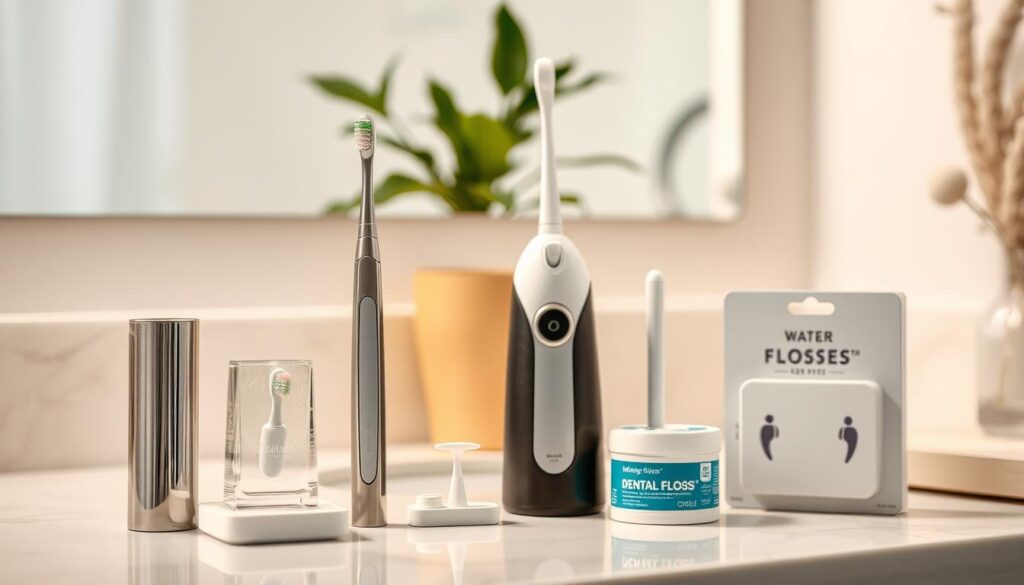
Combining things like interdental brushes, dental picks, and mouthwash can really help keep your teeth clean, especially if regular flossing is tough for you.
| Tool | Type | Best For | Notes |
|---|---|---|---|
| Interdental Brushes | Brush | Larger Gaps, Braces | Comes in various sizes |
| Dental Picks | Pick | Small to Medium Gaps | Single use, hygienic |
| Soft Picks | Soft Pick | General Use, Sensitive Gums | Soft, flexible material |
| Mouthwash | Liquid | Adjunct to flossing | Antibacterial or fluoride options |
Choosing the right flossing alternative depends on your own needs, dental issues, and what your dentist suggests. Personalized care is key for keeping your mouth healthy.
Common Misconceptions About Flossing
Despite its proven benefits, several flossing misconceptions continue to circulate. These influence how people take care of their teeth and gums. Tackling these myths is key to improving oral health myths education. It also helps promote better dental habits among everyone.
Bleeding gums during flossing are often misunderstood. True, it can be concerning at first. However, bleeding can indicate gingivitis or poor gum care. Regular flossing can actually help fix this.
People wrongly believe that flossing is unnecessary unless food is visibly stuck between the teeth. This overlooks flossing’s main purpose: to remove plaque and prevent gum diseases and tooth decay. By flossing daily, you remove plaque. This protects your gums and teeth from harmful bacteria that brushing alone won’t reach.
| Misconception | Reality |
|---|---|
| Flossing is only needed when food is visible between teeth. | Daily flossing is essential for removing invisible plaque and preventing gum disease. |
| Flossing causes bleeding gums and should be avoided if bleeding occurs. | Although it might be scary, bleeding can be a sign of gum disease. Regular flossing can improve gum health over time. |
Correcting these flossing misconceptions can lead to better oral hygiene routines and dental health. It’s critical to educate people on the real benefits of flossing, including addressing fears like bleeding gums. Regularly debunking oral health myths is crucial for everyone’s dental well-being.
The Relationship Between Diet and Dental Care
Diet plays a big role in keeping our teeth and gums healthy. A dental care diet focuses on eating what’s good for our teeth and gums. It also looks at how to eat to keep our mouths healthy. This includes cleaning our teeth as we eat, changing the chemicals in our mouth, and how bacteria in our mouth behave.
Foods That Require Flossing
Some foods can get stuck in our teeth and cause problems. These foods can lead to plaque and, if not cleaned well with flossing, can cause gum disease and cavities. We should watch out for:
- Popcorn – It leaves small bits stuck in our teeth.
- Leafy Greens – They can cling to our teeth when we eat them.
- Meat – It can get wedged between our teeth.
We need to clean our teeth well after eating these foods to avoid dental problems.
Hydration and Oral Health
Drinking enough water is key for a healthy mouth. Water helps make saliva, which cleans our mouth and balances the acids from plaque. This can prevent cavities. So, drink water throughout the day to keep this defense mechanism working well.
Getting the right nutrients and staying hydrated can really help your daily dental care work better.
Eating fibrous foods helps clean our teeth and make saliva. Drinking enough water is just as important. Drinking plenty of water is not just about being thirsty. It also helps our saliva work well, keeping our mouth healthy.
| Advantages of Hydration | Oral Health Benefits |
|---|---|
| Maintains saliva volume | Helps dissolve food particles |
| Neutralizes oral acidity | Prevents enamel erosion |
| Washes away food debris | Reduces risk of cavities |
Teaching Children to Floss
Getting kids started with flossing for kids early on is key to good dental hygiene education. It’s important to know when to begin and how to make it fun and useful. Starting children’s oral care routines early teaches them how important it is to take care of their teeth.
Age Appropriateness for Flossing
It’s crucial to know the right time to start flossing with kids for a positive dental hygiene education. Start flossing when kids have two teeth touching, usually around two or three years old. Starting early helps them get used to flossing, making it a daily habit.
Making Flossing Fun for Kids
Making flossing for kids fun helps them want to take care of their teeth. Use tasty floss, floss picks, or tools featuring their favorite characters. Telling stories about fighting off cavity monsters during flossing can make it exciting.
- Utilize color-coded floss picks to turn flossing into a color-matching game.
- Reward charts to track their flossing habits, offering small rewards for consistent flossing.
- Engaging them with music or a video during flossing can keep them entertained and cooperative.
Being a good role model for flossing matters. When kids see adults flossing, they understand its importance. Also, dentists should give positive feedback to reinforce good flossing habits. This helps make flossing a regular part of their routine.
Professional Dental Cleanings vs. Flossing
Flossing is key for keeping teeth healthy, but professional dental cleanings add a lot. They deal with tough problems like tartar and hard-to-reach spots under the gums that flossing alone can’t handle.
At a cleaning, dental pros deeply clean off plaque and tartar. This step is vital. Plaque and tartar can cause gum disease and cavities if not removed. Regular cleanings help keep your teeth and gums healthy for a long time.
Also, when you go for a cleaning, they polish your teeth. This makes your teeth smooth. It helps to prevent more plaque from sticking. For tips on better flossing techniques, you can check out resources like Valuable Dental Health Tips.
Don’t forget the importance of seeing your dentist regularly. These check-ups are a big part of caring for your teeth. Dentists can spot problems early, stopping bigger issues before they start. This is key to keeping your mouth healthy.
The Cost of Flossing
When we talk about keeping our mouth healthy, brushing and dentist visits get most of the attention. However, we often overlook how much flossing costs. Looking at the money spent on flossing items and its impact on saving money in dental care is key to understanding why it’s a smart financial move.
Financial Impact of Flossing Supplies
Flossing expenses include buying dental floss, small brushes for between teeth, and sometimes, water flossers. While these costs seem small at first, they add up over time. We also need to think about replacing these items. Plus, we might choose between simple versions or fancier ones that are easier to use or work better.
| Item | Cost | Replacement Frequency |
|---|---|---|
| Dental Floss | $1-$3 | Monthly |
| Interdental Brushes | $3-$10 | Monthly |
| Water Flosser | $30-$90 | Annually |
Long-Term Savings from Preventive Care
Flossing regularly is not just about clean teeth. It’s also a big part of saving money by preventing problems. Research shows that good dental habits, like flossing every day, can greatly lower the need for expensive dental work. This means we can avoid paying a lot for fixing cavities, treating gum disease, or other big dental issues.
By spending a little on flossing now, we can avoid huge dental bills later. This fits with the goal of saving money on dental care in the long run. Spending a small amount regularly helps us dodge big costs in the future.
In the end, the money we spend on flossing is easy to see. But the real value comes from the health and money it saves us over time. Flossing is an investment in our health that pays off much more than it costs. It’s essential for smart dental care budgeting.
Real-Life Testimonials
We look into personal and professional experiences to show how flossing is good for your teeth. Stories of success from people who floss, dentist advice, and happy patients tell us how important flossing is.
Let’s start with stories from people themselves:
“Flossing every day has made my gums much healthier. I’m not scared of going to the dentist anymore!” – a patient who believes in flossing.
Dentists also believe in flossing:
“Patients who floss daily show amazing oral health. Flossing is key.” – words from a top dentist.
Real-life data supports these stories:
| Patient Age Group | Improvement in Gum Health After Daily Flossing | Dentist Rating of Overall Oral Health Improvement |
|---|---|---|
| 20-30 years | 40% reduction in gingivitis symptoms | Highly improved |
| 31-50 years | 50% fewer gum disease cases | Significantly improved |
| 51+ years | 30% improvement in gum health | Improved |
All these stories and data together show how much flossing can change our dental health. By flossing carefully every day, we all can see big benefits for our teeth.
Conclusion: Flossing in Your Daily Routine
Getting your dental health right means more than visiting the dentist. We’ve seen how crucial flossing is. It fights gum disease and tooth decay. It’s a key part of care that reaches what toothbrushes can’t.
Research shows flossing each day keeps the gaps between teeth clean. This keeps your whole mouth healthy.
Summarizing Key Points on Flossing
Flossing daily with the right method is important. Whether you use regular floss, water flossers, or brushes, choose what suits you best. Flossing’s big role in keeping our gums healthy is vital for our wellbeing.
How to Incorporate Flossing into Daily Life
Making flossing part of your day is easy. Try linking it with brushing or showering. This builds a strong, healthy habit.
When you floss regularly, you’re taking care of your overall health. Starting this habit makes your dental health better.