Post-Cleaning Teeth Sensitivity: What to Expect

Ever wonder if a clean smile can feel a bit too sharp? Many people ask, Will my teeth be sensitive after a cleaning? because sometimes the new enamel can feel a bit prickly.
During routine cleanings, plaque and tartar get removed. This can expose parts of the tooth that might feel sensitive to touch or temperature. You might feel a bit sore afterward, but this is usually a sign that your teeth are clean.
Key Takeaways
- Short-lived discomfort after a cleaning is common.
- Exposure of new surfaces can bring brief sensitivity.
- A little soreness may indicate an effective procedure.
- Regular cleanings help prevent deeper gum concerns.
- Being informed eases concerns about minor post-cleaning twinges.
Understanding Teeth Sensitivity After a Cleaning
Dental experts say that removing plaque and tartar can briefly expose deeper layers. This can make teeth feel more sensitive. This feeling, known as post-dental cleaning sensitivity, shows that the cleaning was effective. It usually goes away once your teeth adjust.
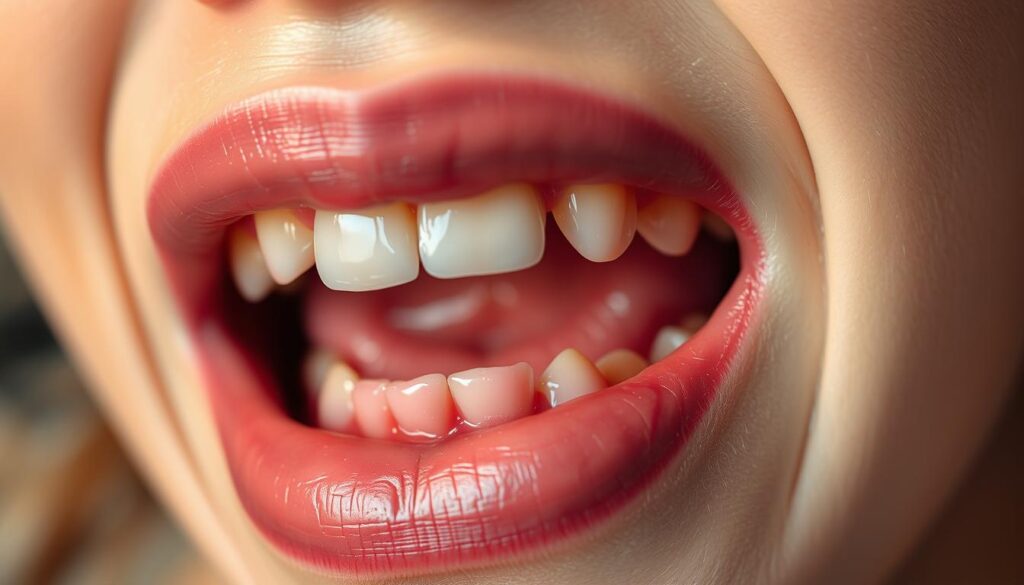
To learn more about possible discomfort from deep cleaning, check out
this guide. Many people find that a little tingling is a good sign. It means the hardened deposits were successfully removed.
What Causes Teeth Sensitivity?
Wear and tear on enamel, gum recession, and dentin exposure can make teeth tender. Cleaning tools can also cause brief discomfort. This happens when the plaque is removed.
How Common is Sensitivity Post-Cleaning?
It varies from person to person. Some might not feel anything, while others might notice a bit of throbbing. But, sensitivity usually fades in a few days as teeth get used to it again.
Signs You May Experience Sensitivity
- Twinges while sipping cold drinks
- Mild pressure around the gumline
- A short, sharp reaction to hot beverages
Factors Influencing Sensitivity Levels
Many things can affect how sensitive your teeth feel after cleaning. Your age, how thick your enamel is, and any past dental work all play a part. Some people might feel a mild tingling, while others might feel sharp pain.
Tooth Condition and Past Dental Issues
Issues like gum recession, enamel loss, or old cavities can make sensitivity worse. Without enough enamel, your teeth are more sensitive to temperature changes or pressure. Knowing about these problems helps your dentist give you better care.
Type of Cleaning Performed
Brushing daily gets rid of surface plaque. But sometimes, deeper dirt stays. Dental offices might do:
- Standard prophylaxis for routine plaque removal
- Scaling and root planing for deeper periodontal pockets
These methods aim to clean thoroughly, but they might make your teeth feel sensitive for a bit.
Professional Versus At-Home Care
Dental checkups can find hidden problems that cause tooth sensitivity. Brushing at home is important for prevention. But, dental visits can spot problems early. Talking to your dentist helps find ways to protect your sensitive teeth.
| Factor | Potential Impact on Sensitivity |
|---|---|
| Pre-Existing Damage | Heightens sensation due to exposed dentin |
| Deep Cleaning Procedures | Removes stubborn plaque but may raise short-term tenderness |
| Consistent Follow-Up Care | Monitors enamel wear and preserves long-term comfort |
What to Expect During a Professional Cleaning
A dental cleaning visit often includes a detailed check of your teeth and gums. The goal is to remove buildup while keeping you comfortable. This helps avoid any sensitivity after the cleaning.

Typical Steps in a Dental Cleaning
The cleaning process has several steps to improve your oral health:
- Inspection: A thorough look at enamel and gum health.
- Removal of surface stains: Gentle buffing to clear external discoloration.
- Strategic advice: Practical tips for ongoing care.
For more information, check out our
dental check-ups and cleanings guide. It offers tips on protecting your teeth.
The Role of Scaling and Polishing
Scaling removes tough deposits from tight spaces. Then, polishing smooths out your enamel. This helps avoid irritation and reduces sensitivity over time.
Use of Fluoride Treatments
Some dentists finish with a fluoride treatment. This adds strength and protection to your teeth. It also helps prevent lingering discomfort, giving you peace of mind for your oral health.
How Long Does Sensitivity Last?
Many people wonder how long they’ll feel sensitive after a dental cleaning. This time can vary. It depends on your gum health and the cleaning’s depth.
Immediate Post-Cleaning Sensitivity
Right after a dental cleaning, you might feel some discomfort. This is because your teeth are exposed. If you have sensitive teeth, you might feel tingling or irritation from hot or cold drinks.
Days Following the Cleaning
Sensitivity usually goes away in a few days. Using gentle toothpaste and mouthwash for sensitive teeth can help. Taking good care of your teeth every day can speed up healing.
When to Consult Your Dentist
If the sensitivity doesn’t go away or gets worse after a week, see your dentist. Long-lasting pain could mean gum problems or weak enamel. Getting it checked early helps keep your teeth healthy and boosts your confidence in dental care.
Remedies for Post-Cleaning Sensitivity
Many people look for ways to ease discomfort after dental work. Aftercare for sensitive teeth after cleaning can make this stage easier. There are methods to calm nerve endings and keep teeth healthy.
Over-the-counter pain relievers can help right away. Ibuprofen and acetaminophen ease gum tenderness. Sedative mouthwashes also block sharp feelings for a while.
Over-the-Counter Solutions
Pharmacies have special rinses to strengthen teeth and calm sensitive spots. Mild antiseptic formulas fight inflammation during recovery. Experts recommend products with soothing ingredients that don’t irritate new treatments.
Recommended Toothpastes for Sensitive Teeth
Sensodyne and Colgate Sensitive Pro-Relief toothpastes have potassium nitrate or stannous fluoride. These ingredients help with hot and cold food pain. Here’s a quick table of two common additives:
| Active Ingredient | Potential Benefits |
|---|---|
| Potassium Nitrate | Calms nerve endings to reduce painful twinges |
| Stannous Fluoride | Builds a protective shield over exposed dentin |
Home Remedies to Alleviate Discomfort
Warm saltwater rinses can soothe gums after cleaning. Gentle brushing and avoiding extreme temperatures help. These practices help each person heal at their own pace.
Preventing Sensitivity After Dental Cleanings
There are steps you can take to manage dental cleaning sensitivity and keep your enamel healthy. Talking openly with your dentist helps them use gentle methods and tailor care to you. Regular visits catch small problems early, preventing long-term pain.

Communication with Your Dentist
Telling your dentist about your dental history and current issues is key. This information helps them choose safe treatments, reducing pain after a dental cleaning and exam. Regular updates also help improve how they manage your pain.
Establishing a Tailored Cleaning Plan
Dental teams can make a cleaning plan that fits your needs. If you have gum recession or weak enamel, they can adjust the cleaning to avoid sensitivity and keep you comfortable.
Importance of Regular Dental Visits
Going to the dentist regularly helps prevent plaque and tartar buildup. This lowers the chance of long-term problems. Catching and treating small issues early can prevent sharp tooth sensitivity.
- Share medical background comprehensively.
- Schedule frequent checkups for early problem detection.
- Follow recommended at-home care instructions.
| Strategy | Benefit |
|---|---|
| Topical Numbing Gels | Reduces unpleasant sensations during scaling |
| Customized Tools | Minimizes irritation on sensitive areas |
| Routine Cleanings | Prevents plaque buildup that inflames nerves |
When to Seek Further Evaluation
Some people feel discomfort after cleaning that can affect their daily life. This situation needs a closer look and a plan tailored just for them. It’s important to keep working on reducing sensitivity after cleaning. But, getting help from a professional is key when symptoms are more than usual.
Persistent Sensitivity Symptoms
Minor aches usually go away in a few days. If you don’t feel better with gentle care and pain relievers, it might be a sign of something more. Seeing a dentist is a good idea if symptoms last longer.
Other Signs That May Require Attention
There are signs that mean you should get checked out:
- Continuous swelling in gums or cheeks
- Ongoing bleeding during brushing
- Unusual throbbing or localized pain
These signs could mean there are hidden cracks or inflammation.
Importance of Follow-Up Appointments
Regular dentist visits help catch problems early. They keep your care plan on track. Dentists who focus on sensitivity can check for changes and suggest the right steps to stay comfortable. Getting checked regularly can stop small issues from becoming big problems.
The Impact of Teeth Sensitivity on Oral Health
Teeth sensitivity can make daily life harder. It might make you avoid certain foods or drinks. This can hurt your oral health by making you less likely to take care of your teeth.
Practical steps and dental hygiene tips for post-cleaning sensitivity can help. They make it easier to take care of your teeth.
Dietary Considerations Post-Cleaning
Eating softer foods can help. Avoiding very hot or cold foods is also good. Try blended soups or mashed veggies instead.
Choose mild, non-acidic foods. They are easier on your gums and help them heal.
Maintaining Good Oral Hygiene
Use a soft-bristled toothbrush for gentle brushing. This helps keep your enamel strong. Brush in short, gentle strokes around your gums.
Use an antibacterial mouthwash to clean hard-to-reach areas. This way, you can avoid using too much force. Sticking to a regular routine helps keep your teeth clean and strong.
Regular Monitoring of Sensitivity Levels
Keep track of how sensitive your teeth are. This helps you know what to do next. Small changes, like using special toothpaste, can make a big difference.
Make sure to see your dentist regularly. This helps you stay on top of your oral health. It ensures your dental hygiene tips for post-cleaning sensitivity keep working well.
Conclusion: Managing Expectations After Cleaning
After cleaning, some people feel sensitivity in their teeth. This is a sign that plaque and tartar have been removed. It might feel a bit uncomfortable, but with regular care, the pain will go away.
Products like Sensodyne can help ease the pain. They make it easier to brush and chew without worry.
Final Thoughts on Teeth Sensitivity
A little tingle after cleaning is normal. But if the pain is strong or lasts a long time, see a dentist. They can suggest the best way to care for your teeth.
This advice helps you take better care of your teeth. It also keeps you aware of any sudden changes in how your teeth feel.
Encouragement for Regular Cleanings
Going to the dentist regularly is key. It helps catch problems early. This way, you can avoid bigger issues that might hurt more.
With a good cleaning plan, you’ll feel less pain. Plus, you’ll be taking care of your teeth in a way that keeps them healthy. Regular visits help you keep a healthy smile.
Reassurance About Dental Care and Comfort
It’s possible to have pain-free teeth with the right care. Dentists use methods backed by science to make visits comfortable.
Using a soft brush or gentle mouthwashes can help. Being proactive about your teeth’s health is the best way to keep them pain-free for a long time.