Tooth Implant Procedure: Placement Explained
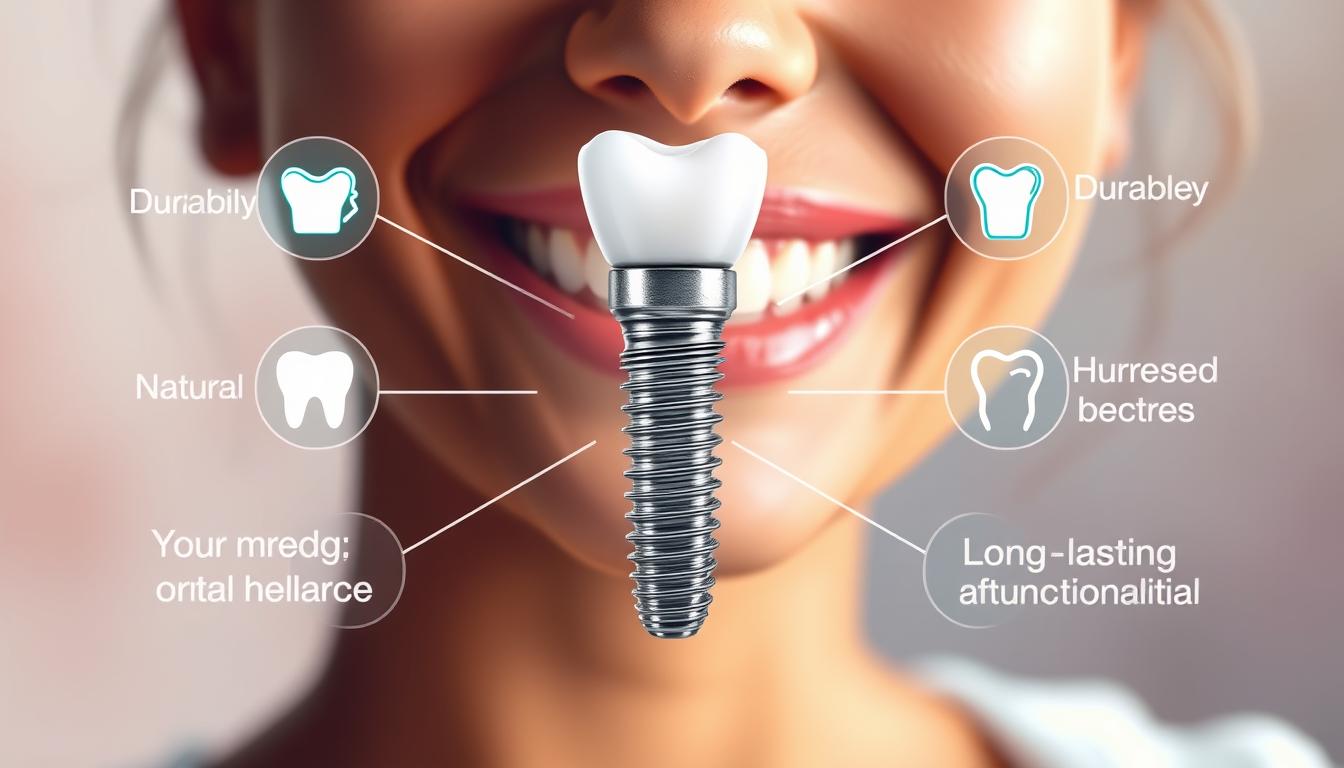
Every year, over 5 million tooth implants are put in place in the USA. This shows the dental field’s growth in fixing teeth. The tooth implant placement process helps those who’ve lost teeth. It doesn’t just bring back their ability to eat and speak well, but also keeps their smile looking natural. A dental implant placement guide is very helpful for understanding this advanced procedure. It combines dental skills with the body’s ability to heal.
Getting a dental implant involves several steps and can take many months. This is to make sure the implant joins well with the jawbone. It starts with a detailed check-up and ends when a crown that looks just like the real teeth is put in place. Knowing how is a tooth implant placed in the mouth is important. Both patients and dental pros need to know about this complex but very helpful process.
Key Takeaways
- Understanding the steps in the tooth implant placement process is vital for those considering this tooth replacement option.
- A dental implant involves multiple stages, including consultation, implantation, and restoration phases.
- Proper bone healing around the implant is critical; the dental implant placement guide explains this timing.
- The guide can assist in preparing patients for what to expect regarding how a tooth implant is placed in the mouth.
- Dental implants are not a quick fix but are a long-term investment in oral health, offering durability and functionality akin to natural teeth.
- Patients benefit from a clear explanation of each step to better understand the benefits and requirements of tooth implant surgery.
What Is a Tooth Implant?
Tooth implant surgery is key in today’s restorative dentistry. It offers a lasting fix for lost teeth. It improves how we chew and boosts the look of our smile.
The dental implant process involves putting metal posts, like titanium, into the jaw. These posts stand in for the roots of lost or damaged teeth. The goal is for these posts to fuse with the bone, creating a solid foundation for new teeth.
Tooth implants are versatile. They can replace one tooth or many. They can even hold a full set of dentures in place. Let’s explore tooth implants further and their various types for different dental issues.
Definition of a Tooth Implant
A tooth implant is a titanium metal post. It replaces the root part of a lost tooth. After a surgical procedure, the implant is placed into the jawbone. It then holds crowns or artificial teeth firmly in place.
Types of Tooth Implants
| Type | Characteristics | Typical Usage |
|---|---|---|
| Endosteal Implants | Placed directly into the jawbone Most commonly used type |
Individual crowns, bridges, dentures |
| Subperiosteal Implants | Sit on top of the jawbone but under the gum A safe alternative when bone quantity is not enough for endosteal implants |
Helps dentures stay in place when jaw structure is limited |
Choosing the right implant type is important. The choice depends on the individual’s bone quality, dental process details, and health. Both types work to bring back function and improve dental health.
Why Choose Dental Implants?
Choosing the right solution for missing teeth is vital for your long-term dental health and comfort. Dental implant surgery steps are a top choice compared to traditional dentures. They offer significant lifestyle and oral health benefits. Knowing why to choose a tooth implant procedure helps people make the best decision.

Dental implants don’t slip like traditional dentures, avoiding embarrassing moments. They’re anchored into the jawbone, giving strength similar to real teeth. Also, made of titanium, implants don’t decay. Plus, they stop jawbone erosion by stimulating the bone, unlike dentures.
Though they cost more upfront, dental implants are cheaper in the long run. They last longer and need fewer repairs than dentures. Dentures often need adjusting or replacing, adding unexpected costs over time.
- Permanent with a natural feel: Dental implants work like real teeth. You can eat your favorite foods without discomfort.
- Jawbone preservation: Implants promote natural bone growth. This keeps the jawbone firm and reduces bone loss.
- Improved oral health: Implants don’t require altering other teeth. This keeps more of your natural teeth intact, boosting oral health in the long run.
The advantages make dental implants a clear choice for many. The detailed tooth implant procedure not only improves looks but also ensures better dental health and function.
The Tooth Implant Procedure Overview
Getting a tooth implant involves careful planning and understanding. It starts with a consultation and detailed treatment planning.
Initial Consultation and Evaluation
At the start, dentists deeply examine your mouth to check if you can get an implant. They use X-rays and 3D scans to see your oral structure clearly. This helps figure out the best way to insert the implant.
They also review your health history. This is to find any issues that might affect the implant’s healing process.
Treatment Planning
After evaluating your needs, a personalized treatment plan is created. It outlines the steps for the implant placement. The plan covers the implant’s type and size, where it goes, and your jawbone’s health. This careful planning ensures your mouth’s structure is protected and the implant lasts a long time.
The steps laid out for dental implants are critical. They highlight the importance of detailed planning and professional execution. This offers a strong base for successful and lasting dental results.
Preparing for the Procedure
Getting ready for a tooth implant involves specific steps. These steps help make sure the implant works well and lasts. They are designed to give the best results for the patient.
Pre-Procedure Instructions
Following pre-procedure advice is key. This includes keeping your mouth clean and maybe using an antibacterial mouthwash. This helps lower infection risks. It’s also important to not eat for a while if you’ll be sedated. Plus, you should plan a ride home because you won’t be able to drive after.

Necessary Imaging and X-Rays
Getting the right images is a must for placing tooth implants. Tools like X-rays or CT scans check the bone’s quality. This ensures the implant fits just right.
Here’s a table showing key imaging methods and why they matter:
| Imaging Technique | Purpose | Importance |
|---|---|---|
| X-rays | Evaluation of bone density and structure | Crucial for determining implant placement location and angle |
| CT Scans | 3D imaging of teeth, jawbone, and nerves | Essential for complex cases and precise surgical planning |
Using imaging carefully helps plan the implant placement well. This makes the implant more effective and longer-lasting. It’s part of delivering top-notch dental care.
Anesthesia and Comfort
When getting a tooth implant, it’s key to know about anesthesia and how it helps with comfort. Anesthesia makes sure the surgery is as pain-free as can be. This is a big part of the tooth implant process.
Comfort for patients isn’t just about stopping pain. It also means helping them feel less worried. Patients need to feel calm and know what’s happening at all times.
Nowadays, advanced anesthesia makes tooth implant surgeries much better. Here are the methods often used:
- Local Anesthesia: This makes the surgery area numb. The patient doesn’t feel pain but stays awake.
- Sedation: This is for patients who get nervous about dental work. They stay awake but feel more relaxed.
- General Anesthesia: This is used for bigger surgeries. The patient sleeps through it all.
There’s a different anesthesia for every patient need and surgery type. What we choose depends on the surgery’s complexity and the patient’s health.
Patients might need to skip meals for a few hours before getting certain anesthesia types. This is especially true for sedation or general anesthesia. It’s also important to plan a ride home afterward. Some anesthesia effects can make it hard to move or think clearly for a bit.
| Anesthesia Type | Applications | Precautions |
|---|---|---|
| Local Anesthesia | Minor surgical procedures | None required |
| Sedation | For anxious patients | Fasting, post-op transportation |
| General Anesthesia | Extensive surgical procedures | Fasting, post-op transportation |
Picking the right anesthesia is vital for tooth implant surgery. It’s not just about the implant fitting well. It also affects how the patient heals and recovers later on.
Tooth Extraction (If Needed)
Before getting a dental implant, some patients may need to have a tooth removed. This first step is key if the tooth is too damaged or decayed to save. Or, if there needs to be more room for the new implant.
Reasons for Extraction: The main reason to take out a tooth before getting an implant is if it’s too damaged to fix. This could be because of decay, injury, disease, or too many teeth causing crowding.
Procedure for Tooth Removal: How we remove the tooth depends on its condition and where it is in your mouth. The area is made numb, and special tools are used to carefully take the tooth out. It’s important to not harm the nearby areas for a successful implant later.
- A detailed check to see if the tooth needs to be removed
- Using precise tools for a gentle extraction
- Guidelines after the tooth is taken out to help healing and get ready for the implant
This careful preparation makes sure the spot is ready for the dental implant. Following the care steps after the procedure helps make sure the implant will last a long time and work well.
The Implant Placement Surgery
The tooth implant procedure is a big step forward in dental care. It gives patients strong and good-looking solutions for missing teeth. This part talks about how dentists put in dental implants. It shows how careful and skilled they need to be.
The surgery starts with a small cut in the gum. This shows the bone where the implant will go. Being very accurate at this step helps avoid damage to the tissue. This helps patients heal better.
Then, a special drill shapes the bone. This is important because it decides how the implant fits. Sometimes, dentists use a guide to make sure the implant is placed just right. This helps it work well and look good with the other teeth.
After the titanium post is in place, the dentist stitches the area to help it heal. They might even add a temporary tooth. This makes it look and work better right away while everything heals.
The steps for dental implant placement can take a few hours. How long it takes depends on how many implants are needed and the patient’s dental health.
After the surgery, taking care of the implant is very important. Patients need to keep clean and avoid some foods to help the healing. As the bone heals around the implant, it creates a strong base for the new tooth.
This careful surgery makes sure the implant is strong and works well for a long time. It helps patients feel good about their smiles again.
Bone Grafting (If Necessary)
Bone grafting is key during dental implant surgery if the jawbone isn’t dense enough. It ensures the implant will be stable and last a long time.
Bone grafting is necessary for some because of jawbone loss. This loss can come from gum disease, losing teeth, or injury. For the implant to work, there must be enough bone to anchor it and help it join with the jaw.
Bone grafting is sometimes essential to the success of a dental implant and can significantly extend the life and function of the implant.
Let’s explore the common materials for bone grafting:
| Type of Graft | Source | Benefits |
|---|---|---|
| Autograft | Patient’s own bone | Highest biocompatibility and success rates |
| Allograft | Donor human bone | Eliminates need for second surgical site |
| Xenograft | Animal bone | Abundant supply and good biocompatibility |
| Alloplast | Synthetic materials | Easily molded and shaped, lower risk of disease transmission |
After getting a bone graft, patients wait months for it to blend with existing bone. This phase, called osseointegration, is critical for providing a strong base for the implant.
The steps in bone grafting are designed to boost the jawbone’s ability to hold implants. Recovery varies by person, graft type, and procedure size.
This process shows the crucial and detailed preparations needed for successful dental implants. It highlights the advanced methods dentistry uses today to improve patient results.
Healing Process After Placement
The healing phase after getting a tooth implant is very important. Right after the surgery, we start the process that helps the implant work well. This includes the implant becoming one with the jawbone, which is essential for it to last a long time and stay strong.
This healing time and how well it works depend on following the dentist’s instructions and how well your body can heal.
Right at the start, it’s common to have swelling, some bruises, and feel discomfort. These signs show your body is healing. It’s very important to follow what your dental professional tells you during this time.
| Week | Expected Healing Signs | Recommended Actions |
|---|---|---|
| 1-2 | Swelling and some discomfort | Maintain a soft diet, use ice packs |
| 3-6 | Decreased swelling, initial gum healing | Gradual introduction of harder foods |
| 6-12 | Significant bone integration | Follow-up visits for progress evaluation |
Keeping your mouth clean is key to avoid infections and heal faster. If the implant doesn’t move during check-ups, it means it’s fitting in well.
Watching for signs of good healing, like less swelling and a stable implant, is crucial. Going to your dentist regularly helps make sure the implant works well for a long time. They can catch any problems early.
Knowing and following the steps and care for your dental implant can really help. It makes sure your implant heals well and works as it should.
Abutment Placement
Abutment installation is a key stage in tooth implant surgery. It links the implant and the final false tooth. Knowing when and how to install the abutment makes dental implants more successful.
The abutment is placed after the implant joins with the jawbone, a process called osseointegration. It can happen during the first surgery or after the area heals, depending on the situation. The right timing is vital to avoid failure and unnecessary delays.
Importance of the Abutment
- Stability: The abutment offers a solid foundation for the final crown, bridge, or denture, ensuring long-lasting results.
- Aesthetics: It ensures a snug fit and proper alignment, making the dental restoration look natural and work well.
- Functionality: Thanks to the abutment, the end result is comfortable and works like a real tooth.
After the abutment is in place, the gums need time to heal. This step gets the site ready for the final prosthetic. Then, a dental crown tailored to match the patient’s other teeth and fit perfectly is attached. This is crucial for full dental function and a good look.
Following a professional guide for dental implant placement leads to the best outcomes. Patients enjoy durable, natural-looking teeth.
Final Restoration of the Tooth
The final step in the dental implant process is adding the final restoration, often a dental crown. This part is vital for the implant to work fully. It needs careful work to get the best look and function.
The crown is either screwed or cemented onto the abutment. This is where science meets art. The goal is for the implant to work and look like a real tooth. It needs to match the other teeth in your mouth.
Types of Dental Crowns
There are different materials for dental crowns. The choice depends on where the tooth is, what job it needs to do, how the patient wants it to look, and other needs:
- Porcelain fused to metal
- All-ceramic or all-porcelain
- Metal alloys (gold, silver)
- Zirconia
Customizing Your Crown
Customizing your dental crown means making sure it fits right with your other teeth. It needs to look real in terms of color, shape, and size. This helps your smile look good and makes you feel confident.
| Material | Advantages | Considerations |
|---|---|---|
| Porcelain fused to metal | Aesthetic, strong | May show metal lining at gum line |
| All-ceramic | Excellent color match | Less durable than metal options |
| Metal alloys | High durability | Visible, not suitable for front teeth |
| Zirconia | Very strong, aesthetic | Requires less tooth reduction |
Follow-Up Care Post-Implant
After getting a tooth implant, taking good care of it is key. This time helps heal and keeps the implant working well for many years. By going to follow-up appointments, dentists can check on healing. They can quickly fix any issues, protecting the patient’s dental health.
Follow-up visits are super important. They check if the implant and jawbone are joining correctly. These visits confirm that healing is on track at every stage.
Good dental habits and regular check-ups are crucial for the implant’s success. Below is a table showing care tips and how often to visit the dentist after getting an implant.
| Timeframe | Care Instructions | Check-Up Frequency |
|---|---|---|
| First Week | Gentle brushing with a soft-bristle toothbrush, avoiding the implant site | 1 week post-operation |
| First Month | Use of antimicrobial mouthwash, avoiding chewy or hard foods | 1 month check-up |
| Every 6 Months | Professional cleaning and inspection of the implant | Biannual visits |
This care plan helps keep the implant healthy and looking good. Taking care of your implant is important for its long life. It ensures you have a strong and nice-looking fix for missing teeth.
Potential Risks and Complications
The success of tooth implant surgery is high. But it’s important for patients to know there are risks. Knowing about these risks is key before going for dental implant surgery steps.
One common risk is getting an infection at the site of the implant. This could lead to bigger health problems if not treated fast. There’s also a chance of accidentally harming nearby teeth or blood vessels. Though rare, these injuries can be serious. For implants in the upper jaw, there might be a risk of sinus issues if the implant goes into sinus areas.
Sometimes, the surgery might hurt some nerves. This can cause numbness or pain, either short-term or long-term. It is very important for patients to tell their dentist about any weird or lasting symptoms. This helps spot problems early.
- Infection at the implant site
- Damage to nearby teeth or blood vessels
- Sinus complications from upper jaw implants
- Nerve damage resulting in numbness or discomfort
Finding and treating symptoms early can stop problems from getting worse. Keeping the healing on track is crucial. Patients should quickly tell their dentists about any pain or unusual signs. This is very important after tooth implant surgery.
Managing Pain and Discomfort
After getting a tooth implant, it’s vital to manage the pain for a smooth recovery. How much discomfort you feel can change based on the implant’s placement and your pain tolerance. We have science-based pain relief options and tips to help make recovery easier.
Pain relief strategies after the operation are key. Dentists may give you painkillers. They might also suggest over-the-counter meds depending on what you need. It’s very important to follow their advice closely to avoid any issues.
- Avoid vigorous rinsing or smoking which can exacerbate discomfort.
- Gently apply ice to the affected area to reduce swelling and numb pain.
- Gradually reintroduce normal foods to your diet as healing progresses.
Following these steps can help make your recovery time more comfortable. This is important for the implant to successfully become a part of your mouth. Always follow the aftercare instructions your dentist gives you. If you have a lot of pain or it doesn’t go away, contact your dentist right away.
Cost of Tooth Implants in the United States
The cost of getting dental implants can make some people worry. Before we dive into numbers, know these implants are very durable and effective for dental problems.
Several things can change the price of tooth implants in the U.S. This includes how complex the case is, what materials are used, the dentist’s skill, and where their clinic is located.
- A single implant might cost between $1,500 and $6,000.
- Extra steps like bone grafting and the choice of crown can change the price too.
- Prices might be higher in big cities because their operating costs are more.
With these factors in mind, managing your budget is key:
Average Costs Explained
Though they seem expensive at first, dental implants offer great benefits. They improve your oral health, work better than alternatives, and look good, which makes them a valuable investment for your life.
Insurance and Financing Options
Paying for tooth implant surgery is possible with planning. Now, many dental insurance plans cover implants because they see them as necessary, not just optional. This could reduce your out-of-pocket costs.
- Talking to your insurance provider to see what they cover is crucial.
- If insurance doesn’t cover everything, many clinics have payment plans to help make it easier to afford what you need.
Looking into every option for financial help is important when getting tooth implants. By choosing high-quality dental care, you’re not just getting a better smile. You’re also making a smart choice for your health in the long run.
Conclusion: The Importance of Tooth Implants
Dental implants are a big step forward in dental medicine. They are not just for looks. They are key in keeping the jawbone healthy and stopping bone loss. This helps keep the mouth healthy overall.
Doctors and patients get a lot from using a detailed guide for placing dental implants. This guide helps make the implant placement very precise. It makes sure that the new tooth works well and looks good. This brings back the person’s confidence and quality of life after losing a tooth.
If you’re thinking about getting dental implants, it’s wise to talk to experts. These experts will help you understand everything better and offer care that fits just right for you. With their help, getting a new smile can be smooth and successful. This shows how committed we are to improving oral health through better medical science and education.