What are the common causes of toothache or dental pain?
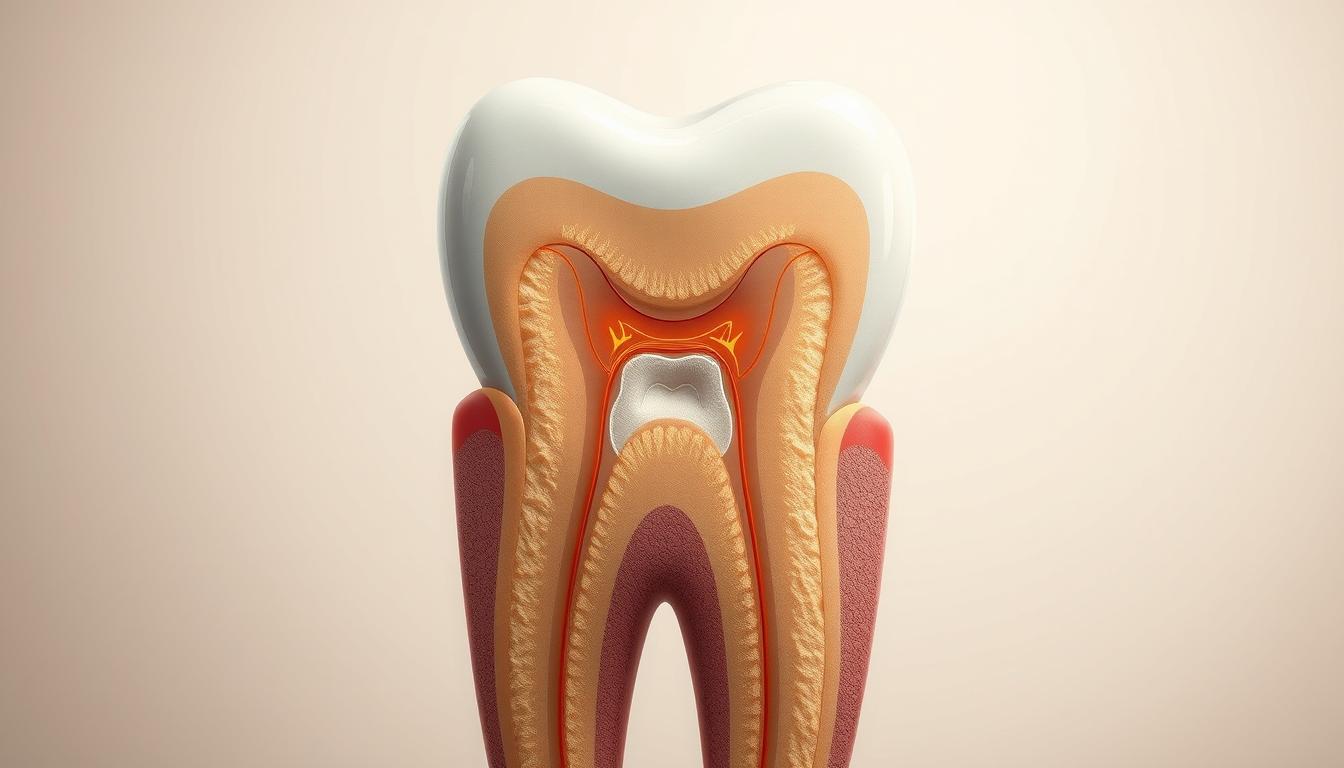
Toothaches cause millions to miss school and work in the U.S. each year. They are a big deal. Behind the pain or someone holding their jaw, there’s often a common cause of toothache or dental pain. If ignored, it can mess with not just your mouth health but your whole body’s health. A toothache might be a small bother or a big red flag that you need to see a dentist fast.
Things like cavities or severe tooth damage can start the pain. You might feel a sharp pain or your teeth might not like hot or cold food. It’s super important to deal with these problems early. A dentist can help stop it from getting worse and handle the main causes of the pain.
Key Takeaways
- Knowing why toothaches happen is key to treating and preventing them.
- Cavities, infections, and getting hurt are top reasons for toothache or dental pain.
- Problems in your mouth can lead to more than pain. They can mess with your life and overall health.
- Going to the dentist on time can mean less serious treatments and faster pain relief.
- Keeping up with your dental health and regular dentist visits can help stop toothaches before they start.
Understanding Toothache: A Brief Overview
Toothaches can mean there’s a bigger problem with your teeth or gums. Dental nerve pain plays a big role in this discomfort. It happens when the nerves in your teeth or gums get inflamed. Things like tooth pain factors and gum disease pain help doctors figure out the exact cause of the pain.
Let’s dive deeper into how these factors work together:
| Factor | Common Signs | Typical Responses |
|---|---|---|
| Dental Nerve Pain | Sharp, pulsating pain | Heightened sensitivity to hot or cold temperatures |
| Gum Disease Pain | Consistent, dull ache | Gum redness, swelling, possible bleeding |
| Other Tooth Pain Factors | Variable pain depending on cause | May include visible decay or damage to tooth structure |
It’s crucial to understand how dental pain works to stop bigger teeth issues. Getting the right diagnosis and treatment quickly is key to good dental health. As soon as you feel pain, see a dentist. This can prevent worse problems later.
Common Causes of Tooth Pain
Finding out why your tooth hurts is key to fixing and avoiding it. Many things, like daily habits and health issues, can make your teeth hurt. Let’s look at common causes such as tooth decay, gum disease, losing enamel, and teeth grinding.
Tooth Decay and Cavities
Dental pain often starts with tooth decay. Plaque’s bacteria can make acids that hurt the tooth’s surface, creating cavities. Signs of tooth decay are holes in teeth, feeling pain with sweet, hot, or cold foods, and discomfort when chewing.
Gum Disease
Gum disease, also called periodontal disease, comes from too much plaque and tartar. It begins with gum swelling, called gingivitis, and can get worse, damaging the bone and fibers that hold teeth. Symptoms include swollen, red gums, bleeding when you brush or floss, and bad breath that won’t go away.
Enamel Erosion
Too much acid from foods and drinks can cause enamel erosion, another reason for dental pain. This makes teeth thinner and more sensitive, which can lead to more decay and pain.
Bruxism (Teeth Grinding)
Bruxism, or grinding your teeth, usually happens in sleep and might be because of stress or a bad bite. This can put a lot of pressure on your teeth and jaw, causing enamel to wear away, teeth to become sensitive, and jaw pain.
Knowing these causes helps spot signs of tooth decay early and take steps to lessen tooth pain. Going to the dentist often, keeping your mouth clean, and dealing with symptoms early can stop problems from getting worse and keep your teeth healthy for a long time.
Impact of Oral Hygiene on Dental Health
Keeping a strict oral hygiene routine is vital for avoiding dental problems. Regular brushing, flossing, using mouthwash, and getting professional cleanings are key. They protect your teeth and gums.
Importance of Regular Brushing and Flossing
Brushing and flossing every day stop plaque buildup, preventing tooth decay and gum disease. They remove food particles and bacteria every day. This protects against oral health problems and reduces the chance of dental pain.
Role of Mouthwash
Adding mouthwash to your daily routine boosts dental health. Fluoride mouthwashes strengthen teeth, and antiseptic ones lower gum disease risk. Mouthwash supports brushing and flossing in keeping your mouth healthy.
Professional Dental Cleanings
Even with good care at home, professional cleanings are essential. They get rid of tartar that you can’t remove by yourself. Getting your teeth cleaned every six months is important for fighting gum problems and keeping your mouth healthy. These visits use special technology to thoroughly care for your teeth.

All these steps work together to keep your teeth healthy and avoid dental pain. Adopting a full oral care routine is vital for preventing serious dental issues.
Sensitivity to Hot and Cold Foods
Feeling a sharp pain from hot coffee or ice cream is common. This pain is often because of increased tooth sensitivity. It’s important to know why our teeth become sensitive. This helps us treat and manage the discomfort better.
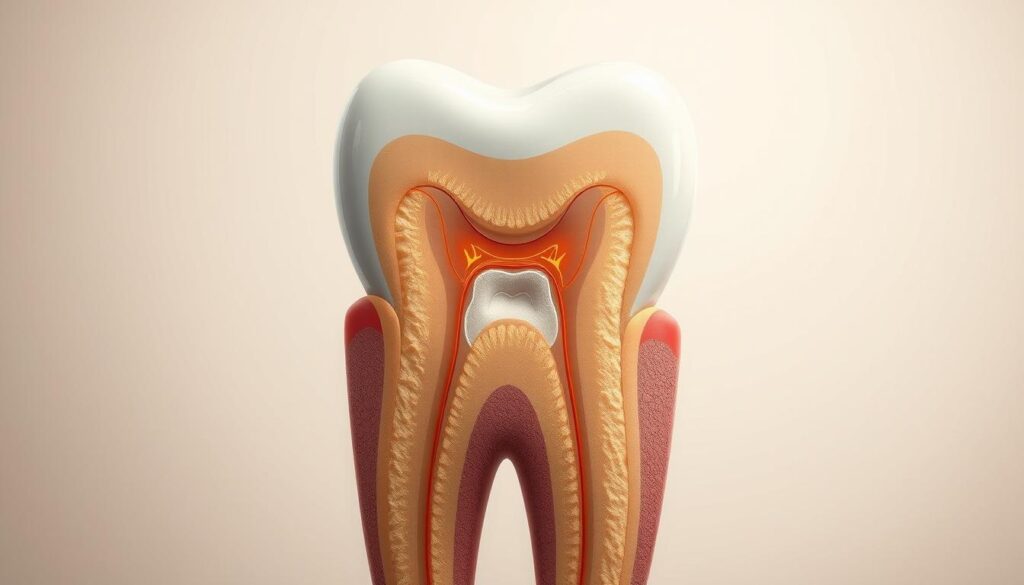
One main reason for tooth sensitivity is enamel wear. Enamel, our teeth’s protective layer, can get thinner over time. This happens because of our diet, how we brush, and our oral hygiene. When the enamel gets thin, it exposes dentin. Dentin is less dense and more sensitive to hot and cold.
Gum recession is another cause, exposing the tooth roots. These roots don’t have enamel and feel more sensitive. Receding gums can come from brushing too hard or gum disease.
- Worn tooth enamel
- Receding gums exposing tooth roots
- Minor dental decay or cavities
- Cracked or chipped teeth leading to exposed dentin
To fix tooth sensitivity, we may need to change how we brush. Using desensitizing toothpaste might help too. Sometimes, fluoride gels or varnishes are needed. These treatments make enamel stronger and less sensitive.
It’s also essential to prevent sensitivity from starting. Going to the dentist regularly helps. So does brushing gently with a soft-bristled brush. Avoiding acidic foods and drinks also protects our enamel. If you have sensitive teeth, see a dentist for personalized advice.
Knowing why our teeth are sensitive is key. It guides us to preventative measures and effective treatments. This way, we can have healthier teeth and be more comfortable in our daily lives.
Infections and Abscesses
Dental abscesses are a big deal in keeping mouths healthy. They usually start from infections that weren’t treated and can cause really bad toothaches and nerve pain. These pus pockets can harm your mouth’s health. It’s important to get them checked quickly to stop worse problems.
It’s essential to know the signs of a dental abscess so you can catch it early. Here are some common signs:
- Persistent, throbbing toothache
- Sensitivity to hot and cold temperatures
- Swelling in the face or cheek
- Tender, swollen lymph nodes under the jaw or in the neck
- Fever
Getting rid of dental infections and abscesses focuses on killing the infection and easing pain. Here are some ways to treat them:
- Antibiotics to fight the infection
- Root canals to take out infected tissue
- Draining the abscess to reduce pressure
- Surgery in serious cases to remove the infection source
Staying ahead of oral health, by spotting toothache causes and signs of dental nerve pain early, can really cut down the risk of big problems. Getting regular dental check-ups and keeping your mouth clean are key to staying healthy.
Wisdom Teeth and Their Role in Dental Pain
Wisdom teeth are the last set of molars to appear. They usually pop up in the late teens or early twenties. Often, they cause dental pain. This is because they may not fully erupt or align with the other teeth.
Impacted teeth happen when there’s not enough room in the jaw. This causes a lot of discomforts. It’s important to recognize signs of impacted wisdom teeth early. This way, you can get treatment in time.

Common Issues with Wisdom Teeth
Impacted wisdom teeth can lead to several problems:
- Inflammation and swelling: This makes the gums painful and makes it hard to move your jaw.
- Pain and discomfort: As they break through the gums, these teeth can cause a lot of pain at the back of your mouth.
- Damage to adjacent teeth: If crowded, wisdom teeth can push against other teeth, causing damage or misalignment.
- Infection: If they only partly come through, they can leave openings for bacteria, leading to infections and severe pain.
When to Seek Extraction
Dentists usually suggest taking out wisdom teeth under certain conditions:
| Reason for Extraction | Benefits |
|---|---|
| Impacted Teeth | Prevents damage to nearby teeth and lessens the chance of infections. |
| Chronic Pain | Makes you more comfortable and improves life quality. |
| Recurrent Infections | Reduces the number of dental infections and related problems. |
| Cysts or Tumors | Helps avoid serious issues like jaw damage and moving teeth. |
Knowing when to get wisdom teeth removed can prevent major issues. It’s a key way to handle dental pain.
Dental Trauma and Its Consequences
In dental health, trauma can lead to serious problems. It is one of the main dental discomfort triggers. These accidents can cause pain right away. They can also harm one’s oral health for a long time. We will look at different dental injuries and how to manage pain effectively.
Types of Dental Injuries
- Chips and Cracks: These can happen when you bite something hard or have an accident. They might be small or big enough to reach the nerve.
- Avulsed Teeth (Complete Dislocation): This serious injury happens when a tooth is completely knocked out. It often needs quick dental help to save the tooth.
- Luxation: This is when the tooth is out of place but still in the socket. It may need to be put back and stabilized by a dentist.
- Root Fractures: This is a break in the tooth’s root. It’s hard to find without an X-ray. Root fractures can make a tooth weak and unhealthy.
Pain Management Solutions
- Immediate Care: A cold compress can help lower swelling and ease pain for a while.
- Professional Dental Assessment: Seeing a dentist right after an injury is key. They can check the injuries and decide on treatments like fillings or root canals.
- Medication: For bad injuries, dentists might give pain killers or medicine to reduce swelling.
- Restorative Procedures: For heavy damage, you might need dental crowns, veneers, or implants. These help fix and make the teeth look good again.
Knowing about dental injuries and how to manage pain quickly can help lessen the impact of dental trauma. Since dental discomfort triggers differ, personalized treatment plans are key for relief and healing.
Sinus Problems and Their Relation to Tooth Pain
It’s crucial to know how sinus issues can cause toothache causes. Sinusitis can make your upper teeth and jaw hurt. This pain might make you think you have a tooth problem, but it could be your sinuses.
Sinus-related tooth pain feels dull and achy in your upper teeth. This is different from the sharp pain of cavities or gum disease. Knowing the difference helps you get the right treatment.
If you have tooth pain and also sinus infection signs like congestion, you might actually have sinus problems. After your sinus issues get better, your tooth pain should go away. This shows the real cause of your pain.
Doctors might treat sinus problems with decongestants, antihistamines, or antibiotics. These treatments reduce swelling, clear blockages, and ease the pressure on your teeth. By treating the sinuses, you can stop the pain that feels like a toothache.
Medications and Their Side Effects on Dental Health
It’s key to know how some meds affect our dental health. They can be big dental pain reasons. Drugs like antihistamines, antidepressants, and those for high blood pressure can make our mouths dry. This dryness can increase the risk for tooth decay, gum problems, and pain, feeling like a toothache.
Also, drugs called bisphosphonates, for stronger bones, might lead to a rare issue where the jaw bone suffers. It’s called osteonecrosis of the jaw. This problem can cause a lot of dental pain. That’s why patients should tell their dentists about all their meds. This way, dentists can see if the pain is because of these drugs.
Checking your meds with your dentist can help spot any issues hurting your teeth or gums. Here are some common meds and how they might mistake for dental pain reasons:
| Medication Type | Possible Dental Side Effects |
|---|---|
| Antihistamines | Dry mouth, increased risk of cavities |
| Antidepressants | Dry mouth, taste alterations |
| Diuretics | Dry mouth, gum alterations |
| Opioids | Decreased saliva, potential for gum disease |
| Bisphosphonates | Osteonecrosis of the jaw |
People with dental pain should see their doctors. It’s crucial to check if the pain is due to their meds. This check-up can help keep the medication working well. It also stops bad effects on dental health.
Nutritional Deficiencies Contributing to Tooth Pain
Good nutrition is key to keeping your teeth healthy and avoiding oral health issues. Vitamins and minerals are super important. They help stop tooth decay symptoms and dental pain. Not having enough of these nutrients can cause serious problems, like gum disease and toothaches.
Diet and oral health are closely linked. Knowing this can help us understand how not getting enough nutrients leads to tooth pain. Let’s check out some important vitamins and how they affect our teeth:
| Nutrient | Role in Oral Health | Common Sources |
|---|---|---|
| Calcium | Strengthens tooth enamel and supports jawbone density | Dairy products, leafy greens, almonds |
| Vitamin D | Crucial for calcium absorption and immune function | Fatty fish, fortified foods, sunlight |
| Vitamin C | Important for gum health and collagen formation | Citrus fruits, tomatoes, bell peppers |
| Phosphorus | Supports calcium in building strong bones and teeth | Meat, milk, whole grains |
Not getting enough of these nutrients can lead to tooth decay symptoms and other oral health issues. Eating a balanced diet full of these vitamins and minerals can really help. It will lower your chances of tooth pain and keep your mouth healthy.
Psychological Factors Affecting Tooth Pain
Looking into how our minds affect tooth pain shows a deep link between our mental and physical health. Stress is a big factor that can make tooth pain worse or even cause dental problems.
Chronic stress leads to involuntary behaviors that impact dental health, primarily through the excessive grinding or clenching of teeth, known as bruxism.
Too much stress on teeth can lead to pain and other issues. It’s key for people to see how stress might be hurting their teeth. They should then find ways to manage it.
Stress and its Impact on Dental Health
Stress doesn’t just affect teeth. It also might cause headaches, jaw pain, and trouble sleeping. Treating these problems means dealing with both the physical and mental sides of stress. Effective strategies may include:
- Mindfulness and relaxation techniques to lower overall stress levels.
- Regular physical activity, which has been proven to alleviate both stress and its physical manifestations.
- Consultation with healthcare professionals for severe cases where psychological stress manifests in significant physiological symptoms.
Using these strategies can reduce tooth pain and boost overall health. A combined approach is crucial for keeping teeth and the whole body healthy.
When to Consult a Dentist About Toothache
Knowing when to see a dentist for a toothache is key to keeping your mouth healthy. If your tooth sensitivity lasts or your gum pain gets worse, it’s time for a check-up. Paying attention to these signs is crucial. They could mean you have a serious condition.
Whether your pain is constant or comes and goes sharply, seeing a dentist quickly matters. Quick action can mean easier treatments versus complicated ones.
Selecting the Right Dental Professional
Finding a good dentist is important for fixing mouth pain. Look for a dentist with the right skills, plenty of experience, and positive reviews from patients. Dentists skilled in handling tooth sensitivity and gum issues are best. They can figure out what’s wrong and how to fix it faster.
Also, a dentist who communicates well and makes you feel comfortable is key. This helps ensure you’re both on the same page for your care.
Preparing for Your Dental Appointment
Being ready for your dentist visit helps a lot. Write down how long you’ve had the toothache, what makes it worse, and if you’ve felt this before. This information helps your dentist understand your situation better.
Also, list any allergies, medicines you’re taking, and previous dental work. These details give a full picture of your oral health. With this info, your dentist can quickly figure out the best way to treat your toothache or gum problem.