What Happens If I Hit My Tooth Hard But It Didn’t Chip Off?
More than one-third of dental trauma cases don’t show chips right away, says the American Dental Association. Even if the tooth looks fine, a hard hit can cause stress inside. This stress can be hidden.
Cleveland Clinic’s experts say to check your teeth after a hit. A hidden crack can cause nerve pain or infection later on.
Key Takeaways
- An unchipped tooth can have hidden cracks.
- Nerve damage can get worse without early treatment.
- Watching tooth color and feeling sensitivity can spot hidden injuries.
- Dental pros suggest getting your teeth checked after a hard hit.
- Acting fast often stops more problems.
- Regular dental visits help keep your mouth healthy long-term.
Understanding Tooth Structure
Teeth have layers that protect nerves and supply blood. They also handle daily stress. Each layer adds to the tooth’s strength, making care important.
Examining enamel, dentin, and pulp helps us understand tooth health. This is key when teeth face unexpected forces.

The Anatomy of a Tooth
Enamel is the hard outer layer that keeps out threats. Dentin is beneath, carrying sensations to the pulp. Inside, nerves and blood vessels work together.
These parts help teeth function under normal or sudden pressure.
Different Types of Teeth
Each tooth has a special job. Incisors cut food at the front. Canines help grip and tear. Premolars and molars grind food.
Each tooth’s shape affects how forces are spread.
| Type | Primary Role |
|---|---|
| Incisors | Cutting and slicing |
| Canines | Gripping and tearing |
| Premolars | Crushing food |
| Molars | Grinding and chewing |
How Teeth Are Bonded to the Jaw
Strong roots keep teeth in place. Periodontal ligaments connect the tooth to the jawbone. These fibers absorb shocks.
Too much force can strain these ligaments. This can cause sensitivity before any visible damage.
Immediate Effects of a Hard Hit
A hard hit on a tooth can cause sudden shock and throbbing. These signs warn us that something might be wrong. Seeing a dentist early can stop small problems from getting bigger.
- Sudden toothache
- Heightened sensitivity around the gum line
- Mild jaw stiffness
Pain and Sensitivity
Sharp pain can happen when hot or cold touches the tooth. Pulsating pain might mean the nerve is involved. Taking pain relievers can help, but seeing a dentist is key.
Swelling and Discomfort
Swelling can show up right after the hit. Warmth in the gum or cheek means blood flow is up, helping to heal. Quick checks can find hidden cracks and prevent infections.
Possible Bruising of the Gum
Dark spots in the gum might mean small blood vessels broke. These spots usually go away with good oral care. But, if they last, it could mean a bigger problem. Watching the gum’s color helps dentists figure out what to do next.
| Observation | Potential Consequence |
|---|---|
| Continuous Pain | Nerve involvement |
| Gum Discoloration | Vascular injury |
| Prolonged Sensitivity | Possible micro-cracks |
Possible Types of Injury
Blunt impact can cause hidden damage that’s hard to spot right away. Some injuries only show up after tests are done. Finding them early can save time and avoid bigger problems.

Fractures Without Visible Chips
Small cracks can form in enamel or dentin, but they don’t break off. People might feel a bit of pain when eating or drinking hot or cold things. Dental X-rays can find these hidden fractures before they get worse.
Damage to the Tooth Nerve
A strong hit can hurt the pulp inside the tooth, leading to pain or infection. The nerve gets inflamed and can cause sharp pain. Quick tests and care can stop abscesses or the need for a root canal.
Impact on Supporting Structures
The shock from trauma can harm the periodontal ligament and alveolar bone. Even a small shift can affect the tooth’s stability for a long time. Experts use tests and images to find the right treatment, keeping the tooth working and looking good.
Recognizing Symptoms of Injury
Unexpected force to a tooth may lead to subtle problems that demand close observation. If you notice prolonged soreness or if a tooth shifts, you should see a dentist. A quick check can help prevent serious oral health issues. This resource offers insights on when an immediate checkup is warranted.
Persistent Pain
Pulsing or lingering aches may signal deeper inflammation. Intense discomfort can interrupt daily tasks. Dental experts often use imaging to check for pulp damage or hidden fractures.
Early care might prevent nerve involvement.
Changes in Tooth Color
Darkening that appears days or weeks after a bump can indicate compromised blood supply. Some patients spot a grayish or brownish hue, which professionals associate with possible pulp necrosis. Swift recognition helps in limiting future complications.
Mobility of the Tooth
Wiggling or tenderness upon gentle touch can mean injured ligaments. A tooth that shifts out of alignment can disrupt normal chewing. Clinicians frequently suggest stabilization or additional therapies to encourage healthy healing.
When to Seek Dental Attention
Some people ignore small signs of tooth trauma, but this can lead to serious problems. A dentist can catch and fix issues early, preventing bigger problems. This can help keep your tooth healthy.
Signs You Shouldn’t Ignore
Pain that won’t go away and sensitivity are big warning signs. If your tooth looks different or swells, it could be serious. Even a small crack can be a big deal, says the Cleveland Clinic.
Urgent Dental Care Explained
Seeing a dentist quickly can stop small problems from getting worse. If a crack reaches the pulp, it can lead to infection. Getting help early can save your tooth and prevent pain for a long time. For more on what to do with a chipped tooth, check out this guide.
Questions to Ask Your Dentist
Knowing what to ask can help you understand your situation better. Here are some good questions:
- What tools will they use to check for deeper damage?
- Do I need a root canal or a filling?
- How can I take care of my tooth every day?
Treatment Options for Injured Teeth
When a tooth gets hit hard but doesn’t show any cracks, it might be hurt inside. Dental experts say it’s important to check the tooth well and keep watching it. This is to make sure there are no hidden cracks or pulp problems that could harm the tooth.
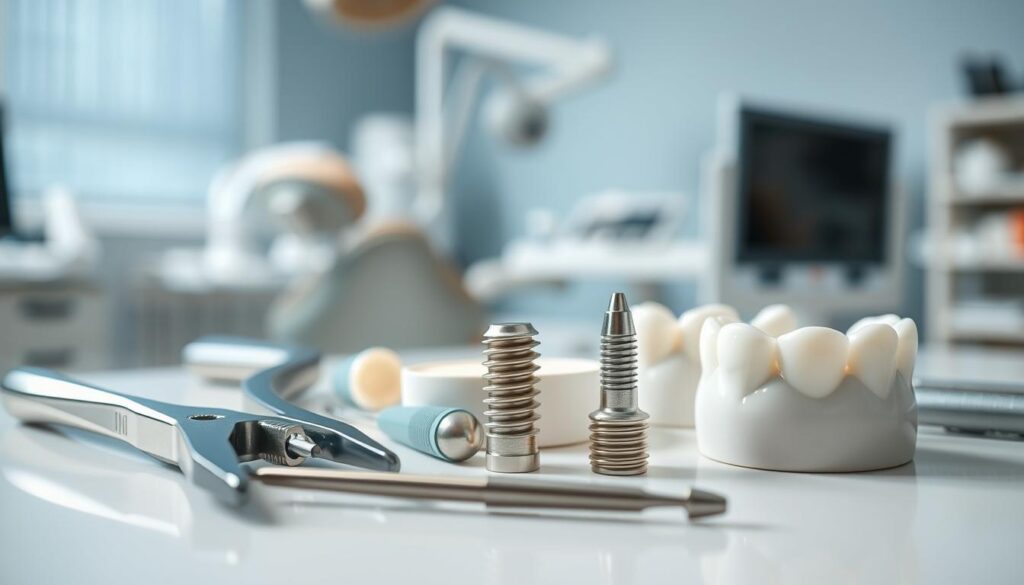
It’s important to keep an eye on it. Dentists might take more X-rays or scans to see how it’s healing. They look for signs that might need more care.
Monitoring the Injury
Small damage can get worse if not caught early. Some dentists tell patients to watch for tooth sensitivity or color changes. Regular visits help catch small problems before they get big.
Dental Treatment Options
When deeper parts of the tooth are at risk, dentists might suggest:
- Root canal therapy for pulp problems
- Crown placement to fix damaged areas
- Bonding to fix enamel
For more information, you can visit broken tooth repair.
Pain Management Strategies
For pain, over-the-counter pain relievers and warm saltwater rinses work well. Brushing gently helps the healing process. Our goal is to help the tooth heal and avoid future problems.
The Healing Process
Recovery from a dental impact depends on where the tooth is, how hard the impact was, and your overall health. Some people get better quickly with little pain. Others might need more time and help to feel comfortable and function well again.
How Long Does Recovery Take?
A stressed tooth usually heals in a few weeks if the injury is minor. You might feel some sensitivity, but it usually goes away. But, if the injury is more serious, you need to be extra careful. You can check how you’re doing by watching for signs or asking a dentist like the American Dental Association.
Caring for a Stressed Tooth
Being gentle with your tooth helps it stay stable and avoids problems. Here’s what to do:
- Eat softer foods and avoid crunchy snacks
- Brush carefully and thoroughly
- Use antiseptic mouthwashes to fight bacteria
Follow-Up Dental Visits
Regular dental check-ups are important to make sure you’re healing right. Dentists use exams and X-rays to look for any issues. Talking openly with your dentist helps prevent future problems and keeps your tooth healthy for a long time.
Preventing Future Injuries
Taking care of your teeth every day is key. Good oral hygiene makes your teeth strong against sudden hits. The American Dental Association says regular dentist visits are important for keeping your teeth healthy.
Good Oral Hygiene Practices
Brushing your teeth well and flossing regularly helps prevent plaque. Fluoride toothpaste helps make your teeth stronger by creating a protective layer. These habits help protect your teeth from breaking when accidents happen.
Wearing Mouthguards
Mouthguards spread out the force of impacts. They protect your teeth from hard hits in sports like hockey or skateboarding. Custom-made mouthguards fit your mouth well, making them more effective.
Being Mindful of High-Risk Activities
Biting hard objects or ignoring protective gear can damage your teeth. Knowing about common dangers helps protect your teeth. It’s best to avoid chewing on ice or using your teeth to open things.
Here are some important steps to protect your teeth:
| Action | Benefit |
|---|---|
| Daily Brush & Floss | Removes plaque and debris |
| Mouthguard Use | Lessens direct impact on enamel |
| Regular Checkups | Identifies hidden issues early |
How Tooth Health Affects Overall Wellness
Many healthcare experts say strong teeth are key to good health. Gum inflammation or hidden infections can weaken the immune system. A stressed tooth can also affect how well we eat and perform daily tasks. Common ways to accidentally break a tooth remind us to seek help for even small injuries.

Nutrients travel to our teeth through the blood. Any blockage can lower energy and weaken our stability. People with healthy teeth often face fewer health problems, showing the link between oral health and the body’s functions.
Connection Between Oral Health and Body
Studies show that mouth bacteria can cause inflammation in other parts of the body. Dentists and doctors work together to treat problems that affect both teeth and other health areas.
The Importance of Regular Checkups
Regular dental visits catch small issues before they get worse. Early treatment can save a tooth. Dentists offer tips on brushing and other ways to prevent problems.
Impacts of Neglected Tooth Issues
Bad teeth can hurt our confidence and make eating hard. They can also limit what we eat, leading to nutrient gaps and weight changes. Taking care of our teeth is important for our health and happiness.
The Role of Diet in Dental Health
Diet greatly affects tooth health. It helps enamel resist wear and damage. Eating well gives teeth the strength they need to heal when injured. This blog post explores how diet impacts healing.
Foods to Avoid for Healthy Teeth
Stay away from foods high in sugar or acid. Drinks like soda, candies, and processed snacks harm teeth. They weaken tooth defenses.
Sticky foods create acid pockets that damage enamel. Eating these foods often can lead to tooth decay and pain.
Nutrients That Strengthen Teeth
Calcium, vitamin D, and phosphorus are key for strong teeth. Foods like leafy greens, dairy, and nuts are good for teeth. They help repair and strengthen teeth.
Eating a variety of whole foods is important. It helps keep teeth healthy and strong.
Hydration and Its Importance
Drinking water boosts saliva production. Saliva helps neutralize acids and clean teeth. It also carries minerals that strengthen teeth.
Staying hydrated is essential for tooth health. It helps protect teeth from damage.
Psychological Effects of Tooth Injury
Getting hurt in a tooth can make you feel less confident and stressed. Some people worry about going back for more care, which can slow things down. It’s important to see the emotional side of tooth injuries to help with both physical and mental health.
Anxiety Related to Dental Issues
Feeling scared about pain or how you look is common. Studies from the American Dental Association show that stress can slow healing. Simple steps like deep breathing can calm nerves before and during dental visits.
Coping Mechanisms Post-Injury
There are practical ways to move forward. Techniques include:
- Mindfulness sessions to reduce negative thinking
- Cognitive-Behavioral Therapy (CBT) to reframe worries
- Gentle exposure to dental settings for gradual reassurance
| Method | Purpose | Benefit |
|---|---|---|
| Breathing Exercises | Calm the nervous system | Lower stress levels |
| CBT Sessions | Shift anxious thoughts | Boost self-efficacy |
| Support Groups | Share experiences | Foster resilience |
Support Resources and Counseling
Working together, dentists and mental health experts help more. Private counseling lets you talk about your fears. Group sessions build a supportive community. This approach helps you stay motivated and improves your mental health.
Conclusion: Importance of Dental Awareness
Even if teeth look fine after a hard hit, they might be hurt inside. Small cracks or nerve issues can hide beneath the surface. A little toothache could mean a big problem. So, taking care of your teeth is key for everyone.
Summarizing Key Takeaways
Teeth that look okay might actually be injured. Early checks can find hidden problems like cracks or pulp damage. By working together, experts and patients can keep teeth healthy and avoid serious issues.
Encouragement for Vigilance
Don’t ignore any tooth pain. It could mean something serious. Regular dental visits can spot changes in tooth color or shape. Learning about dental check-ups and cleanings helps prevent future problems.
Final Thoughts on Oral Health Maintenance
In the U.S., people are excited about new dental research. Using mouthguards, eating right, and taking care of teeth daily is important. These steps help teeth stay strong and show our dedication to good dental care.