What is a Dental Implant and How Does it Work to Replace a Tooth?
Dental implants have changed how we see tooth replacement. Now, over 3 million people in the United States have them. This number increases by 500,000 every year. But, what exactly is a dental implant? How does it fit and work in our mouths just like a real tooth?
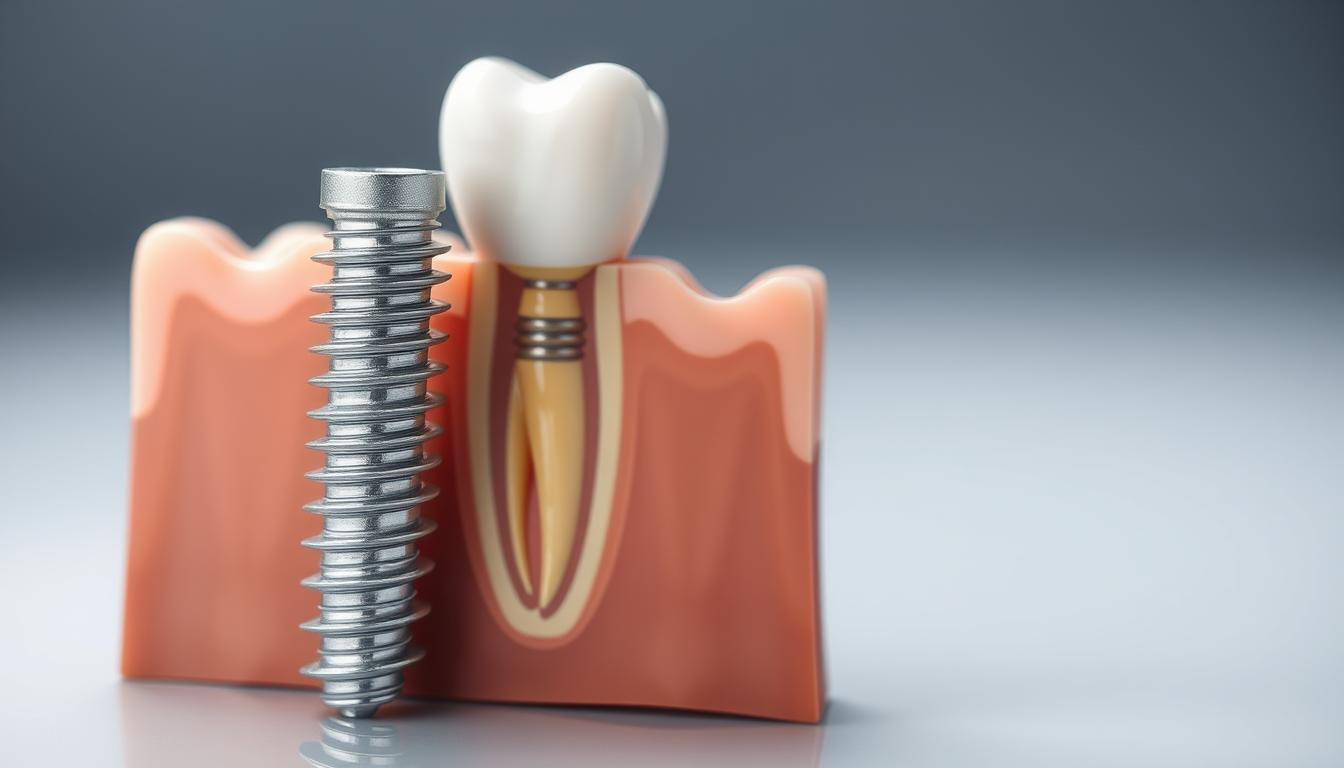
Dental implants are like modern artificial tooth roots. They are mostly made of titanium, a strong material that bones like. These implants are put into the jawbone through surgery. Once in place, they bond with the bone in a process called osseointegration. This makes a firm base for the crown, or false tooth, to be placed on. This connection doesn’t just hold the new tooth in place. It also keeps the jawbone strong.
Getting a dental implant is about bringing back your tooth’s look, feel, and work. The right people for this are those with enough jawbone, good oral hygiene, and the readiness for a detailed, step-by-step procedure. The process is customized for each person. It promises durable and good-looking teeth.
Key Takeaways
- Dental implants offer a sturdy, bio-compatible solution for tooth replacement.
- Osseointegration is critical to the stability and longevity of an implant.
- Comprehensive planning is essential to tailor the implantation process to each patient.
- Tooth replacement with dental implants preserves jawbone health and facial structure.
- The suitability of dental implants is determined by several patient-specific factors.
- Dental implant benefits transcend aesthetics, including improved oral function and comfort.
Understanding Dental Implants
Dental implants are key in modern dentistry for replacing missing teeth. They use advanced technology to restore both function and confidence in smiles. This section dives into the makeup of a dental implant and its various parts.
Definition of a Dental Implant
A dental implant is a surgical part that joins with the jawbone. It supports things like crowns and bridges. It’s crucial in dental implant procedures, acting as the base for restorations that look and work like real teeth.
The Components of a Dental Implant
The design of a dental implant is complex, made to work well with human bodies. The implant, usually titanium, is the main piece placed into the jawbone. The abutment connects this implant to the final dental piece.
Then, the crown or fake tooth gets put on the abutment, finishing the procedure. This not only brings back the tooth’s look but its job too.
These parts work together, providing strong and compatible support with the body. They restore a missing tooth without hurting the teeth next to it. This makes dental implants a top choice for fixing smiles.
The Purpose of Dental Implants
Dental implants have changed the game in fixing tooth loss. They go beyond what bridges offer, improving smiles and oral health.
When you’re looking at dental implant vs bridge, it’s clear there’s a big difference. Bridges mess with healthy teeth next to the gap. But, dental implants stand alone, keeping your natural teeth untouched and safe.
| Advantage | Dental Implants | Dental Bridges |
|---|---|---|
| Impact on Adjacent Teeth | No alteration required | Requires alteration |
| Longevity | Can last a lifetime with proper care | 5-15 years on average |
| Oral Health Benefits | Prevents jawbone degeneration, supports facial structure | Limited support for jawbone, potential for further tooth loss |
| Initial Cost | Higher but cost-effective in the long term | Lower but may require more frequent replacements |
Improving oral health with dental implants is key. They bond with your bone, keeping your jaw strong. This fights the jawbone loss that comes with missing teeth.
In the end, dental implant benefits beat just looking good. They’re a fantastic choice for lasting dental health and keeping your smile strong. They fix your oral health from the ground up, unlike bridges.
The Procedure of Dental Implantation
Getting dental implants to restore your smile is a step-by-step journey. It starts with a consultation, moves to precise surgery, and ends with healing. This ensures a high success rate for dental implants.
Initial Consultation and Planning
The journey to effective dental implant surgery starts with a detailed consultation. Dental experts check your oral health and medical history. They also use advanced imaging to plan the implant precisely. Creating a personalized treatment plan is key to success.
Surgical Process of Implant Placement
The surgery for placing dental implants is done with great care. First, a tiny cut is made in the gum to reach the bone. Here, the titanium post, acting as a new root, is inserted. Afterward, the gum is stitched up to heal. The process uses local anesthesia and modern technology for the best outcomes.
Healing and Osseointegration
Healing after surgery, especially osseointegration, is crucial. This is when the implant bonds with the jawbone. It can take several months but ensures the implant is solid and lasting. A well-integrated implant means a stable and durable new tooth, raising the success rate of the procedure.
Types of Dental Implants
The advancement in dental tech has introduced many ways to replace teeth. Among these, dental implants are key. They help both patients and dentists pick the best option based on the patient’s oral health needs.
Dental implants fall into two categories: endosteal and subperiosteal. Each type has its own purpose and suits different patient situations.
Endosteal Implants
Endosteal implants are very popular and widely used. They are placed directly into the jawbone. After the area heals, another surgery is needed to attach a post to the implant. An artificial tooth (or teeth) is then attached to the post. It can be done either one by one or in groups on a bridge or denture.
Subperiosteal Implants
Subperiosteal implants are different because they sit on top of the jawbone but under the gum. They are ideal for patients who do not have enough healthy jawbone. These patients also either cannot or do not want to have surgery to add bone.
| Implant Type | Placement | Typical Use Case |
|---|---|---|
| Endosteal | Within the jawbone | Most common, suitable for most patients with a healthy jawbone |
| Subperiosteal | On top of the jawbone, under the gum | For patients with inadequate jawbone and do not wish to have augmentation |
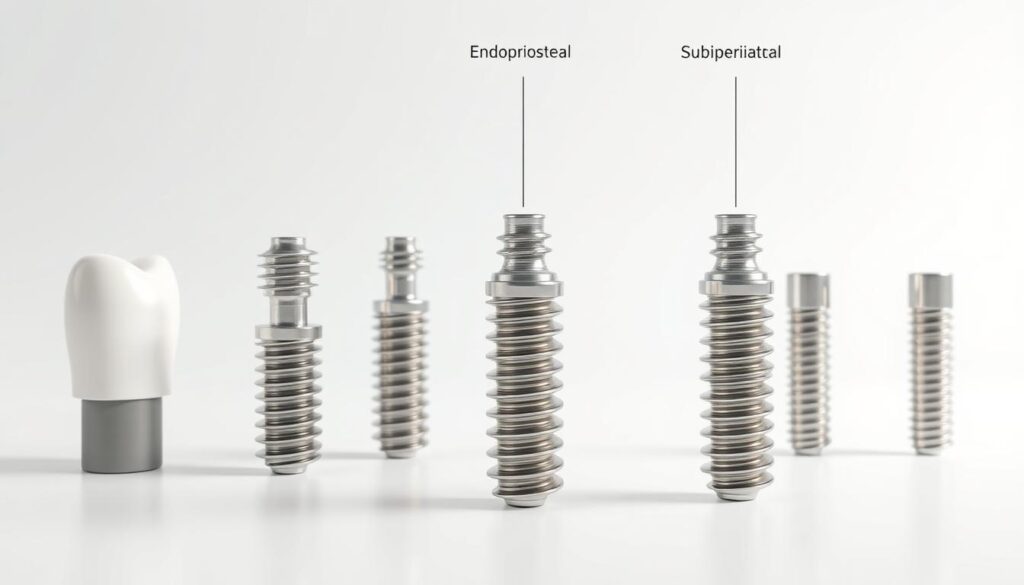
Both implant types are strong solutions for missing teeth. Which one to choose mainly depends on the health of the patient’s jawbone and their specific needs. It’s very important for people thinking about implants to see a dental expert. This way, they can figure out which implant will work best for them.
Candidates for Dental Implants

Finding the right people for dental implants is key to great results. Dental implants are a lasting fix for lost teeth. But, they’re not right for everyone. Before going ahead, it’s important to look at several factors.
For dental implant surgery, being healthy overall, especially your oral health, is important. You need enough jawbone to hold the implant. Plus, having healthy gums helps the success of the implant. You shouldn’t have any health issues that slow down bone healing, like diabetes or heart disease that’s not under control.
-
- Who is an Ideal Candidate?
Those perfect for dental implants want to replace missing teeth with something that lasts. They need enough bone in their jaw, checked with special scans. They must not be prone to infections that could interfere with healing. Besides, they should be ready to go through the whole treatment process. This includes the surgery and the time it takes to heal.
- Factors Affecting Candidacy
- Jawbone density—vital for the support of the implant
- Gum health—important to prevent post-operative infections
- Non-smokers—or those who are willing to quit, as smoking can affect the healing process negatively
- Commitment to good oral hygiene and regular dental visits—critical for the long-term success of dental implants
Knowing these factors helps patients and dentists figure out if dental implants are the best choice for someone’s dental needs.
The Lifespan of Dental Implants
Dental implants are known for their durability and ability to last a long time. It’s important for both patients and dental professionals to understand the lifespan of dental implants, their longevity, and what makes them successful.
Dental implants can last a lifetime with proper care. They are made of titanium and ceramic, which the body accepts well. These materials help the implants bond with the bone, a process called osseointegration, essential for their longevity.
Good oral hygiene is key to the lifespan of dental implants. Brushing and flossing regularly help prevent diseases around the implant. Also, seeing your dentist regularly helps catch and fix any issues early.
What you do every day can also impact dental implant success rate. Smoking, for example, can shorten an implant’s life. Also, unmanaged diabetes can stop the bone from bonding with the implant properly, affecting the lifespan of dental implants.

By combining skilled surgery, careful patient care, and regular check-ups, you can keep your dental implants in top shape. This approach makes dental implants a trusted choice in today’s dentistry.
Care and Maintenance of Dental Implants
For dental implants to last long and stay healthy, a good dental implant care and maintenance routine is key. It includes everyday cleaning meant just for implants, plus regular dentist visits to check on them.
Daily Oral Hygiene Practices
Keeping up with daily cleaning is vital for dental implant success. It helps avoid infections and keeps your mouth healthy. Here are some tips:
- Brush twice a day using a soft toothbrush to protect the implant.
- Choose a gentle toothpaste so you don’t harm your implants while brushing.
- Floss every day with a non-waxed floss to get rid of plaque and bits of food.
- Use a mouthwash that fights germs to lower infection and swelling risks.
Regular Dental Check-ups
It’s very important to go for dental check-ups regularly to keep implants in good shape. These visits let experts check if your implants are doing well and fix small problems early:
- They check the health of your gums and bones around the implant.
- Experts clean your implants professionally to remove hard buildup.
- They might adjust the parts of your implant to make sure it works right.

Following these steps will help keep your dental implants working great and your mouth healthy. Talking to your dentist often is a big part of keeping implants in tip-top shape.
Cost Factors of Dental Implants
When looking into dental implants, the cost is a big factor to think about. Prices can change a lot. This depends on how many implants you need, how complex your case is, and if you need extra procedures like bone grafting.
Breakdown of Implant Costs
The basic price of a dental implant usually includes the implant itself, the abutment, and the crown. Still, many require more treatments, raising the total cost. After checking your oral health, a dentist can give you a detailed cost.
Insurance Coverage and Financing Options
Insurance for dental implants varies with each provider. Some may help pay for it, but often, implants are seen as elective, so coverage might be limited. To help, many dental offices offer ways to pay over time with monthly plans.
- Checking your insurance for implant coverage
- Looking at loans and payment plans for dental work

Comparing Dental Implants with Other Tooth Replacement Options
When looking at ways to replace missing teeth, we often compare dental implants to bridges. We also look at dental crowns and dentures closely. Each choice has benefits and things to think about. Here’s why many people pick dental implants over the others.
Dental Crowns
Dental crowns help protect and make a damaged tooth look better. But for replacing a tooth, they need the tooth’s remains to hold them up. This is different from dental implants. Implants don’t rely on other teeth, which helps keep all teeth healthier and avoids extra pressure on the teeth next door.
Bridges and Dentures
Bridges fill the gap left by missing teeth and attach to teeth next to the gap or to implants. Dentures can replace a few teeth or all of them and can be taken out. Both options work well but have limits compared to dental implants. Implants are more stable, avoiding the slipping and discomfort when talking or eating that dentures may cause.
What’s more, dental implants help keep the jawbone strong, a benefit dentures don’t offer. Without this support, denture wearers can lose bone over time. This changes the shape of their face and harms oral health.
Implants also don’t get cavities and don’t need root canals, unlike crowns and bridges. This fact makes implants a better option for keeping your mouth healthy over time.
Looking at these differences helps people choose the best solution for their health and way of life. This choice can make a big difference in keeping their mouth healthy for years.
Risks and Complications of Dental Implants
The success rate for getting dental implants is really high. However, it’s very important to know about the risks of dental implant surgery and potential complications of dental implants. Patients and doctors both need to understand these risks. They should be aware of immediate issues that can happen during surgery. They also need to think about long-term dental implant issues that might pop up later.
- Infection at the implant site
- Injury or damage to surrounding tissues and nerves
- Improper implant placement
- Possible sinus complications when upper jaw implants encroach into sinus cavities
Long-term Complications
- Mechanical failures such as loosening of the implant
- Peri-implantitis, which is inflammation of the tissue around the implant
- Issues with osseointegration, where the bone fails to integrate properly with the implant surface
Insights into Prevention and Management
To lower these risks, thorough checks before surgery are critical. Using the best surgical methods and taking great care after surgery helps a lot. Keeping up with new research and tech in dental implants makes things better too. These steps can improve patient results and lessen the chance of having problems.
Innovations in Dental Implant Technology
Dental implant technology is moving fast, bringing new dental implant innovations to patient care. These advances in dental implant technology aim to make treatments better and easier to get.
Recent developments in biomaterials and procedural techniques underscore a significant leap towards more reliable and functional dental implants.
These updates are not only making results better. They also show us the exciting future of dental implants.
Advances in Materials and Techniques
Now, materials like titanium and zirconium are key in making dental implants. They help the implants last longer and bond better with bone. Also, new computer tools help make implants that fit each person perfectly.
The Future of Dental Implants
Soon, AI and machine learning could change how doctors plan and do surgeries. These tools might make dental implants work even better.
Below is a table showing the latest breakthroughs and what might come next in dental implant technology:
| Current Advances | Future Potential |
|---|---|
| Use of 3D printing for creating precise implant structures | AI-driven customization of implants for enhanced compatibility |
| Development of bioactive materials to speed up healing | Biodegradable implants that naturally integrate without the need for removal |
| Robotic-assisted surgery for perfect placement | Full automation in dental implant surgeries with real-time adjustment capabilities |
The Role of Technology in Implant Success
Technology is key to making dental implants work better. It makes the processes easier and leads to more successful implants.
One big leap is the use of 3D imaging for dental implants. This lets dental experts see the jaw in 3D to plan surgery better. It helps them figure out the best spot for the implant, which is super important.
The use of 3D printing in dental implantology is also changing things. It lets dentists make customized implants that fit perfectly. This makes the implants more comfortable and work better.
These technologies make surgeries go smoother, lower risk of problems, and help patients recover faster. With ongoing tech advancements, dental implant treatments are getting less scary and more friendly for patients.
Patient Testimonials and Success Stories
Dental implants have changed how people live after losing teeth. Quality of life improvements stand out as major benefits from this procedure. Let’s explore real stories about the huge impact dental implants have on everyday life.
Dental implant success stories show big changes in how teeth look and work. Patient testimonials for dental implants often talk about gaining confidence and feeling comfortable. This change improves how they act in personal and work settings. Being able to smile freely and eat different foods is a big deal.
Patient testimonials for dental implants always thank the skilled dentists and the advanced technology behind their new smiles.
- Increased self-esteem and confidence
- Improvement in speech clarity
- Ease in eating and enjoying a variety of foods
Patients share more than just the functional gains. They talk about emotional and social benefits too. The proof is clear: people are really happy with their dental implants. This shows just how valuable these implants are for their overall happiness and quality of life improvements.
Questions to Ask Your Dentist About Implants
Getting dental implants is a big step that needs careful thought and discussion. It’s crucial to ask dental implant questions when you’re consulting a dental professional. These questions will help you understand the process better. They also set clear expectations about the procedure and what to expect after.
Before the Procedure
- What are the qualifications and experience of the dentist in performing dental implant surgery?
- Can you provide any before-and-after photos of previous dental implant cases?
- What specific type of implant and technique is recommended for my case?
- What are the potential risks and how common are they?
- What should I expect during the recovery process?
After the Procedure
- What is the best way to maintain and care for my implants?
- How often should I schedule follow-up visits?
- Are there any specific signs of complications that I should watch out for?
- What is the average lifespan of the type of implant being used?
| Question Category | Example Questions |
|---|---|
| Pre-Procedure | What type of anesthesia will be used? How should I prepare on the day of surgery? |
| Post-Procedure | What are the dietary recommendations post-surgery? How soon can I return to normal activities? |
Knowing what to expect before and after getting dental implants is key to their success and long life. Always consult with your dentist on how to take care of your implants after the procedure. This ensures your dental health is at its best.
Conclusion: The Importance of Dental Implants in Dentistry
Dental implants play a crucial role in restorative dentistry. They lead the fight against tooth loss. Not only do they look good, but they also keep your mouth healthy. They ensure your jawbone remains strong and improve your overall health.
Dental implants mimic real teeth in function and look, blending in with your natural teeth. This key feature makes them essential in dentistry.
Summary of Benefits
Dental implants offer many benefits. They improve how you talk and eat, and stop bone loss. They also help maintain a young-looking face and give you a real-feeling smile. This boosts your confidence.
These benefits highlight how important dental implants are for patients and dentists alike.
Encouragement to Consult a Dental Professional
Thinking about getting dental implants? It’s vital to talk to a dentist first. They can tell if implants are right for you. During your visit, you’ll learn if this choice fits your oral health needs.
By discussing the benefits and whether it’s fitting for you, make a wise decision about your dental health. A dentist’s knowledge is key for anyone looking to fix tooth loss.